Interim EV storage, USS Hornet safety updates approved
On March 23, the Planning Board advanced several high-profile projects, including approval of the Radium Theatre Performing Arts Center development plan amendment, temporary electric vehicle storage use at Encinal Terminals, and updates to the USS Hornet Museum use permit to address safety concerns.

Radium Theatre Performing Arts Center development plan amendment
Planner Brian McGuire presented a proposed development plan amendment for Blocks 12 and 13 of the Site A project at Alameda Point to allow construction of the Radium Theatre Performing Arts Center, a 35,000 square foot, two-story building with a 550-seat theater, restaurant, rooftop bar, ground-floor uses oriented toward the waterfront, and public plaza on approximately two acres along the Seaplane Lagoon Taxiway. The public plaza would include outdoor performance space, landscaped areas, stormwater management, and a new slow-speed street with drop-off access. The project is part of the broader Waterfront Town Center vision to create a vibrant, mixed-use destination with cultural and visitor-serving uses.
The proposal refined earlier plans by prioritizing key historic view corridors, particularly preserving the visual connection between the Alameda Naval Air Museum and the waterfront. The theater location and plaza design were adjusted accordingly, with the building shifting west from the original design.
The project also includes an interim parking lot and a new roadway to improve circulation. While the amendment establishes the site layout, the final design details will return later for review.
Christopher Seiwald, founder of Radium Presents, stated, “If it happens, it will be a focal point for Alameda Point… it could define all of Alameda once completed.”
Public comment
Public speakers expressed strong support. Radium Board Member Tara Pilbrow highlighted “a desperate need for a facility of this sort in Alameda,” describing the project as not just a functional venue, but “a symbol of the importance of the arts to this city.”
Brent Saldana, an attorney and chair of real estate practice with Farella, Braun, and Martel, framed the project as transformational, with the potential to attract regional audiences, support local businesses, and expand opportunities for youth arts programming: “We’re talking about a project that would offer professional quality performance space accessible to local arts organizations that would act as a hub to attract audiences from outside Alameda to spend their dollars at other local businesses and expands opportunities for Alameda’s youth interested in arts programming,” Saldana said.
Local resident Nick Winkworth highlighted the project’s potential to revitalize Alameda Point, saying, “If you bring the arts to a place, that’s going to bring people… and that will bring revenue… to help maintain the historic buildings.”
Board discussion and vote
Boardmembers similarly expressed strong support, praising the project’s improved design, responsiveness to prior feedback, and thoughtful site planning. Members noted that prior concerns about views, parking, and public space had been addressed and highlighted the project’s potential to serve as a connector within Alameda Point and a catalyst for future development. The Board unanimously approved the development plan amendment (with Boardmembers Hanson Hom and Teresa Ruiz absent), advancing the project to the next stage of review.
Proposed temporary EV storage at Encinal Terminals
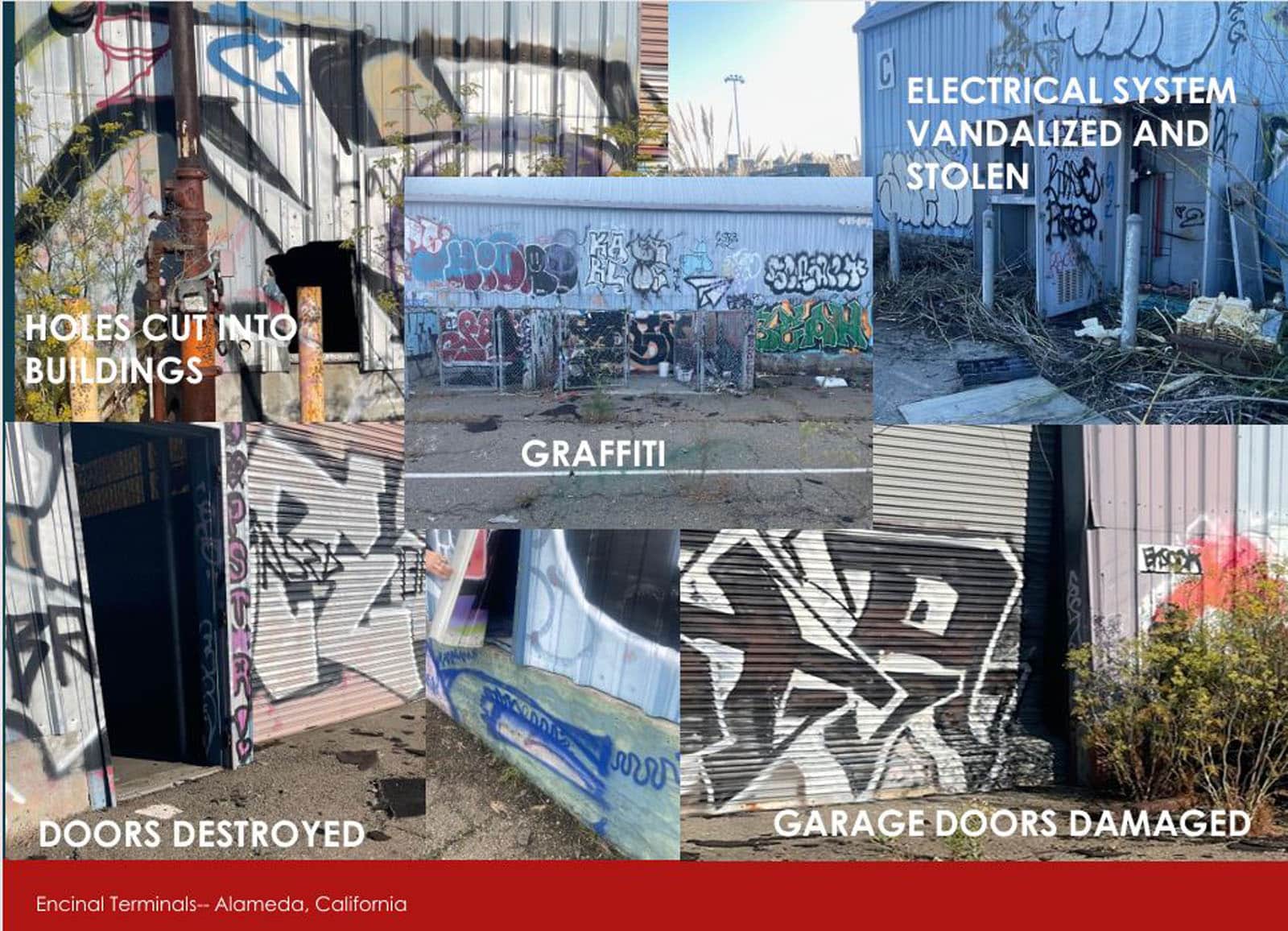
Planning Services Manager Steve Buckley presented a proposal for a two-year interim use permit to allow temporary storage of electric vehicles at 1521 Buena Vista Avenue (Encinal Terminals) while the site awaits redevelopment. The waterfront property is slated for future development by the developer Bayview Landing LP, including roughly 500 market-rate and 80 affordable housing units, along with parks, trails, and sea-level adaptation improvements. The plan, however, has experienced prolonged delays due to poor real estate market conditions. In the meantime, the site has suffered from trespassing, graffiti, vandalism, and safety concerns, which Bayview Landing argues the temporary use would help address by activating and securing the property.
The interim use would involve trucking in electric vehicles for short-term storage before delivery, a use consistent with existing zoning, tidelands trust allowances, and interim uses permitted before full redevelopment. No permanent improvements inconsistent with future development are proposed, ensuring the use will not interfere with the future project.



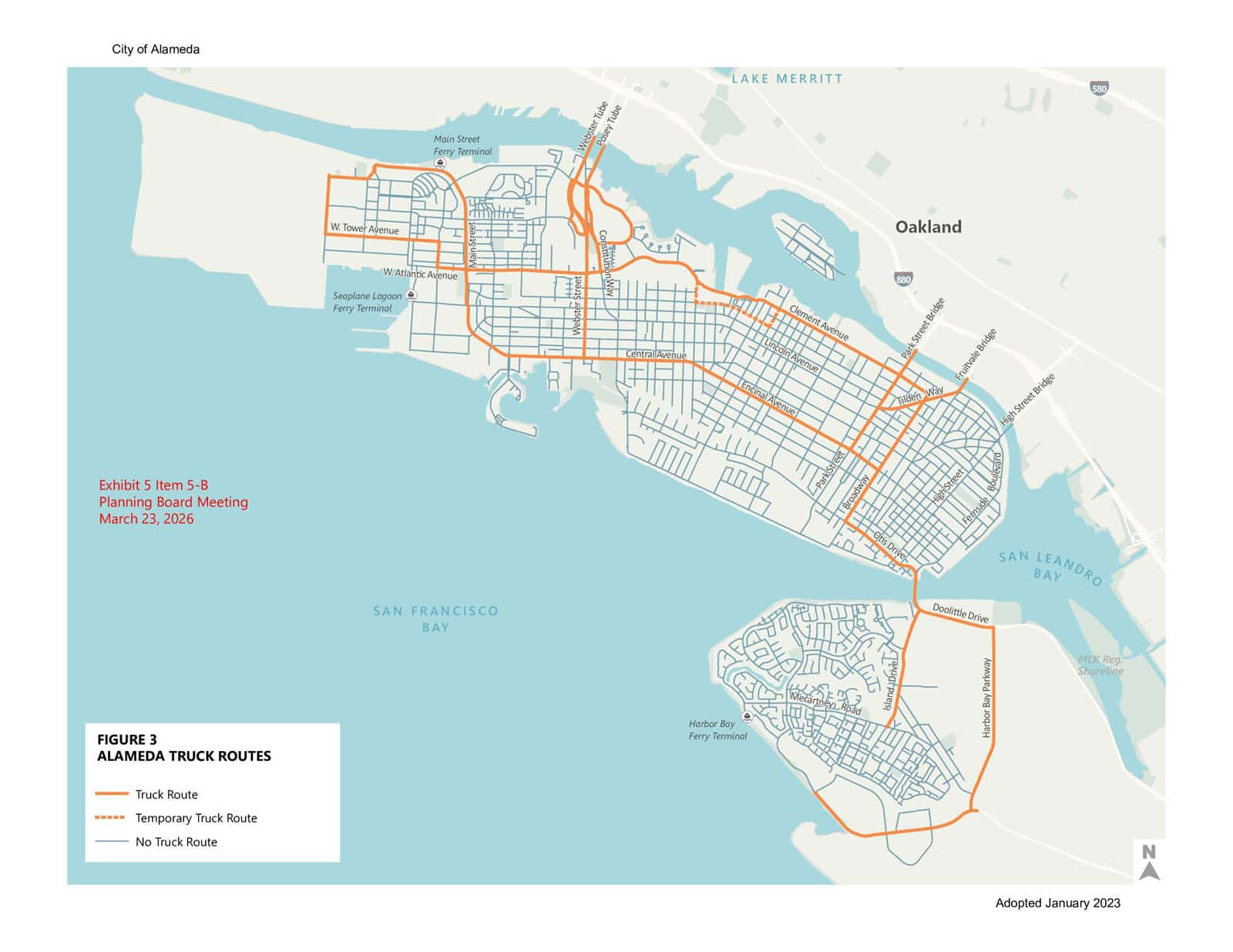
To address neighborhood and transportation concerns, the proposal included conditions limiting truck routes to approved truck corridors, restricting hours of operation to 8 a.m. to 4 p.m., and imposing peak-hour traffic restrictions to reduce congestion—especially during planned Posey Tube construction. Activity would be concentrated on the waterfront side to minimize noise and lighting impacts. The applicant would enhance security by improving fencing, increasing on-site staffing, and demolishing deteriorated structures.
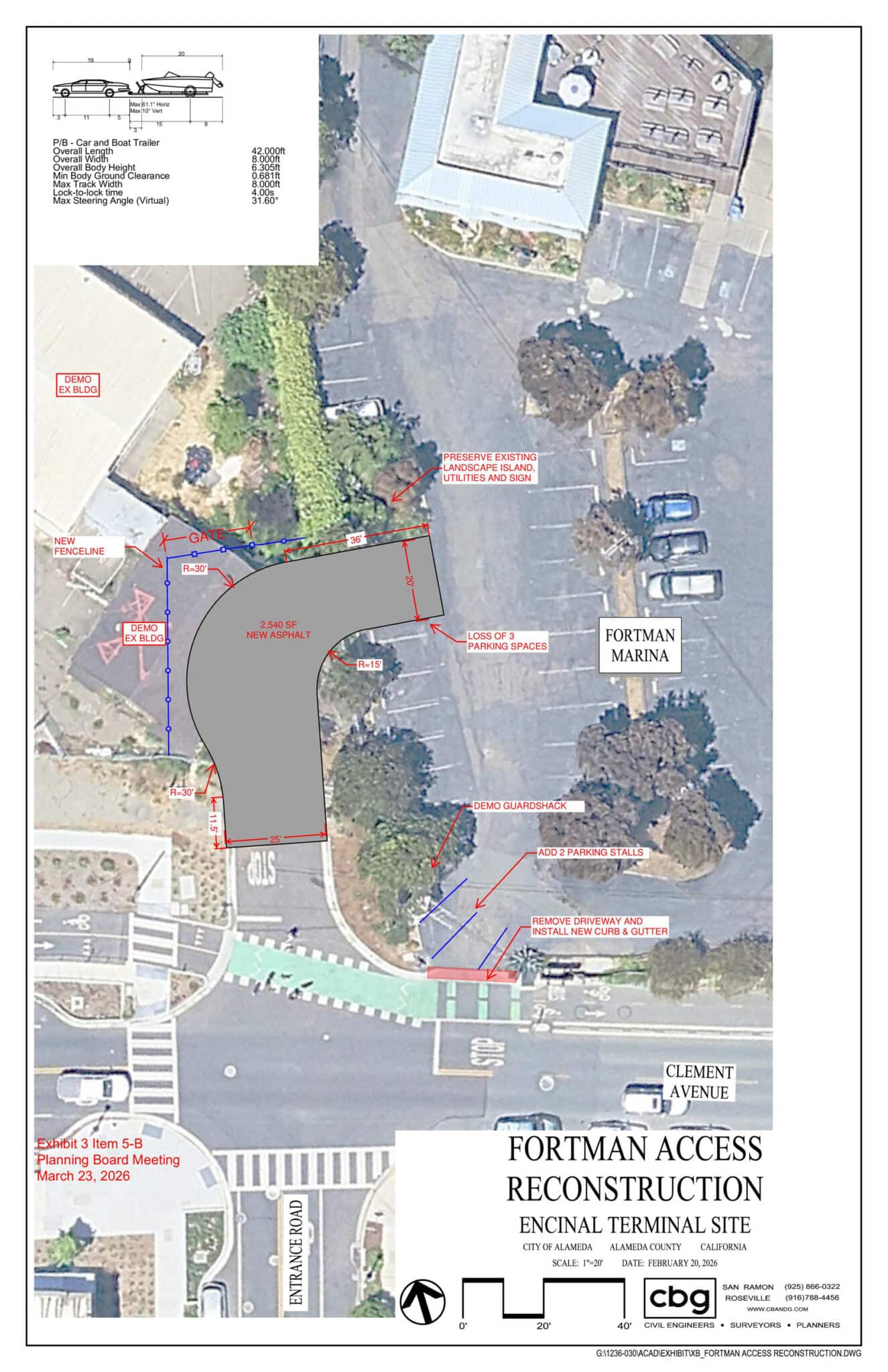
Additional benefits would include reconfiguring a driveway to improve safety along the Cross Alameda Trail. Staff recommended approval, finding the temporary use appropriate and compatible with current conditions and the site’s long-term plans.
Bayview Landing, however, requested several modifications to staff conditions, including expanded delivery hours to 6 p.m., with occasional flexibility, reduced buffer restrictions, allowing some operations before completion of a tidelands lease amendment, and temporary continued use of an existing access point.
Public comment
One speaker warned that introducing truck traffic into a now-residential area would reverse the neighborhood’s past progress toward becoming pedestrian-friendly, saying, “Making the inside of Encinal Terminals safer by having something there is not enough to counteract making it more dangerous by sending tractor-trailers up Entrance Road.”
Cyndi Johnson of Bike Walk Alameda also highlighted pedestrian risks, noting that planned changes could force people onto unsafe routes, and urged “dedicated space” for walking and biking to avoid worsening circulation.
Another speaker raised concerns about site conditions and fire safety, emphasizing the need to address “the real fire risk of up to 1,000… electric vehicles” and to ensure the full demolition of blighted buildings.
Board comment and decision
Ultimately, the Board:
- Kept operating hours strict. The Board kept staff’s stricter hours (8 a.m. to 4 p.m.) despite the applicant’s request to extend to 6 p.m. However, they allowed that extra trips may be permitted with the Planning Director’s approval under extenuating circumstances.
- Strengthened access and circulation conditions. The Board clarified that the new driveway and access changes must go through the Public Works permit process, with plans that address truck circulation, gates, internal layout, and pedestrian and bicycle safety.
- Emphasized pedestrian and bike safety measures. While not prescribing a single design, the Board directed staff to consider striping, crosswalks, or rolled curbs and separation between truck routes and pedestrian paths to ensure pedestrians are not forced to share space with trucks.
- Clarified fire safety. The Board confirmed that the project must comply with the applicable fire and building codes for this type of use.
- Reduced the buffer requirement. The Board reduced the original 200-foot visual and noise buffer along Clement Avenue to 50 feet to allow more usable space within the site.
- Clarified phasing and tidelands use. The Board agreed that the site can be used in phases, rather than requiring the entire property to be approved before any activity begins. Activity is restricted on tidelands portions until a lease amendment is approved, but non-tidelands areas can be used earlier, allowing faster site activation.
- Added ramp-up flexibility. The permit already allowed a four-week ramp-up period. The Board added flexibility for a second, shorter ramp-up period if different parts of the site (like tidelands areas) become available at different times.
- Clarified project timing. The Board clarified that the interim use remains tied to the larger development timeline; the operation must ramp down before redevelopment begins.
USS Hornet permit amendments
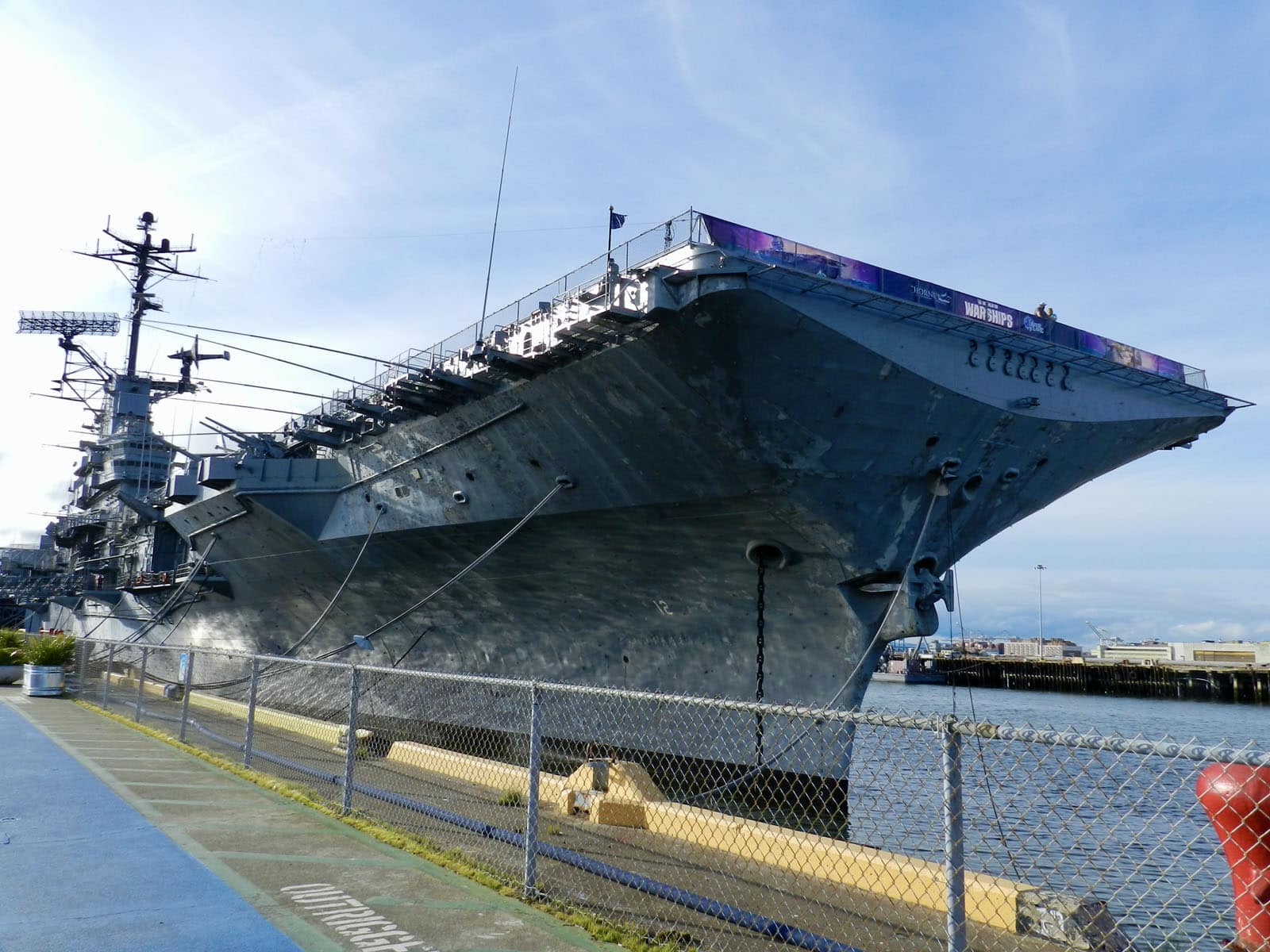
City Planner Brian McGuire outlined proposed amendments to the USS Hornet Museum’s use permit at Alameda Point following public safety concerns raised during recent large events. The museum, operating since the late 1990s, relies heavily on special events—such as concerts, overnight programs, and private gatherings—for revenue, given limited tourist foot traffic.
A public safety review identified issues with crowd control, evacuation capacity, and a lack of accountability for third-party event vendors. Consequently, the proposed amendments establish a maximum occupancy of 660 people, with the possibility of exceeding that limit only through special event permits. Additional updates include requiring annual safety inspections, setting stricter operational rules for overnight stays, eliminating fireworks displays, and lowering the threshold for when special event permits are required—especially for higher-risk events involving alcohol or large crowds. The amendment allows for up to six helicopter landings per year, subject to regulatory approvals.
The Planning Board unanimously approved the proposed amendments.
Contributing writer Karin K. Jensen covers boards and commissions for the Alameda Post. Contact her via [email protected]. Her writing is collected at https://linktr.ee/karinkjensen and https://alamedapost.com/Karin-K-Jensen.

