Reports have been circulating recently in Alameda about people going door-to-door claiming to be service providers who just completed work for your neighbor and want to offer you a discount price because they’re already in the neighborhood. These offers are often not legitimate; instead, they can be scammers looking to take your money. Trust your instincts if something seems off.
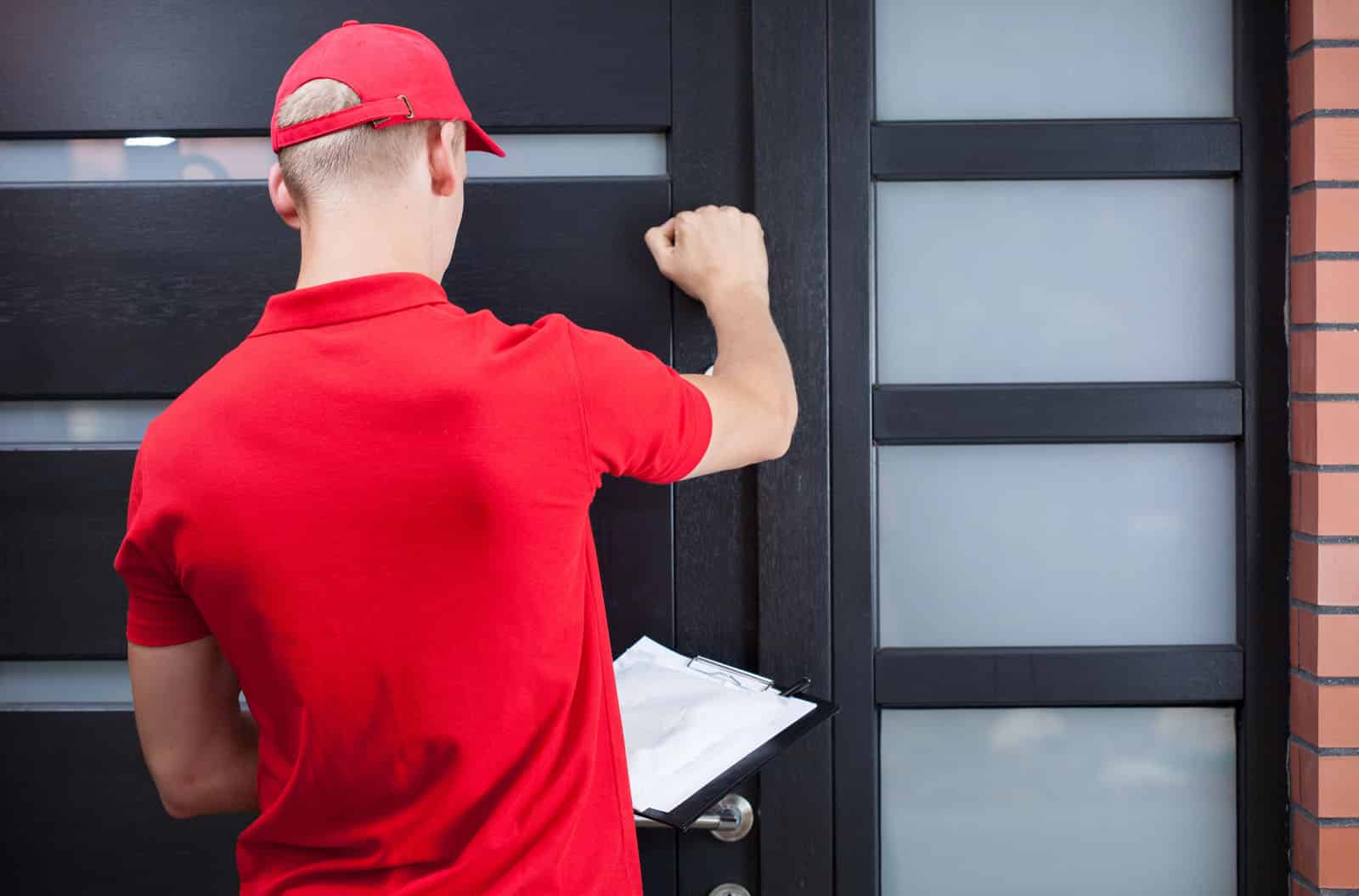
There are many red flags that can help you to identify scammers:
- They’re not wearing company-branded clothing.
- They won’t provide identification or contact information.
- They tell you about a problem with your home that you were not aware of.
- They insist you sign a contract.
- They pressure you to act immediately.
- They ask for immediate payment.
- They ask for cash, gift cards, wire transfer, or cryptocurrency.
And there are steps you can take to protect yourself:
- You don’t have to answer the door for someone you don’t recognize.
- Ask for and check their ID.
- Do not let them in your home.
- Ask for company contact information and say you’ll follow up with them directly later.
- Look up the company information and see if it matches; report them if it doesn’t.
- Don’t agree to any financial transactions on the spot.
- Don’t provide any personal information.
- Don’t let yourself be pressured into doing what they say.
- Get all offers in written form.
- Don’t sign any paperwork.
- If you have a home surveillance camera, let them know they’re being recorded.
- Ask your neighbors if they have done business with the company and if they are legitimate.
- Close the door and end the conversation if you suspect fraud.
The Federal Trade Commission (FTC) has a “Cooling-Off Rule” for all door-to-door sales of more than $25 that allows you a three-day period to cancel certain sales. Salespeople must inform you of this right to cancel. Obviously, this can’t be enforced against scammers but gives you the right to change your mind after making a purchase from someone who comes to your door legitimately.
If you suspect you have been contacted or defrauded by a scammer:
- Contact the Alameda Police Department via their non-emergency line, 510-337-8340.
- File a report with the California State Attorney General’s Consumer Protection agency.
- File a report with the FTC at ReportFraud.ftc.gov.
If you were defrauded by a door-to-door scammer and made a payment to them, your money may already be gone. However, the FTC has suggestions to try to get back what you paid:
- Did you pay with a credit card or debit card?
Contact the company or bank that issued the credit card or debit card. Tell them it was a fraudulent charge. Ask them to reverse the transaction and give you your money back. - Did a scammer make an unauthorized transfer from your bank account?
Contact your bank and tell them it was an unauthorized debit or withdrawal. Ask them to reverse the transaction and give you your money back. - Did you pay with a gift card?
Contact the company that issued the gift card. Tell them it was used in a scam and ask them to refund your money. Keep the gift card itself, and the gift card receipt. - Did you send a wire transfer through a company like Western Union or MoneyGram?
Contact the wire transfer company. Tell them it was a fraudulent transfer. Ask them to reverse the wire transfer and give you your money back.- MoneyGram at 800-926-9400.
- Western Union at 800-448-1492.
- Ria (non-Walmart transfers) at 877-443-1399.
- Ria (Walmart2Walmart and Walmart2World transfers) at 855-355-2144.
- Did you send a wire transfer through your bank?
Contact your bank and report the fraudulent transfer. Ask them to reverse the wire transfer and give you your money back. - Did you send money through a money transfer app?
Report the fraudulent transaction to the company behind the money transfer app and ask them to reverse the payment. If you linked the app to a credit card or debit card, report the fraud to your credit card company or bank. Ask them to reverse the charge. - Did you pay with cryptocurrency?
Cryptocurrency payments typically are not reversible. Once you pay with cryptocurrency, you can only get your money back if the person you paid sends it back. But contact the company you used to send the money and tell them it was a fraudulent transaction. Ask them to reverse the transaction, if possible.

