On April 13, the Planning Board advanced updates to the City’s Inclusionary Housing Ordinance, which requires private residential developments to include a share of below-market-rate units or provide equivalent alternatives, seeking to balance affordability goals with the financial realities of building housing in a constrained market.
Proposed updates
Planning Services Manager Steve Buckley noted that proposed updates to Alameda’s Inclusionary Housing Ordinance build on the City’s Housing Element, which identifies inclusionary housing as a key strategy for meeting Alameda’s Regional Housing Needs Allocation. The proposal recommends maintaining a 15% affordability requirement for new residential development but targeting low-income units for rental projects and moderate-income units for ownership housing. Adopting these thresholds would position Alameda to compete for significant future funding from regional agencies.
Recognizing the complexity of housing finance, the proposal emphasizes flexibility. Developers could meet requirements through a variety of approaches—providing units on-site, offering a mix of affordability levels, paying in-lieu fees (payments made by developers instead of building units on-site), dedicating land, or constructing off-site affordable housing. Any alternative must demonstrate “equivalent value,” ensuring that the City receives a comparable affordability benefit.
Buckley also highlighted the importance of development feasibility, noting that current economic conditions make many projects difficult to finance. The City’s consultant found that few developments are “penciling” today, so overly aggressive requirements could further constrain housing production. To address this, the proposal allows developers to submit alternative compliance scenarios supported by financial analysis. Projects already entitled or in the pipeline would continue under existing rules to avoid disrupting previously approved plans.
The ordinance update incorporates state density bonus law, allowing developers to build additional units in exchange for providing affordable housing. Buckley noted that the proposed options are structured to help projects qualify for these bonuses, improving overall feasibility. The plan also encourages clustered or off-site development in high-resource areas, with Planning Board oversight.
Additional updates include extending affordability covenants from 59 to 99 years and preparing for emerging categories such as extremely low-income households.
Public comment
Public comment was supportive. Thushan Amarasiriwardena highlighted the scale of the housing gap—only 65 units permitted last year toward a 5,353-unit target—and argued that high construction costs and reliance on private capital require policies that allow projects to “pencil.” He pointed to early signs that revised requirements are helping stalled projects move forward and urged the City to consider reducing or deferring fees, citing examples such as San Jose, where lower fees spurred development.
Related Articles
 Council Approves Updates to Inclusionary Housing Ordinance to Boost Affordable Housing
 Council Takes Up Inclusionary Housing Reform and $1B Infrastructure Challenge
 Amid Market Challenges, Planning Board Endorsed a Flexible Inclusionary Housing Ordinance Update
 Planning Board Aims to Ease Housing Affordability with Update to Inclusionary Ordinance
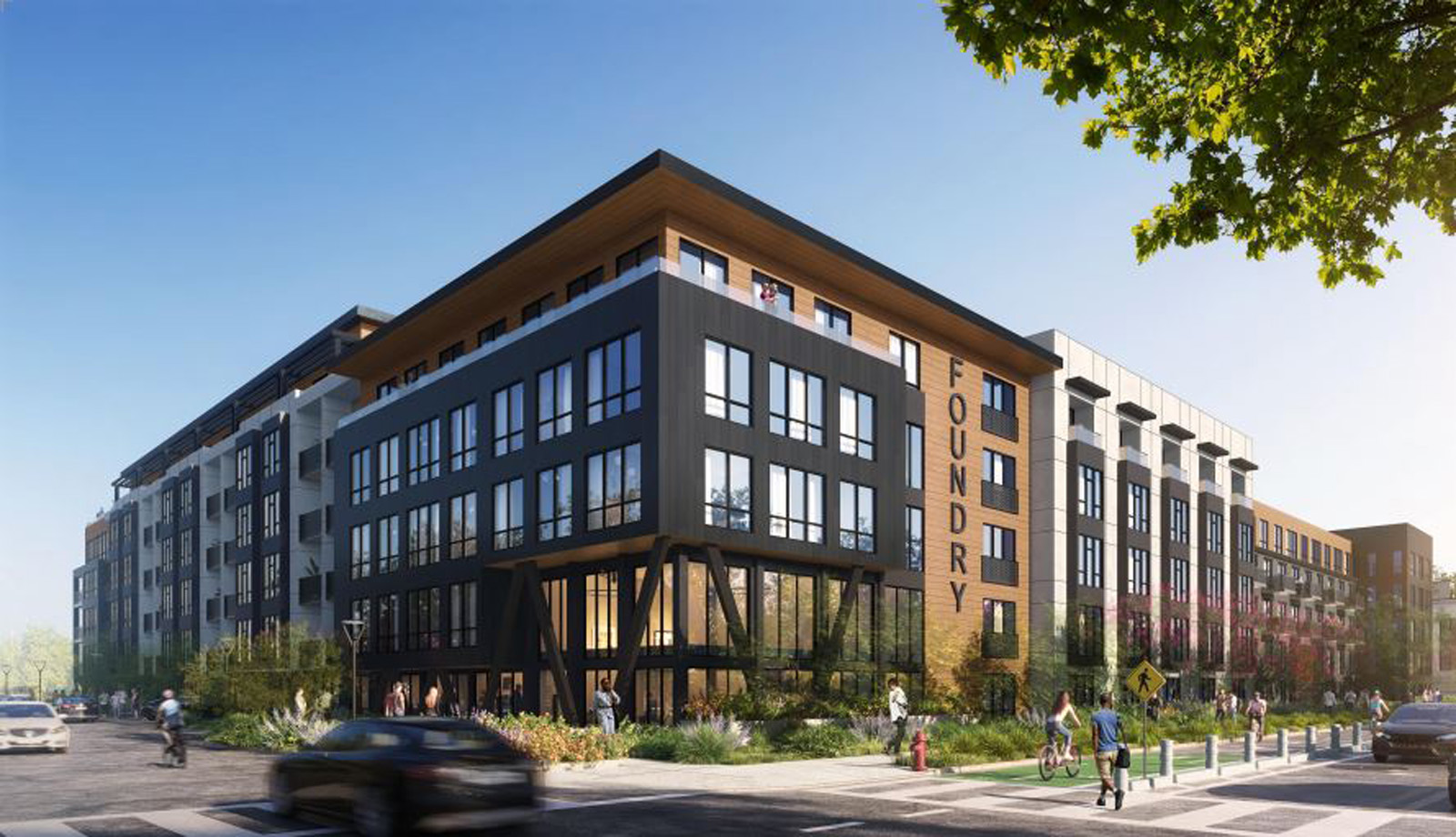
Sean Murphy of Pacific Development Group strongly supported the proposal, describing it as essential to making projects financially viable. He cited the Alameda Marina and Foundry projects—encompassing 801 housing units, including a mix of for-sale townhomes and rental apartments—is now approaching its final phase with the Foundry, a 260-unit residential apartment project “shovel ready,” pending City Council approval of proposed compliance options. He described flexibility in compliance options as critical, given varying site constraints
Murphy also discussed practical challenges with moderate-income units, noting that some units at 120% of the area median income sat vacant for a protracted period of time because rents exceeded market levels. Ultimately, Pacific Development reduced rents on those units by roughly 35% and offered incentives to attract tenants. Based on this experience, Murphy urged the City to allow modifications to existing agreements to prevent long-term vacancies.
Letters from affordable housing advocates Eden Housing and East Bay Housing Organizations (EBHO) both supported the ordinance with particular support for in-lieu fees as an effective capital resource for affordable housing.
Board comment and vote
Following Board discussion, Boardmember Andy Wang introduced a motion to approve the Inclusionary Housing Ordinance with several targeted amendments recommended by the Board to improve clarity, feasibility, and policy effectiveness.
The motion included five key amendments:
- Expand small-project exemption.
Wang proposed including a recommendation by Board President Xiomara Cisneros to raise the exemption threshold from five units to 11 units or fewer, encouraging smaller “missing middle” housing projects. - Clarify cluster development criteria.
He called for clearer standards governing clustered/off-site affordable housing proposals, recommending that such projects be approvable if they satisfy at least one of the listed findings, rather than requiring both criteria. Listed findings include that: (1.) the off-site units support the equitable distribution of affordable housing because the units will be located where there is a shortage of affordable housing and lower household incomes compared to the project area, and (2.) the off-site units will be located in transit-rich, high-opportunity neighborhoods that provide integrated access to jobs, transit, schools, and services to advance geographic equity. - Address moderate-income unit vacancies.
Recognizing ongoing issues with vacant moderate-income units, Wang proposed an administrative fix within six months to allow adjustments in existing developments, ensuring units do not remain unoccupied due to pricing or market mismatches. - Establish an in-lieu fee framework.
He recommended that the City adopt an in-lieu fee option within 12 months or less for projects of 12 units or larger, expanding flexibility and enabling the City to leverage funding for affordable housing development. - Improve ordinance clarity and implementation.
The motion also called for technical refinements, such as providing specific guidance on expedited processing timelines, rather than leaving the term undefined.
The motion was seconded and approved. Once redrafted, the proposal will advance to City Council for final consideration and approval.
Contributing writer Karin K. Jensen covers boards and commissions for the Alameda Post. Contact her via [email protected]. Her writing is collected at https://linktr.ee/karinkjensen and https://alamedapost.com/Karin-K-Jensen.

