Beyond the reef of the fictional island of Motunui to the island city of Alameda, the premiere of Disney’s live-action Moana transformed the historic Alameda Theatre into a gathering place that went beyond the opening of a highly anticipated film. It became a celebration of Polynesian culture, community, and legacy, turning a night at the movies into a cultural event.
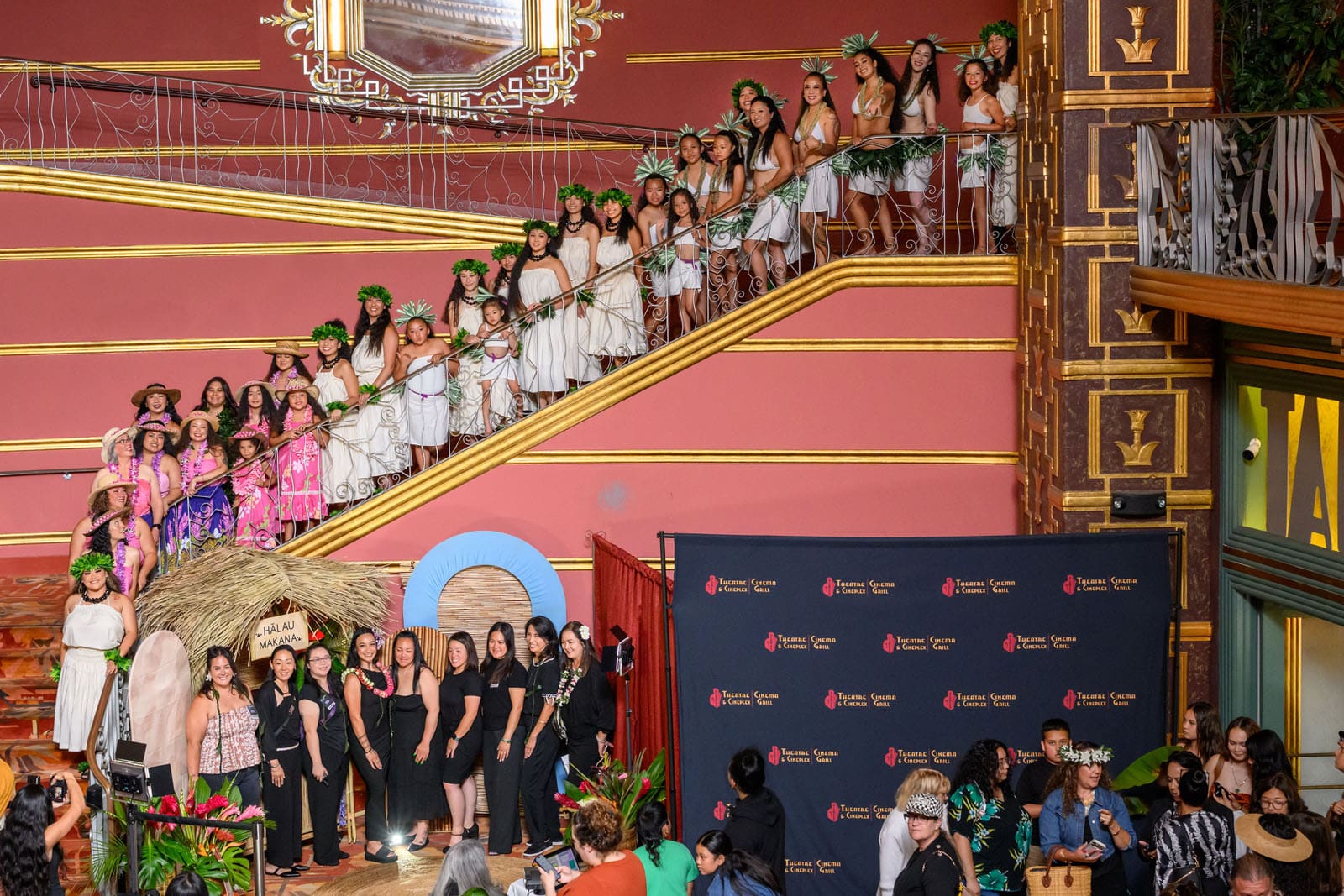
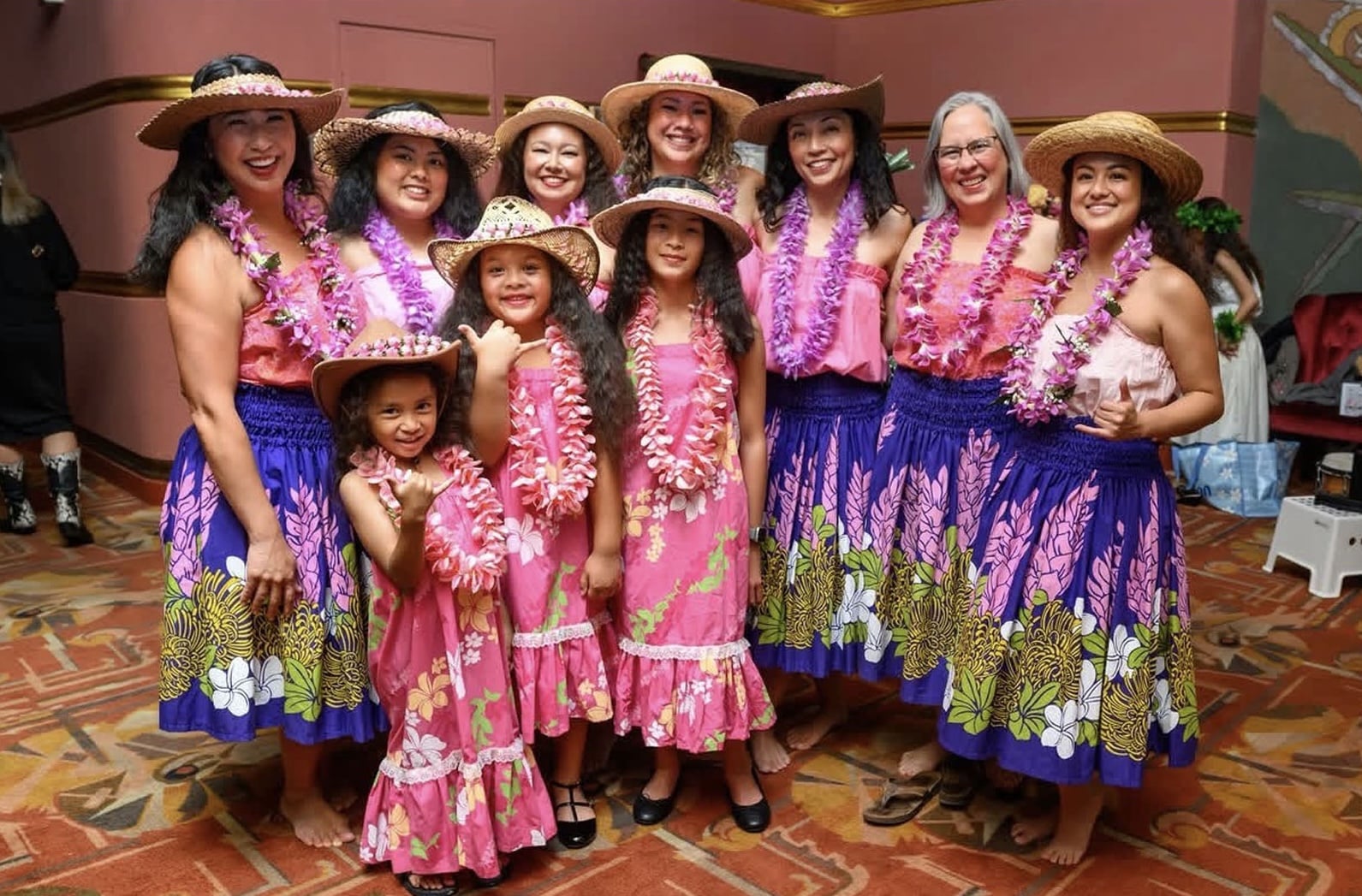
Before the film began, moviegoers enjoyed interactive lobby activities, followed by a live performance by dancers from Hālau Makana, Alameda’s only Polynesian Cultural Arts Center. Founded in 1998 by the late Kumu Hula Lani Cid-Iulio, the hālau has become a cornerstone of Polynesian culture in Alameda. Today, its performances continue to reflect the hula lineage, traditions, and values established by its founder.
Following the performance, audience members were treated to a question-and-answer session with Jade Makana Iulio, Kumu Lani’s daughter and Executive Director of Hālau Makana. She is an international award-winning Polynesian dancer, cultural practitioner, teacher, and community leader and is featured in the cast of Moana as a principal village dancer.
The sold-out audience of over 600 people included generations of Hālau Makanaʻohana, members of the wider Pacific Islander community, Disney fans, local families, and curious moviegoers who wandered into the lobby to find themselves in the middle of something unexpected—a joyful community celebrating one of its own with pride.
Alameda Theatre’s General Manager, Dakota Casteel, acknowledged that this Moana premiere was unique. He expressed appreciation for the collaboration with Hālau Makana and said he looks forward to more events such as this, not just with this group, but with others as well.
“This was what movie theaters were meant to do,” Casteel said. “Engage with a large community of people.”
The sound of the traditional Polynesian pahu drums called the audience to the start of the live performance. Before the first dancer had even set foot on the stage, enthusiastic cries of “Chee Hoo” rang out across the historic theater. The energetic cheers—widely heard throughout the Hawaiian and South Pacific islands—were heard loudly and repeatedly throughout the evening, especially between dances and each time Makana appeared on screen.


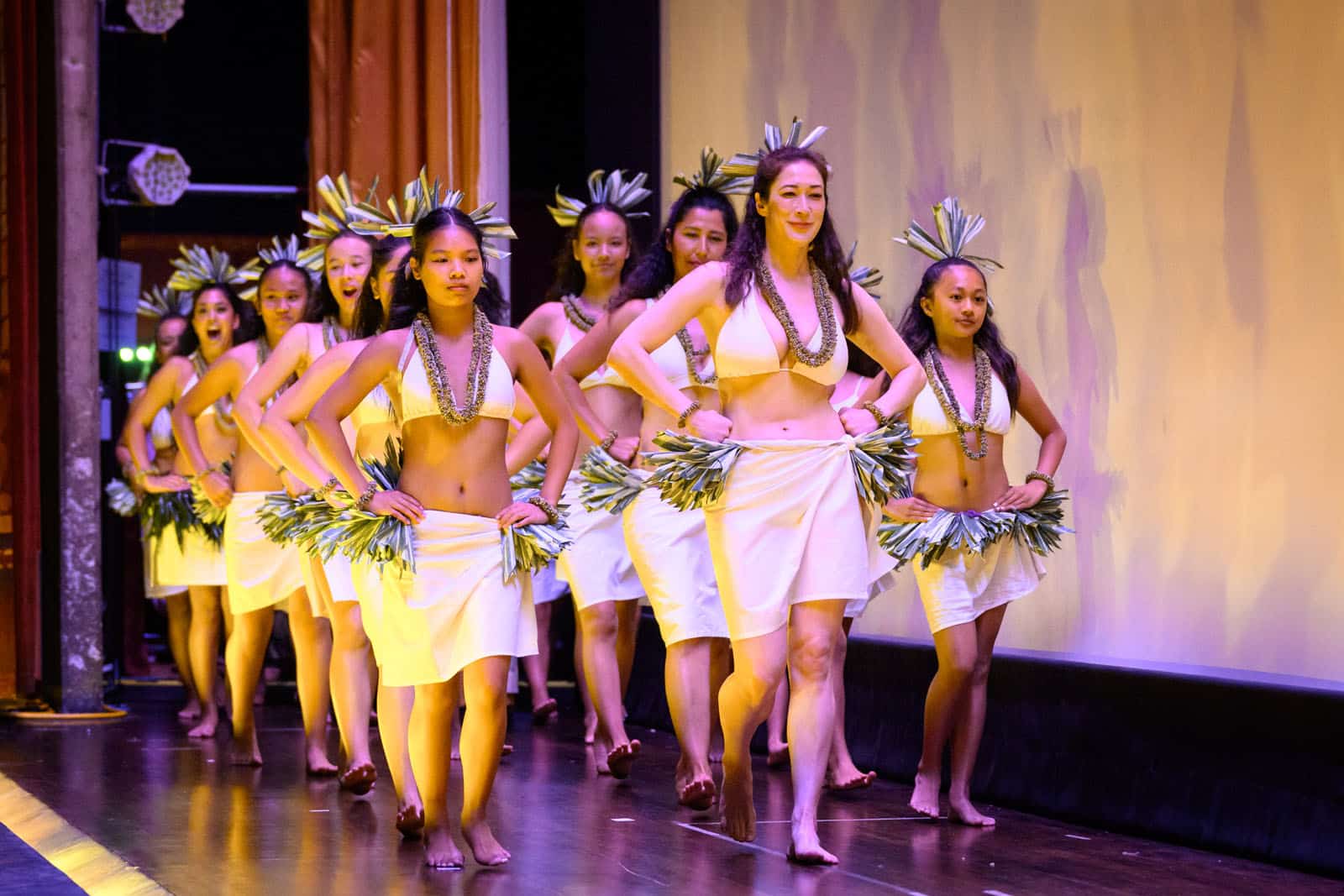
Dancers came on to the stage reciting an oli, Kūnihi Ka Mauna, a traditional chant requesting permission to enter, and receiving a corresponding responsorial oli from Makana granting entry. The program continued with a hula kahiko (ancient hula), hula auana (modern hula) and dances of Tahiti, notably a Mehura and ‘Ori Tahiti which brought the house down. Performers represented multiple generations of haumana (students) with keiki (young children) performing alongside those who have been with the hālau for years
The final dance of the live program was a special solo performance by Makana, a deeply moving personal tribute to her mother. As the audience sat in silent reflection, she danced to Kumu Lani’s choreography of Mele Ohana, a song about the enduring bonds of family. Across the stage, an empty chair draped with a lei stood as a silent reminder of Kumu Lani’s legacy, which continues to guide Hālau Makana today.
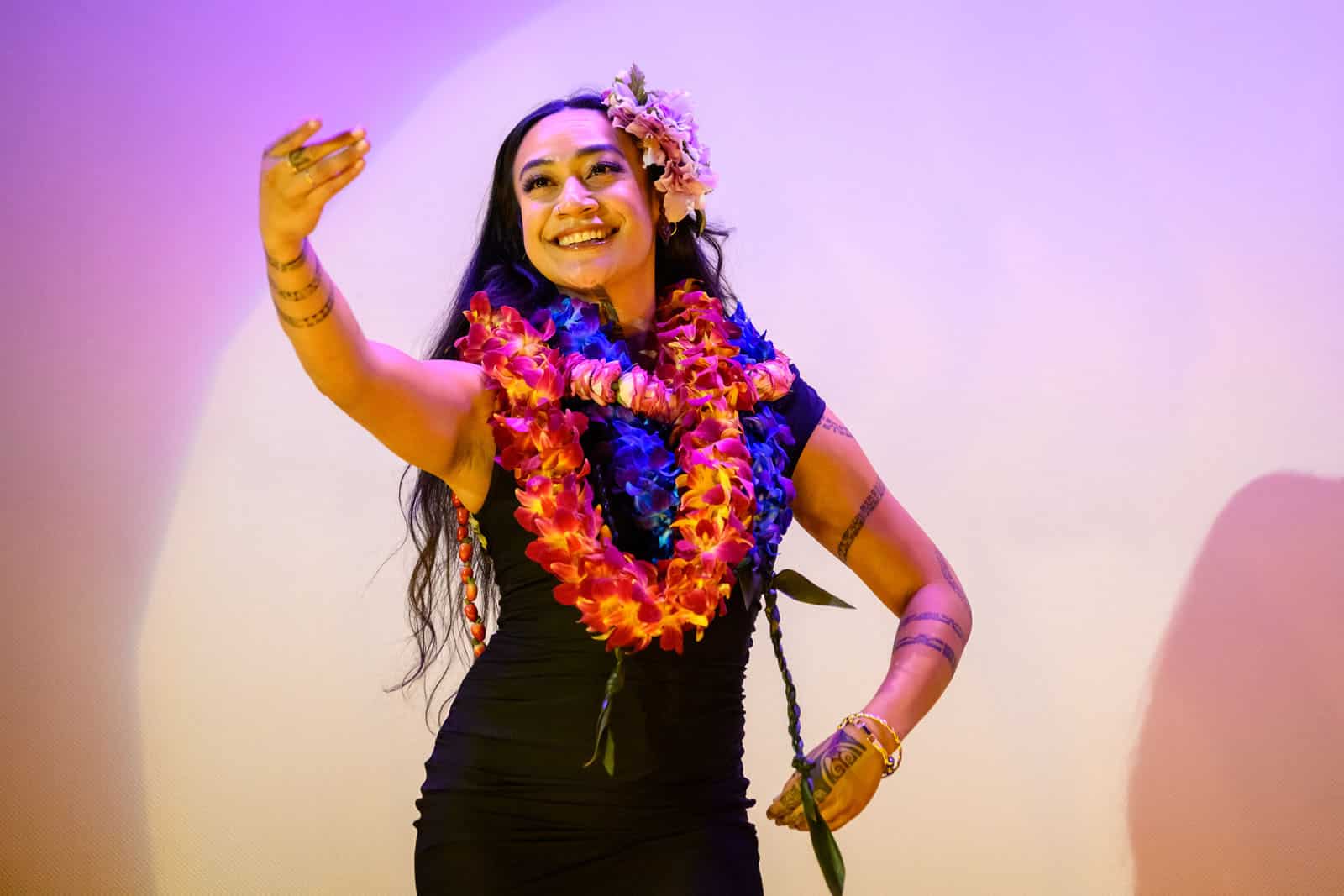
One of the highlights of the evening was the Q&A with Makana. She gave the audience a rare behind-the-scenes look at her experience filming the movie in Georgia, focusing on the deep emotional and cultural connection shared by the cast of Pacific Islanders. She also discussed the privilege of working with Tiana Nonosina Liufau, a pioneering Polynesian dance choreographer who greatly influenced Makana cultural and artistic practice.
While this article does not purport to be a review of Moana, the audience’s reaction at the end was a good indication that it was an enthusiastic “thumbs up.”
For that night, the story that unfolded on the screen was only part of what the audience had come to celebrate. The theater became a gathering place where stories were shared and Polynesian traditions celebrated through dance, music, and storytelling.
Outside the darkened theater long after the final credits had rolled, one could almost imagine the sound of a lingering “Chee Hoo,” seemingly reluctant to end an evening when culture, community, and legacy came together perfectly.

