On March 17, City Council approved the installation of further traffic improvements at the intersection of Lincoln Avenue and Walnut Street, and heard an update from Planning Department staff on 2025 achievements and 2026 goals. Mayor Marilyn Ezzy Ashcraft also gave her State of the City Address, which the Alameda Post covered when Ashcraft spoke in early March at the Alameda Chamber & Economic Alliance.
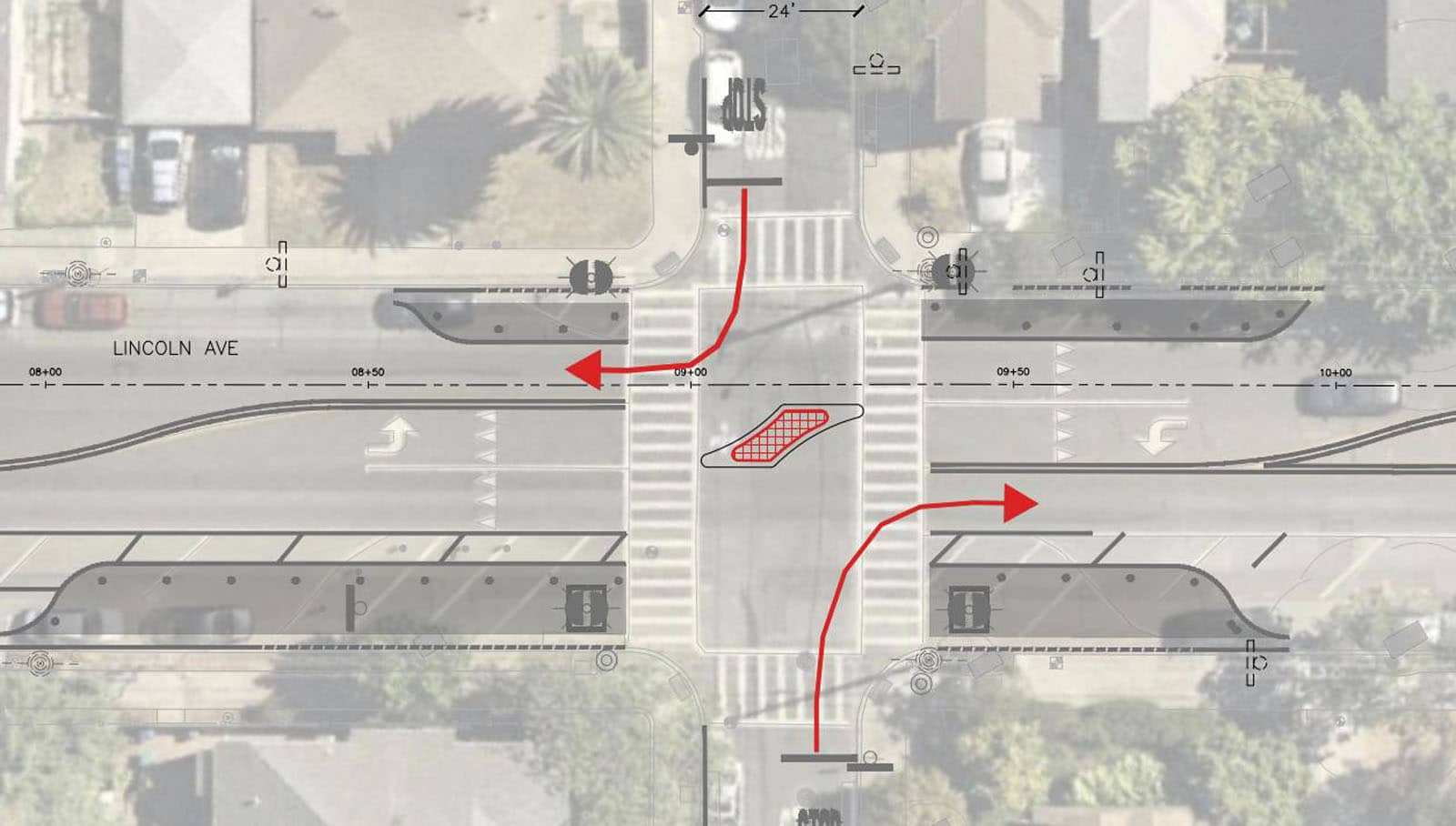
Lincoln/Walnut diverter
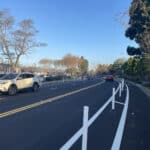
Despite the reduction of Lincoln Avenue from four lanes to three in the vicinity of Walnut Street in 2020, followed by the installation of flashing beacons and plastic bollards at the intersection in 2025, neighbors in the area have reported multiple recent vehicle collisions at the intersection and urged City staff to take additional action to address safety.
In a presentation to Council, City Engineer Scott Wikstrom walked through the history and context of the intersection, emphasizing that it has remained a stubborn problem spot for collisions even as other locations across Alameda have seen reductions in crash rates following the application of safety countermeasures. Since 2009, 38 collisions have occurred at Lincoln/Walnut, of which 30 were of the “broadside” type, more commonly known as a “T-bone” crash. Despite the changes implemented since 2020—which were aimed at increasing crosswalk and pedestrian visibility, reducing pedestrian crossing distances, adding dedicated left-turn pockets, and improving roadway sight distance—broadside collisions continue to occur.
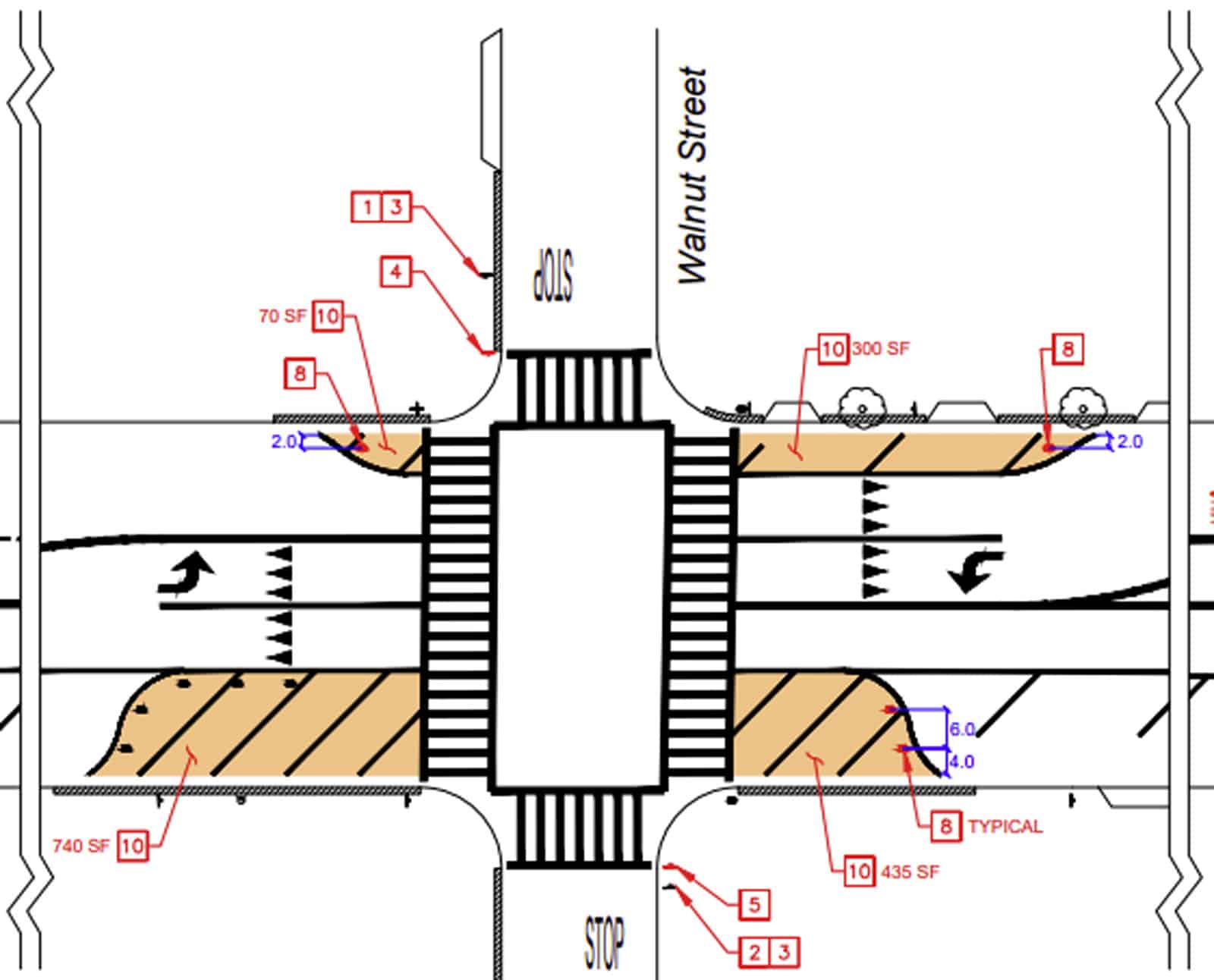
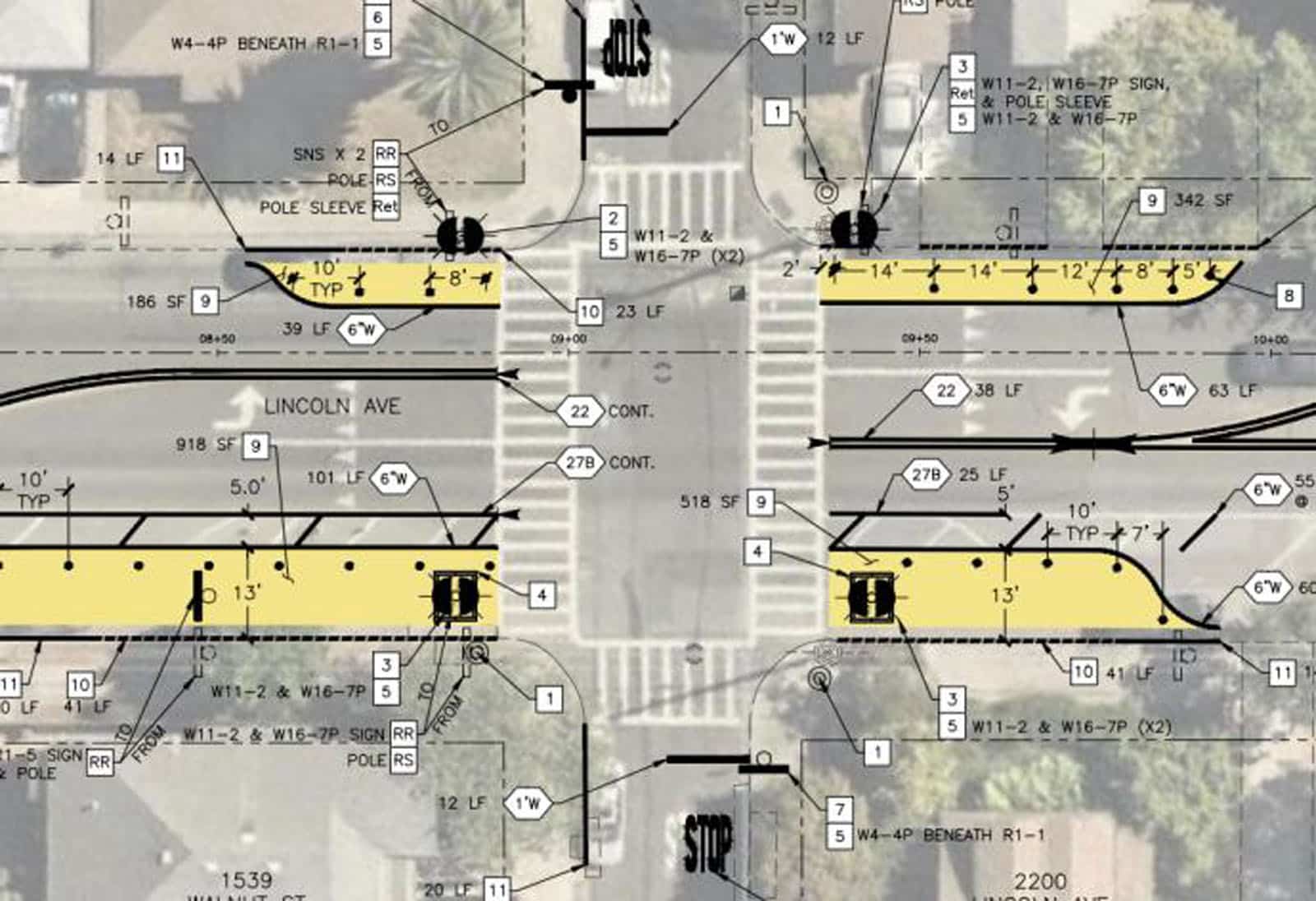
Since these collisions are usually a result of cars being hit on the side when making a left turn or through movement across traffic, Public Works staff proposed the installation of a diverter, or a raised traffic island placed in the middle of the intersection. The diverter would restrict left turns and through movements along Walnut Street, while maintaining pedestrian and bicycle access as well as vehicle left turns from Lincoln to Walnut. The $30,000 price tag makes this a “relatively inexpensive, not terribly invasive” solution that “would prevent the through movements and hopefully limit those broadside collision exposures,” according to Wikstrom.
Wikstrom and his team considered a few other alternatives, including the addition of stop signs on Lincoln Avenue to create an all-way stop-controlled intersection, but determined that the intersection does not meet the list of criteria that traffic conditions at the intersection must fulfill for that particular solution. Furthermore, if installed, that intersection would be the only stop along the corridor, which could contribute to poor stop-sign compliance, traffic congestion, or even new rear-end collisions. A traffic signal at the intersection was deemed too costly, while a conversion of parallel Willow Street and Oak Street into a pair of one-way streets would have an excessive impact on the area and would not address broadside collisions.
During discussion, Councilmembers generally voiced support for the change but wanted to make sure the needs of the community were being heard and addressed appropriately.
Councilmember Tracy Jensen asked how neighbors felt about the proposal. In response, Wikstrom, with support from consultant David Parisi, explained that residents simply want to see something done at the intersection to curb further collisions, and noted that diverters are often used in communities to address the very issues exhibited at Lincoln/Walnut.
“It is hard to put a price tag on human life,” added Mayor Marilyn Ezzy Ashcraft, who added that although installing a traffic signal is expensive, it could address near misses and standardize the traffic control experience for travelers coming westbound from the Miller-Sweeney (Fruitvale) Bridge.
Councilmember Tony Daysog also inquired about the potential for traffic diversion away from Walnut Street and onto Willow Street and Oak Street. In response, Wikstrom said that City staff will monitor all three intersections to understand how drivers may have changed their behavior and identify any impacts resulting from the installation.
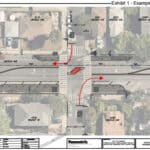


Council approved the recommendation to authorize the Public Works Director to install improvements at the intersection in a 4-0 vote, with Vice Mayor Michele Pryor absent. The diverter could be installed as soon as summer 2026. Meanwhile, construction of the Lincoln/Marshall/Pacific Safety Improvement Project is slated for 2027, which provides an opportunity to modify the diverter or make it permanent, depending on findings.
Planning Department annual reports
Later in the meeting, Planning, Building, and Transportation Director Allen Tai and members of his team summarized progress and this year’s goals on climate initiatives and transportation projects.
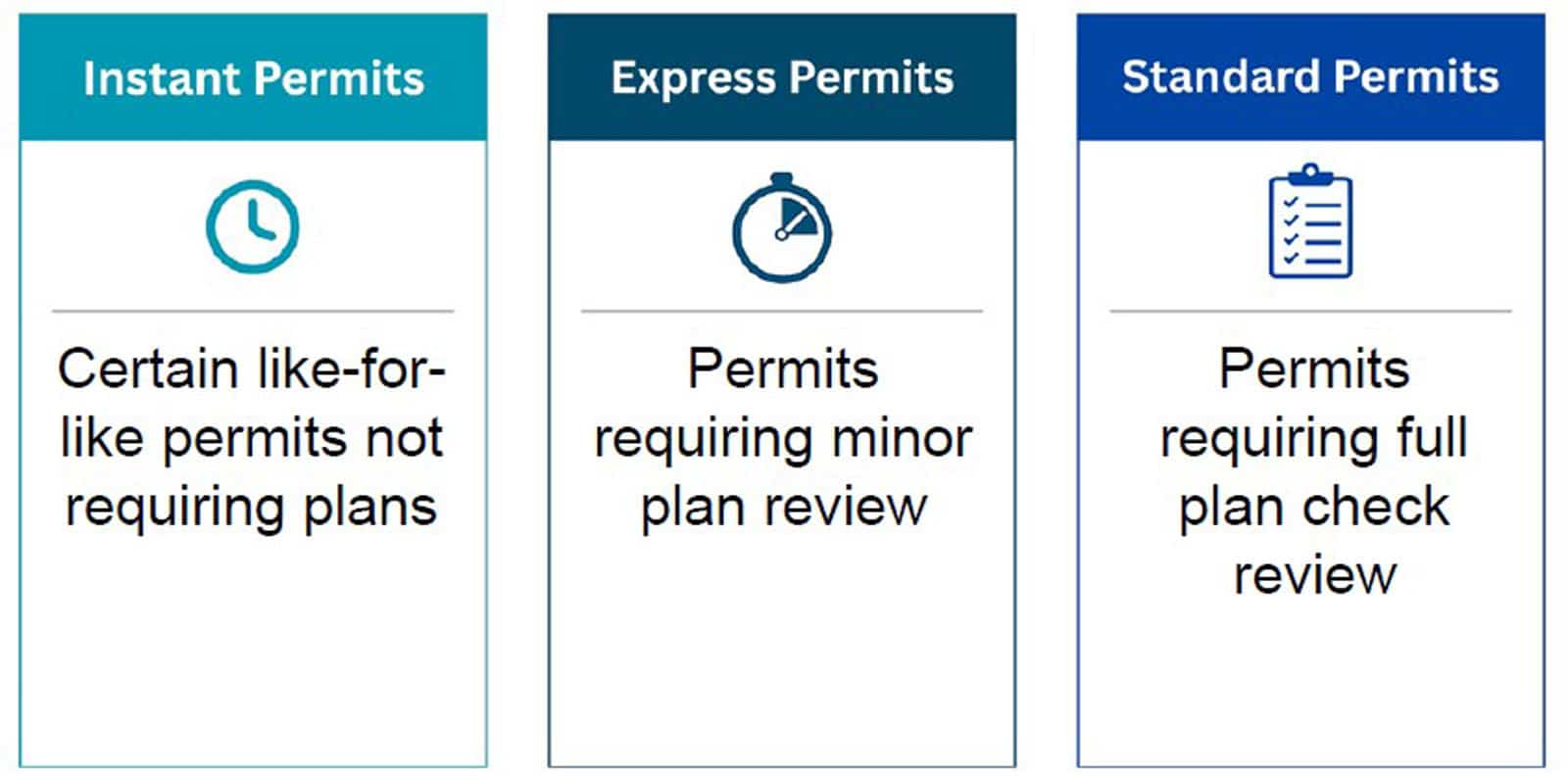
Tai began with service metrics from his department, highlighting that the City’s permit center handled over 8,500 phone calls and 20,000 emails, issued over 4,500 permits, and completed over 30,000 inspections. He also teased upcoming changes to the permitting process with the rollout of instant permits for faster service.
Next, Sustainability and Resilience Manager Danielle Mieler identified the installation of the City’s first public curbside electrical vehicle chargers and the Home Electrification Fair as key accomplishments in 2025, with the implementation of the Zero Waste Implementation Plan and adoption of the Urban Forest Plan as two priorities for 2026. Mieler also recognized the progress completed so far on sea level rise projects in Alameda and signaled additional planning and outreach activities later this year.
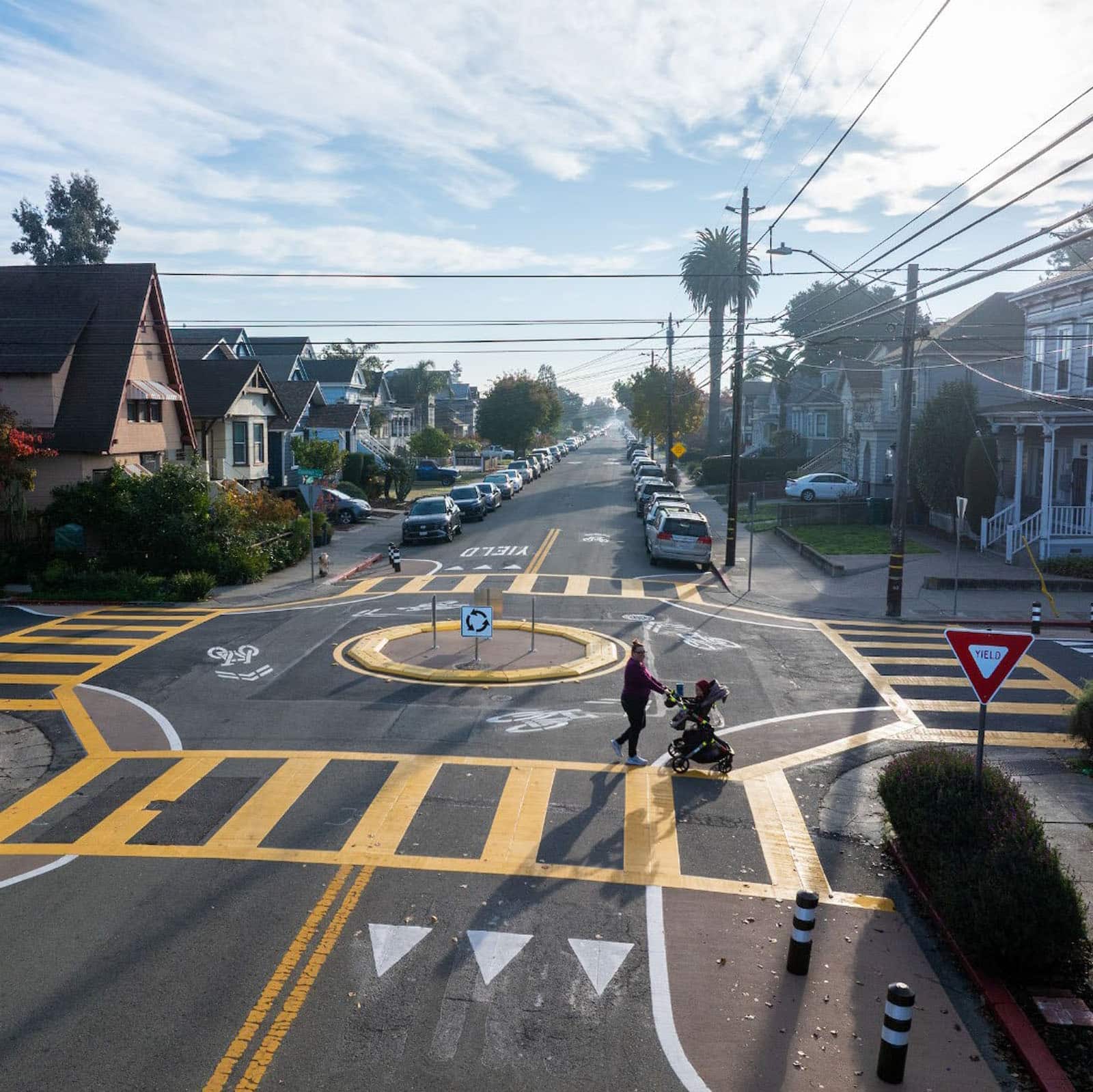
Finally, Transportation Planning Manager Lisa Foster had plenty to celebrate: 2025 marked the construction of the first phase of the Pacific Avenue Neighborhood Greenway as well as the City’s first roundabouts along Central Avenue. This year’s Annual Bike Festival is scheduled for Saturday, May 2 at Ruby Bridges Elementary School.
Planner Tristan Suire provided an update on Alameda’s General Plan and Housing Element Annual Progress Reports, which focused on the March 9 Planning Board meeting.
“It was very helpful to get a quick overview of these really important areas for the City,” commended Councilmember Greg Boller. “I think what you see in the vision here is some really strong efforts, some really strong accomplishments, in a difficult terrain.”
Council accepted the 2025 Annual Reports in a 4-0 vote, with Pryor absent.
Ken Der is a contributing writer for the Alameda Post. Contact him via [email protected]. His writing is collected at AlamedaPost.com/Ken-Der.

