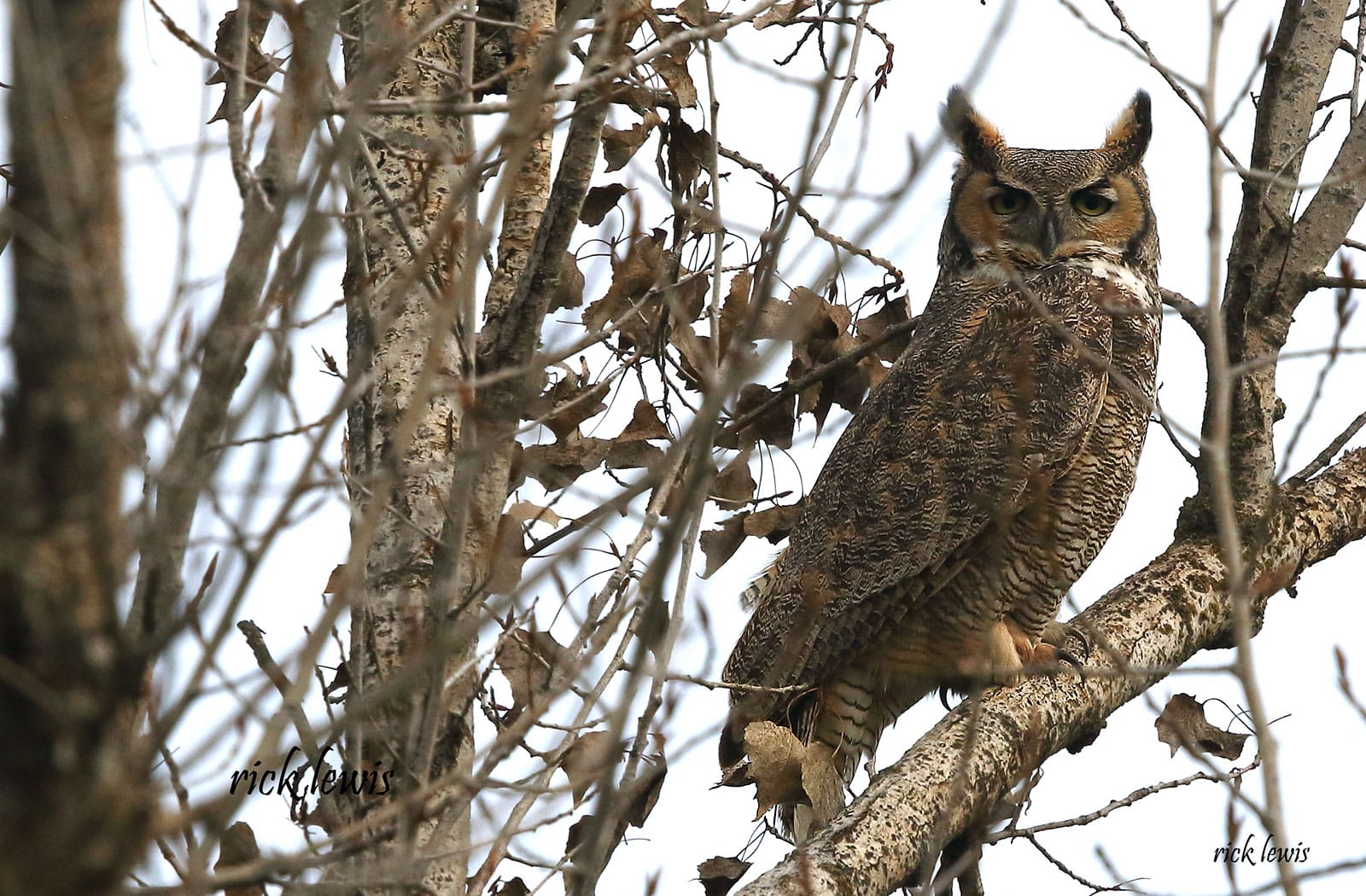
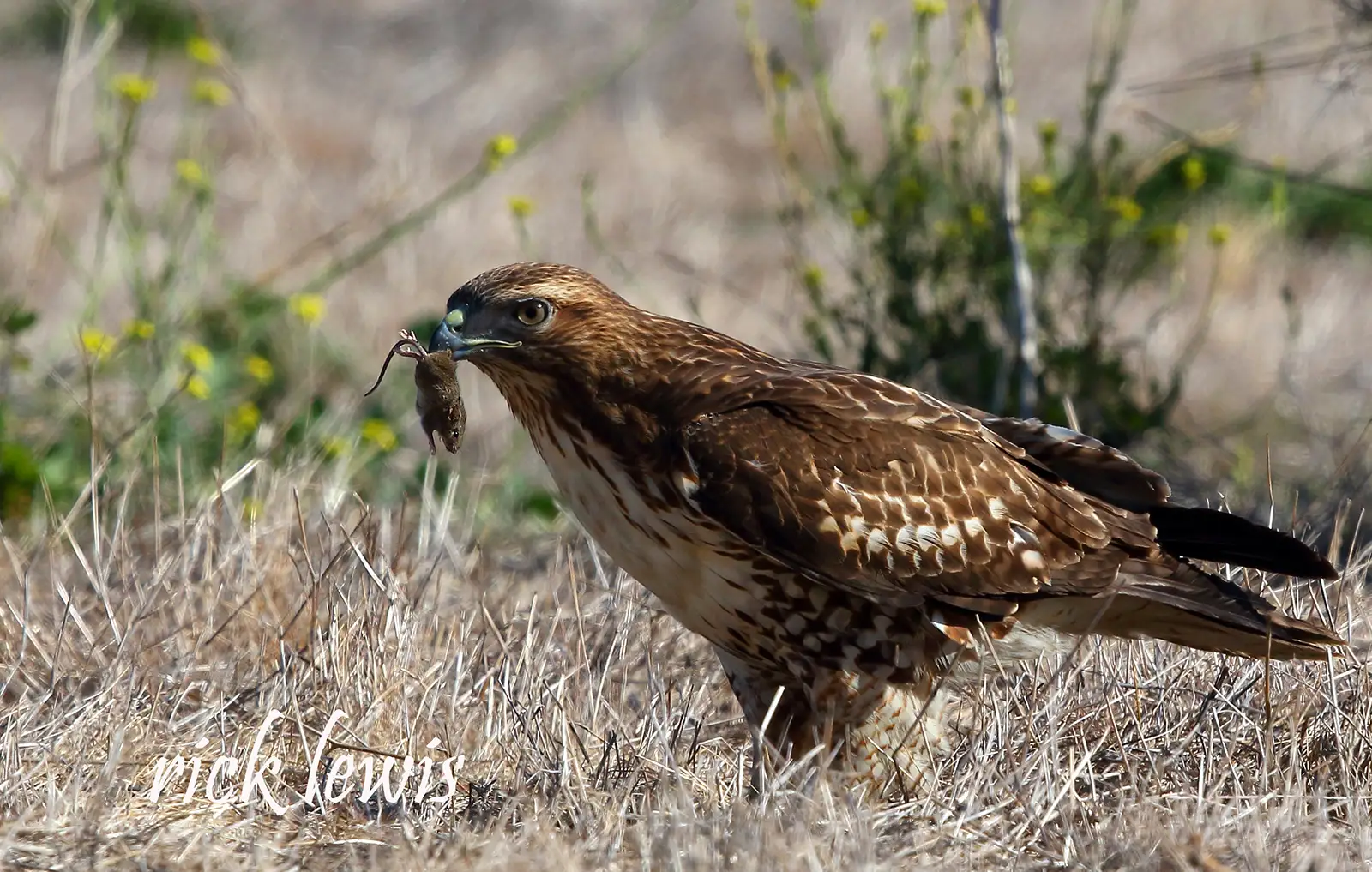
Did you know that the island of Alameda is a hotspot for wildlife? We may have the biggest roost of brown pelicans in all of California on the rock wall near the USS Hornet. Alameda Point hosts the most important nesting site in Central California of elegant terns and endangered least terns. The best place to see harbor seals in the whole Bay Area is at the seal platform near Encinal Beach. We often see osprey and peregrine falcons hunting along Alameda’s shorelines, and this past year a pair of bald eagles attempted to nest in Alameda. We also have red-tailed hawks, Cooper’s hawks, barn owls, and great horned owls that nest and/or hunt in Alameda, eating rodents and smaller birds.
Many people prefer not to have rodents living around their homes. If you see one in your yard that is not the native California ground squirrel or a gopher, it is most likely the Norway rat, possibly the roof rat, or perhaps the common house mouse. These three species are “commensal rodents” because they occur where people live, having followed us all over the world, arriving here on European ships during colonization.
Populations of rats and mice often explode when given enough to eat, like ripe fruit from our gardens, food waste around our trash cans, and spill over from bird feeders. As an alternative to feeding birds with seed, consider a garden with California native plants if possible. Not only could this save water and create beauty, but it would provide food for all kinds of pollinators as well as birds.
Native species of rodents are important ecologically, but large populations of commensal rodents can be a health risk and can sometimes cause property damage. There are many ways to discourage rats and mice from living in or near our homes, but unfortunately people and agencies sometimes resort to using poison as the first step in the battle, rather than the last resort. Some poisons, known as anticoagulants, will not only kill rodents but can harm the predators that eat the sickened rodents, such as hawks, owls, racoons, bobcats, and house pets.
Secondary poisoning has had a large impact on urban and suburban wildlife.
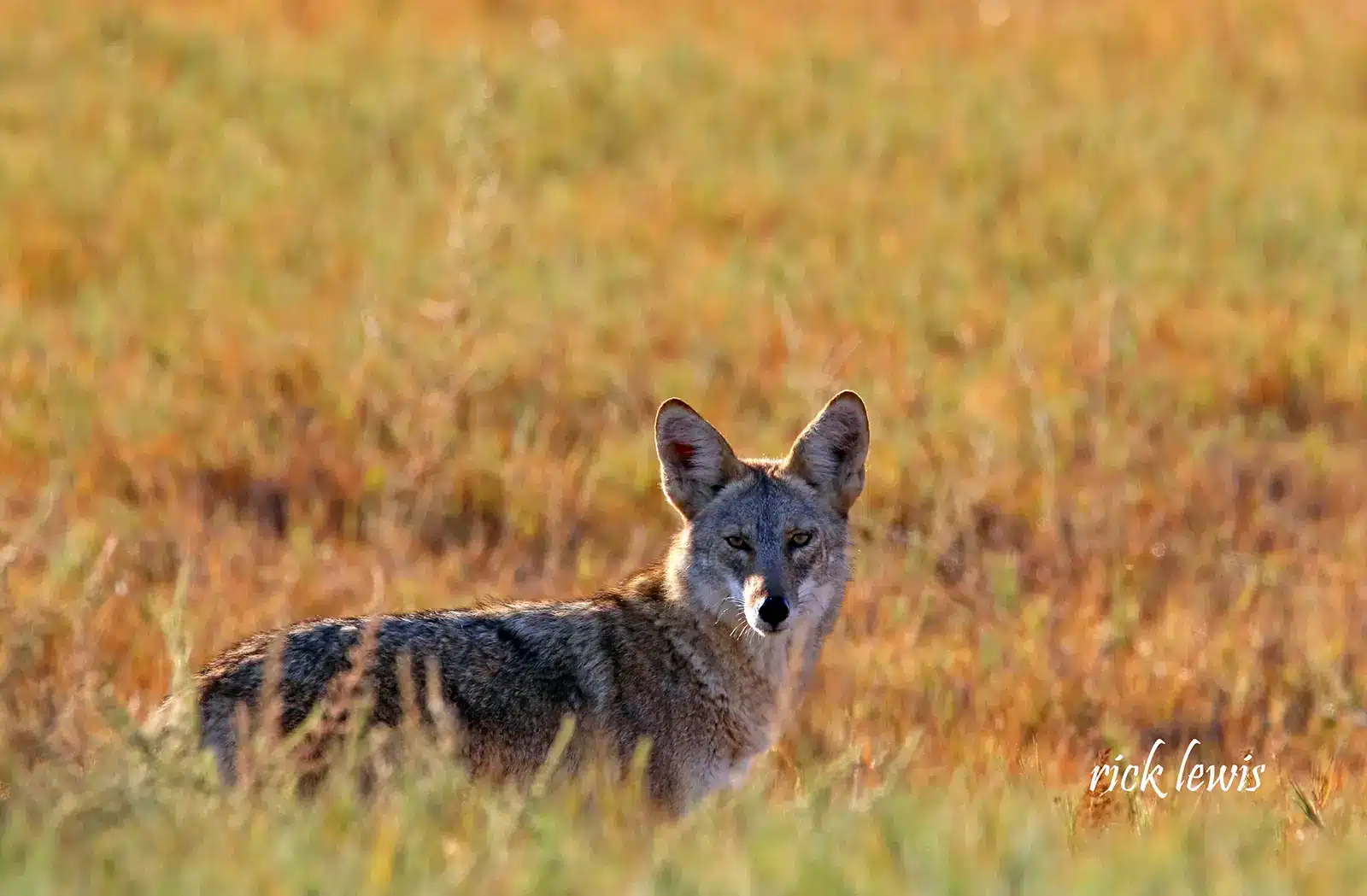
Thankfully, a few years ago, the most dangerous anticoagulant rodenticides—poisons that kill rodents—were outlawed for use by residents in California in order to protect wildlife, and at the beginning of 2024 more anticoagulants were added to that list. Professional pest control companies may still use some of these rodenticides, and most of them still can be used in other states. There may also be future poisons coming onto the market that are not covered under the laws.


We can control rodents while protecting wildlife if we follow an approach called Integrated Pest Management (IPM), which relies on common-sense practices that take the biology and behavior of the rodents into account. IPM starts with prevention—sanitation and exclusion are the best tools to control commensal rodents. Make sure your trash and compost bins are tight and rodent-proof, clean up refuse and food waste around buildings and on the street, and try to discover other sources of food that rodents might be eating. Check around buildings for small entryways and block them so rodents cannot come inside.
The next step in the IPM approach is the mechanical strategy of trapping the rodents. There are many types of traps, some more humane than others, and there are many strategies for how and where to use them. The University of California IPM website provides important resources about trapping.
If sanitation, exclusion, and trapping do not control the rodent population despite gallant efforts, rodenticides are considered a last resort in the IPM approach. Non-anticoagulant rodenticides are not known to lead to secondary poisoning of wildlife and pets. If you feel you must use them, please carefully research the kinds that are available and always follow directions. Alternatively, you can contract with a pest control provider that uses an IPM approach—sanitation, exclusion, and trapping—before considering rodenticides. To protect hawks, owls, pets, and many kinds of wild mammals, please tell these companies to never use anticoagulants to kill rodents.
Thankfully, there are many resources that help us learn about environmentally friendly ways to control rodent populations. Here are some of these.
- Check out UC IPM for all your pest control needs. They provide science-based best practices to help homeowners and land managers alike.
- The California Department of Fish and Wildlife’s Living with Wildlife web page also provides information on best practices when controlling pests, as well as the latest in research on rodenticides.
- Raptors are the Solution (RATS) is a nonprofit organization that is part of the Earth Island Institute, based here in the Bay Area. Their goal is to educate the public about the dangers of rat and rodent poisons in the food web. They inform people about the ecological role of wild birds of prey, and work to eliminate toxic rodenticides to prevent further poisonings of wildlife, children, and pets. Their website is full of ideas about how to prevent and control rat populations without using poison.
- Wildcare is a local organization that tests wild animals for the presence of rodenticide. On their website, learn about the problem of secondary poisoning and ways to humanely control rodent populations.
We are lucky to have hawks, owls, and other wildlife in Alameda. Please protect them by controlling rodents using an Integrated Pest Management approach.
Michael Charnofsky is a Naturalist with the East Bay Regional Park District (EBRPD), based at the Doug Siden Visitor Center at Crab Cove in Alameda. This is part of a series of articles about Alameda wildlife by the Friends of the Alameda Wildlife Reserve, a Conservation Committee of the Golden Gate Bird Alliance (formerly Audubon).
