We live in a very birdy state. The total number of bird species across all 50 states is around 1,100 species. California alone has just over 700 recorded species within our borders. A few factors favor this richness.
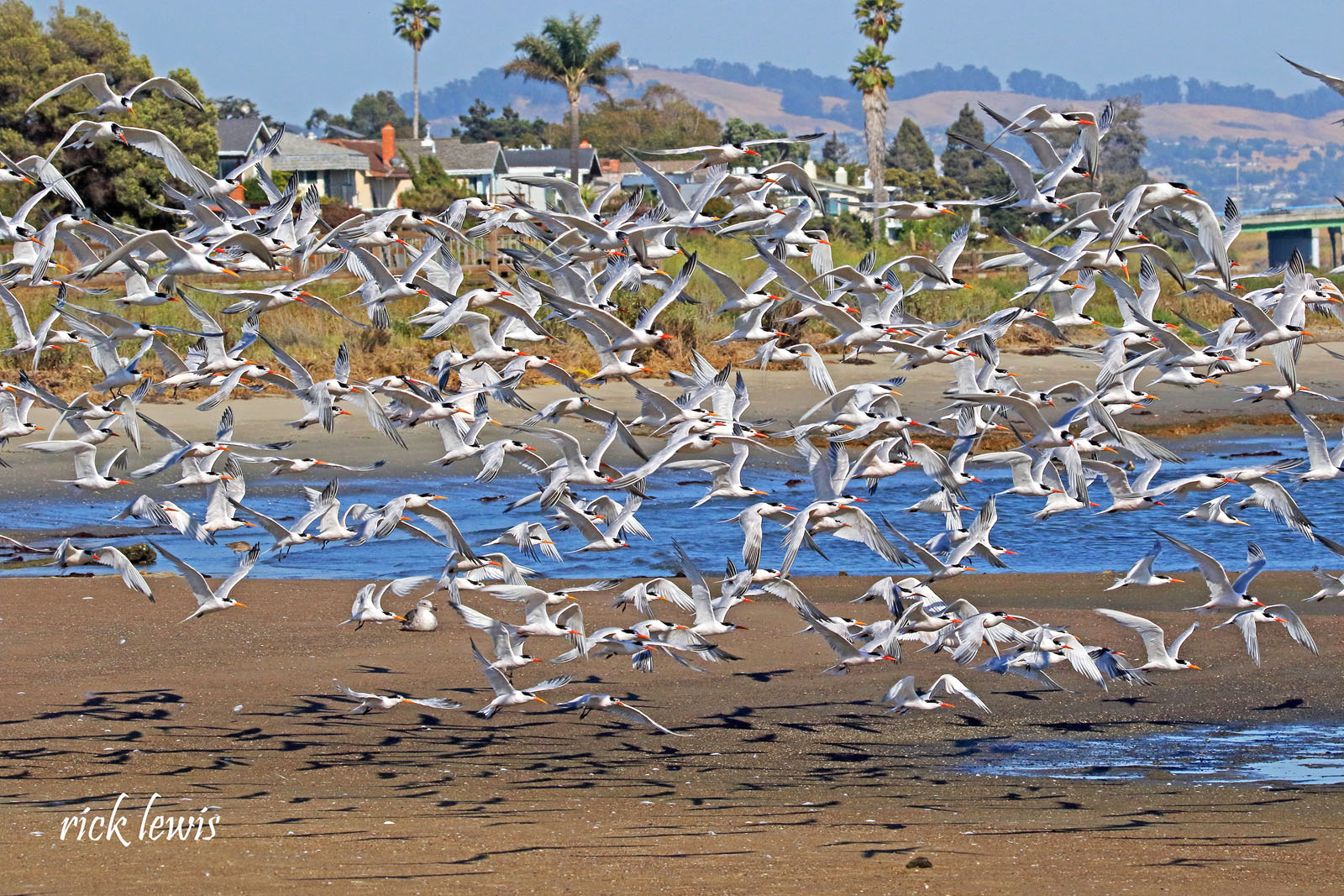
One is location. We are situated along a major migratory route (the Pacific Flyway) that many birds pass through on the way to somewhere else.
Another factor is size. California is the third-largest of the states, but beats out both Texas and Alaska for number of bird species. Within our 163,695 square miles we have varied topography and climatic conditions that produce a bonanza of varied habitats from temperate rainforest, scorching deserts, oak woodlands, vast grasslands, high altitude tundra, and Joshua Tree forests. We have 189,000 miles of rivers and streams, along with thousands of lakes. And we have a coast—6,400 miles of it, including the Alameda beach and estuary.

Despite all those impressive statistics, we are behind 44 other states in one respect—we do not have a breeding bird atlas for our state. That is changing as of this year, and you could be a part of it.
So, you may be asking, what is a breeding bird atlas and why is one important?
A group of observers (maybe including you?) spends time out in nature observing bird behaviors that give varying degrees of certainty as to what species are breeding in a particular area. That data is then published in an atlas with distribution maps for each species.
The study area for an atlas could be a naturally coherent piece of habitat such as a patch of woods, a desert basin, a mountain range or an island. More commonly it is a particular county, or in this case, a state. The study area is divided into manageable-sized blocks that can be reasonably studied by a person or team.
The data is then organized by species into the atlas, which shows breeding occurrence within the study area. Each species also gets at least a page dedicated to describing its habitat, reproductive behavior and phenology (the study of the timing of life events).
Breeding bird atlases give scientists, state regulatory agencies, state, regional, county, and city planners information they need about where species are and how they may be affected by development or ongoing human activities. A huge study was released in 2019 that showed a decline of three billion fewer birds across the USA since 1970. That decline continues today.
This atlas effort will stretch over the next five years to get the best data possible over the entire state. It will finally give our most-biodiverse home a baseline for monitoring, protecting, and restoring the species that grace this beautiful place. It may even reverse that decline.
Because California is such a huge state, this effort will need lots of help. The state has been divided into approximately 16,500 survey blocks that are each 3×3 miles (9 square miles). There are already close to 80,000 active birders in the state, and more are welcome but they need to be trained in the methods used for atlasing. Thankfully, those methods are not hard to learn. In fact, if you are new to birding, it is a great way to improve your skills and help the effort in the process. To learn how to get started, visit the California Bird Atlas Quick Start Guide, which includes instructions on creating an eBird account to record your atlasing data.
Atlasers have developed a standardized list of behaviors, in ascending order of certainty of breeding confirmation. Each is a one or two letter code, to help them determine whether a bird was a possible, probable or confirmed breeder. For example, a singing male (S = singing male) may be ready to find a mate and settle down, so he is a possible breeder—or he is practicing until he gets to the boreal forest 1000 miles further north.
If we see a male and female of the same species in the correct habitat at the right time of year (P = pair in suitable habitat) they may be ready to raise young, so they could be probable breeders—or they may coincidentally be in the same place at the same time but headed elsewhere separately.


What if you see a bird carrying a white blob in its mouth (FS = carrying a fecal sac)? You may know the saying, “Don’t foul your own nest.” This refers to many songbird hatchlings who release their feces in a membrane that the parents remove from the nest to prevent bacterial growth. Seeing this behavior confirms that this species is a breeder. There are 20 other codes used with varying degrees of certainty, from possible to confirmed.
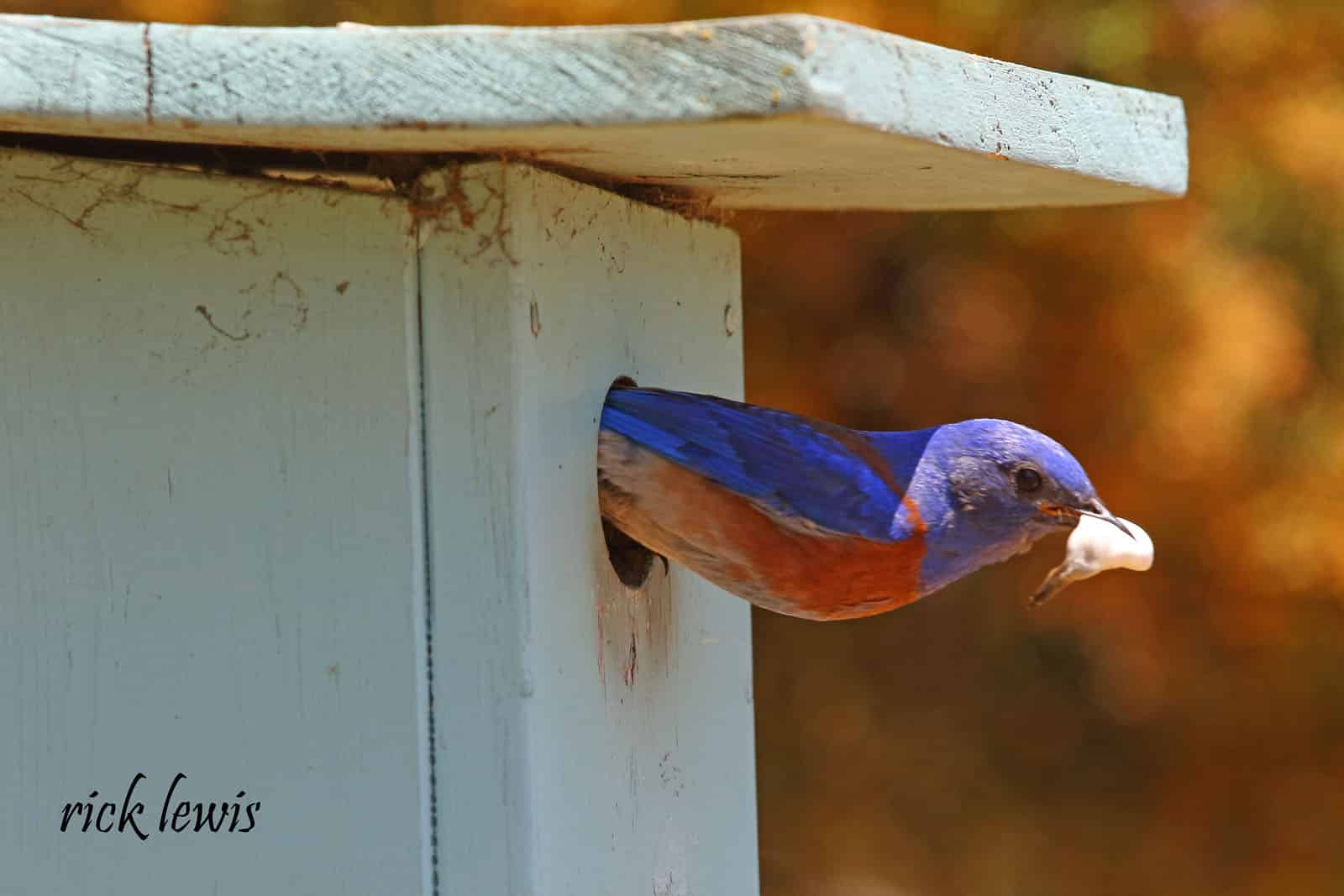
The key to being a good atlaser is to be observant. If you can notice these types of clues and identify the species of the bird doing the behavior, you could be an atlaser.
I normally think of birding as a treasure hunt. Each new bird I see is a reward—beautiful plumage, interesting behavior, or a species new to me. Atlasing, on the other hand, is more like sleuthing a mystery. Yes, you still find and identify a species of bird, but then you are looking for clues. You are on a stakeout. You watch for something different and special that will let you know if they are breeding.
Years ago when I was working on the Santa Cruz County Breeding Bird Atlas, I had a bit of luck with a California scrub jay.
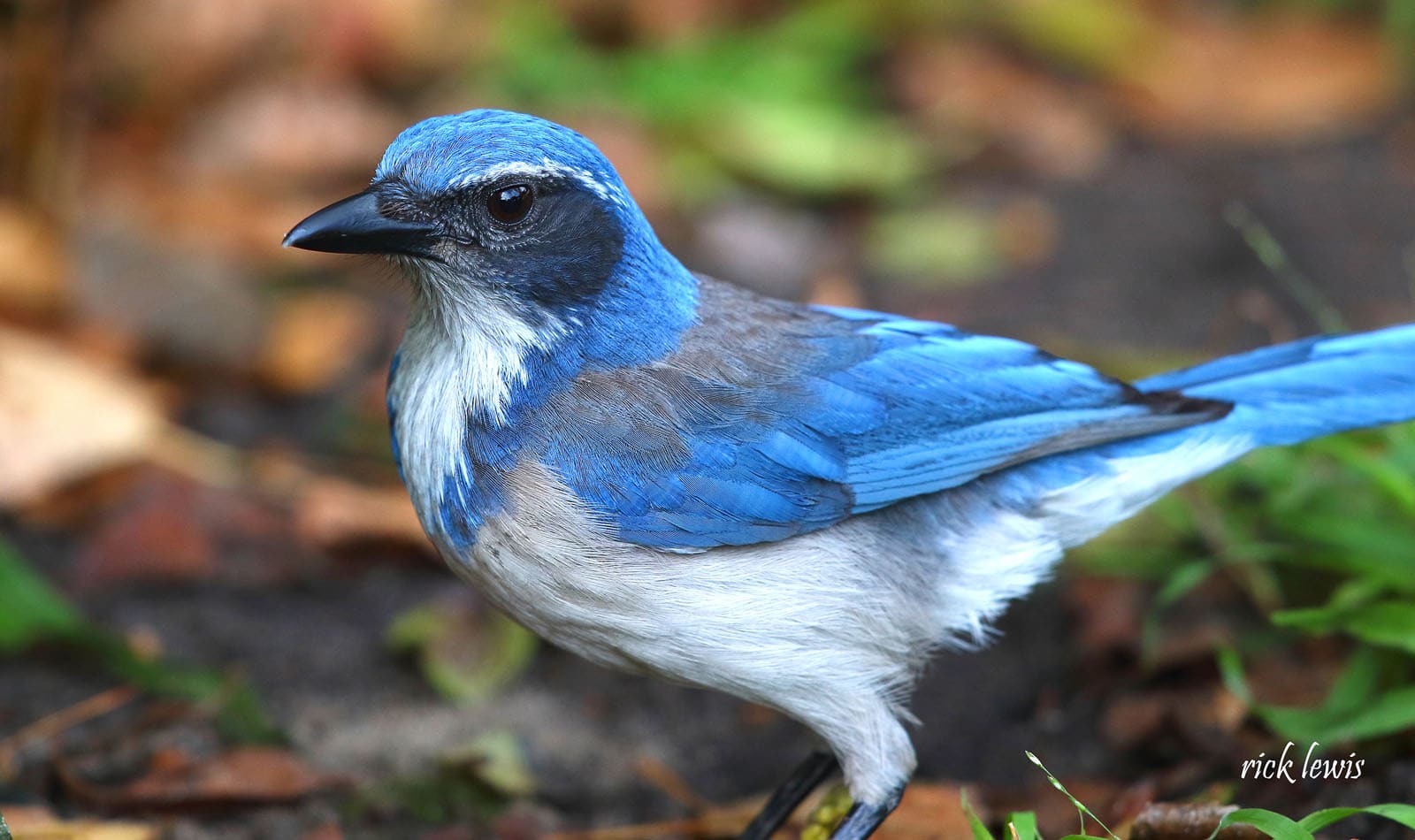
One day in early spring I was walking to my neighbor’s orchard and a scrub jay loudly burst out of a tree right by my head. It startled me and I was surprised that I had clearly startled the jay. They usually see me coming and start squawking when I am far away. Then it hit me—the jay was hiding until the last possible minute hoping to go undetected. And why would it do that unless it had something to hide?
Working on my gut feeling, as classic sleuths do, I looked where it had fluttered out of the tree and there at eye level was a beautiful nest with four turquoise and brown speckled eggs (NE = nest with eggs). Eureka! Incidentally, I went back 18 days later and was rewarded with a view of recently hatched young (NY = Nest with young).
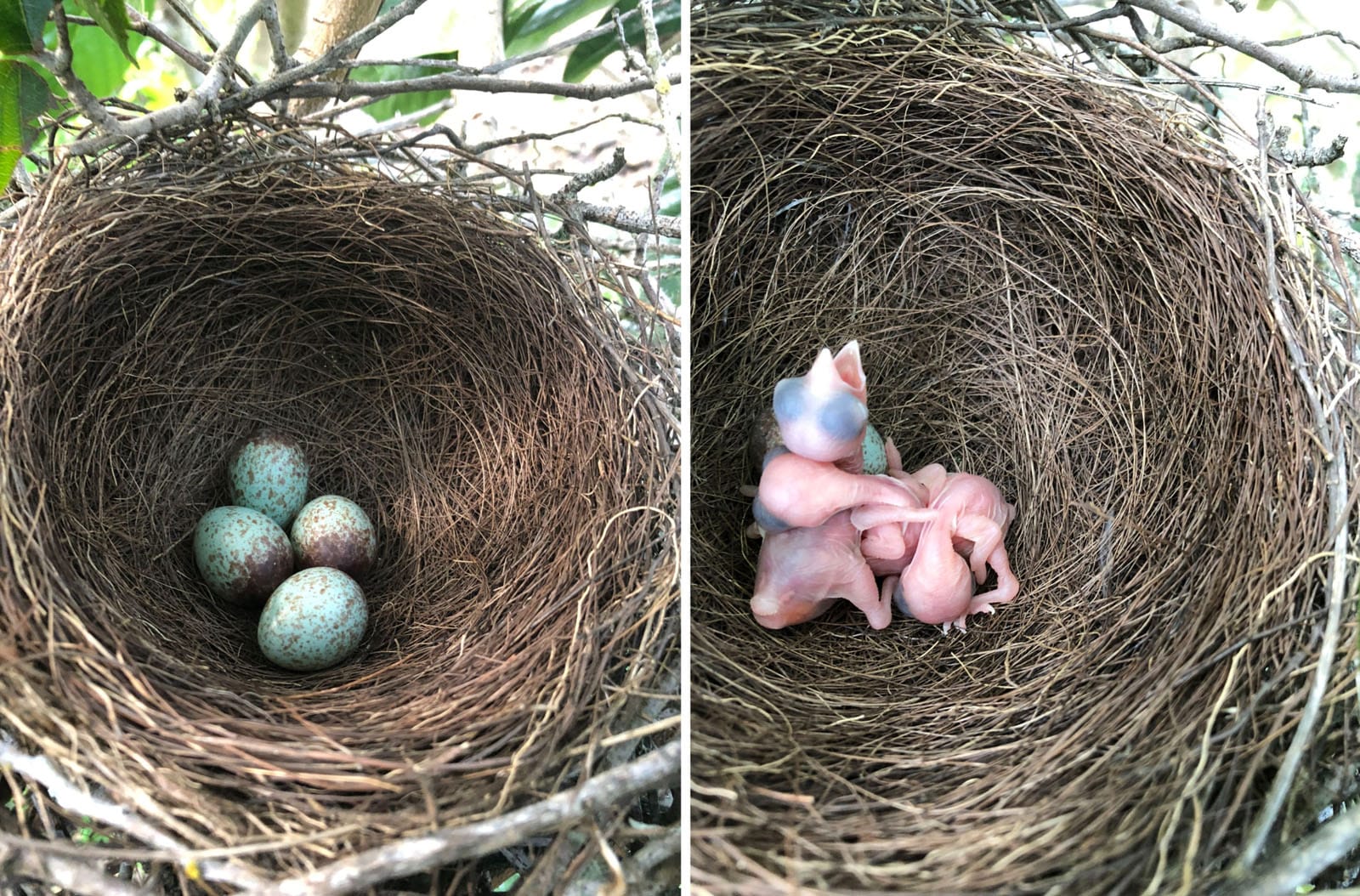
Over the next four years I used this same technique—noticing a fluttering bird that startled me—to find nests of band-tailed pigeon, dark-eyed junco, western flycatcher, black phoebe, chestnut-backed chickadee, and Bewick’s wren (ON = occupied nest, NY = nest with young) and add valuable breeding data for the county.
Atlasing changed how I listen to bird songs. Now I listen not only for identification but also for what it means. Was that sound to defend territory, call a mate, or beg for food? I found a pair of ash-throated flycatchers by their calls and later was able to see them feed a fledgling (FY = feeding young) because I noticed the difference in calls.
I believe I have matured as a birder because of my atlasing. I have seen most of the species that will visit where I live and so there will be fewer times when I experience the joy of new finds. However, I have a renewed enthusiasm for birding, not just for helping the atlas effort, but because I am seeing birds in a new way, each species with different behaviors and strategies for reproduction.
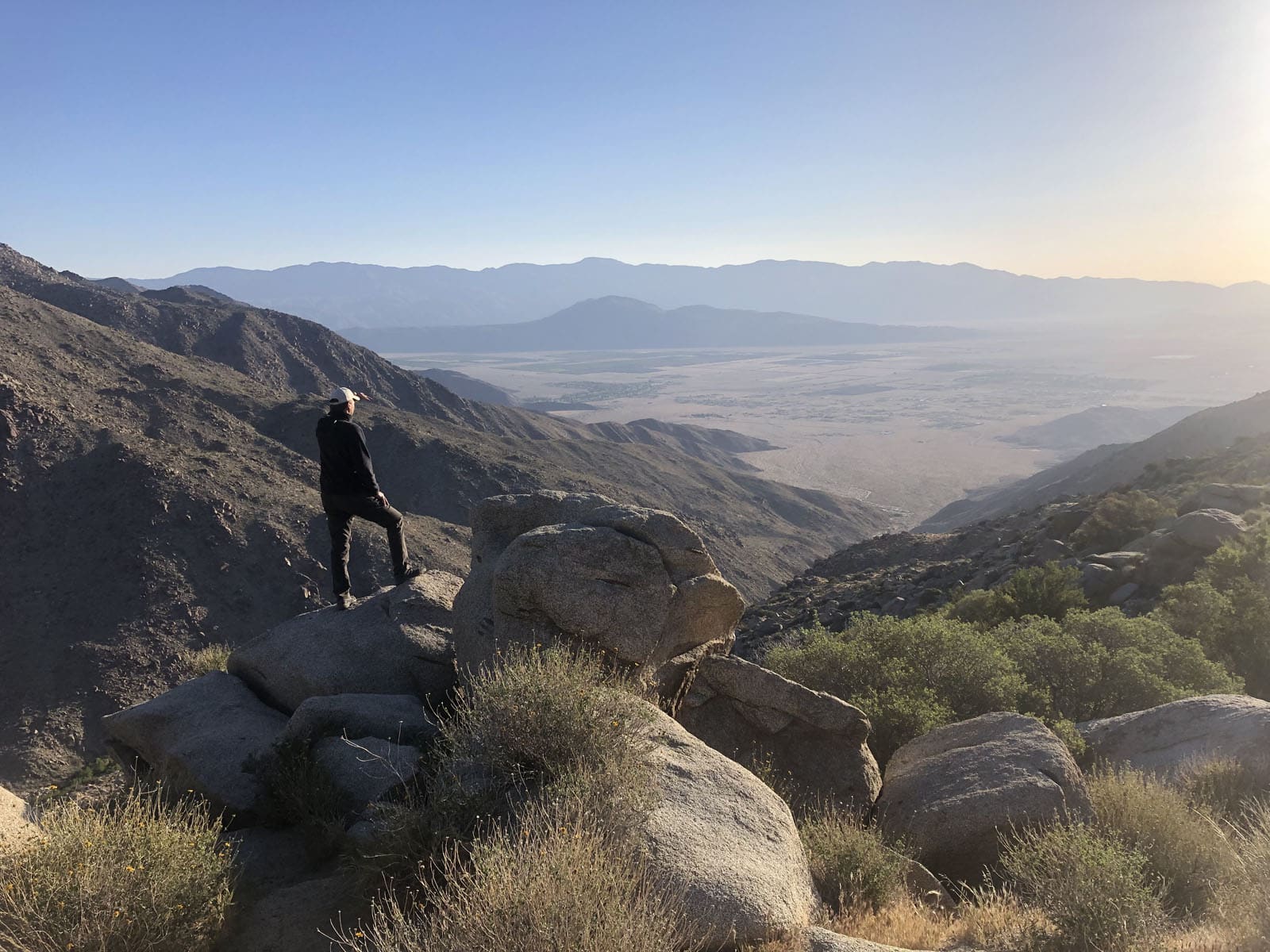
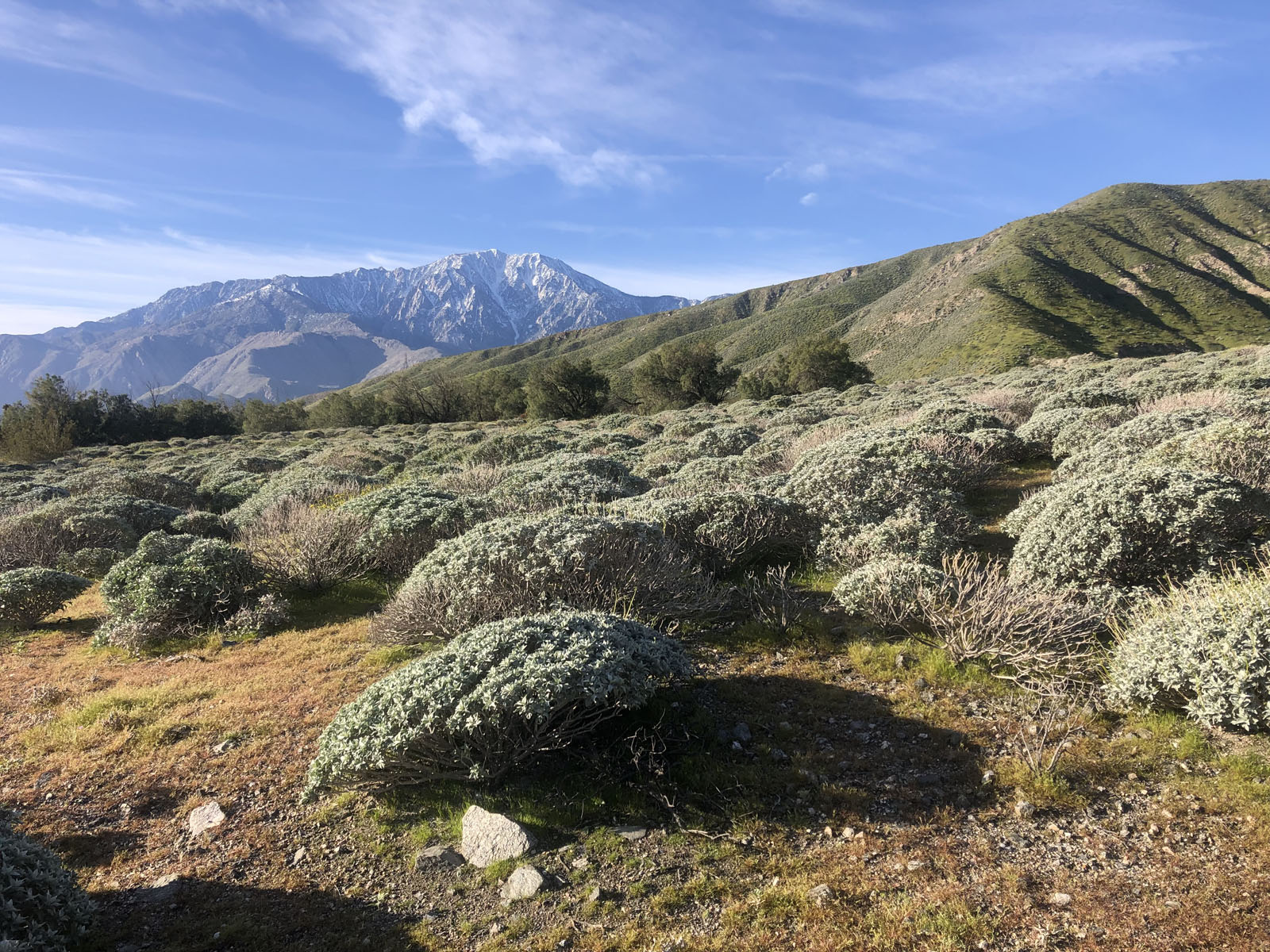
And now atlasing gives us a new excuse to visit far-flung parts of our beautiful state. The mountains, deserts, and eastern edge of California have far fewer birders and plenty of breeding birds that need to be counted. Check out the California Bird Atlas Effort Map. Find a blank spot on the map and explore!
“I see the city pigeons veer,
I mark the tower swallows run
Between the tower-top and the ground
Below me in the bearing air;
Then find in the horizon-round
One spot and hunger to be there.”
— Gerard Manley Hopkins, The Alchemist in the City, 1865
Our birds aren’t going to count themselves. Bird on!
Jeff Manker is an avid birder who worked for four years on the Santa Cruz County Breeding Bird Atlas. He is a K-12 Education Advisor for the Cornell Lab of Ornithology, a Director for the Golden Gate Bird Alliance, and serves on the East Bay Conservation Committee.
This article is part of a series from the Friends of the Alameda Wildlife Reserve (FAWR), a Conservation Committee of the Golden Gate Bird Alliance (GGBA). Learn more about FAWR at www.goldengatebirds.org.
