In honor of Stroke Awareness Month, Healthy Alameda wants to remind Alameda Post readers of the signs of stroke, a medical emergency that affects more than 795,000 people in the U.S. every year.
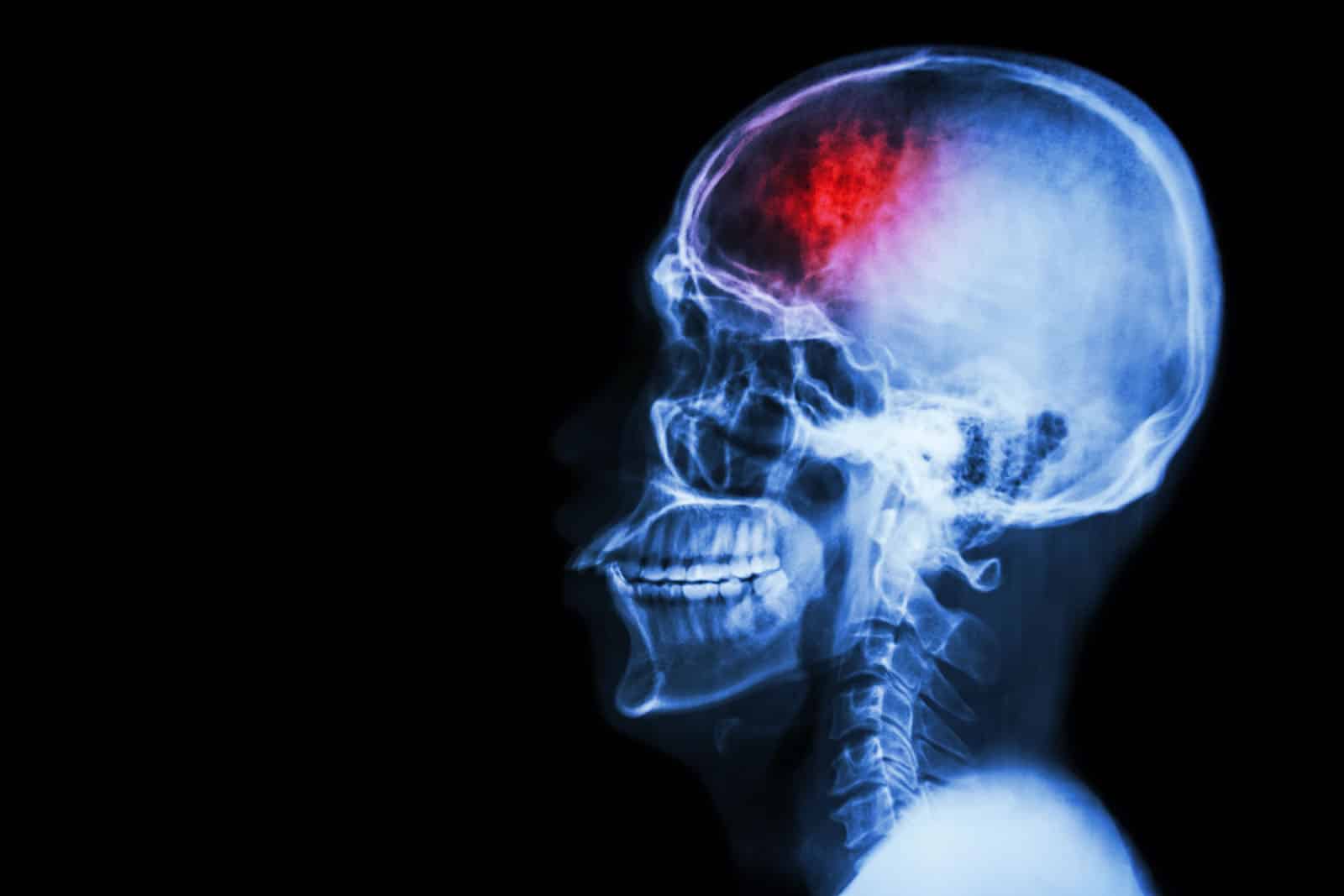
A stroke can happen suddenly and without warning. One moment, someone is speaking normally. The next, they may have slurred speech, facial drooping, trouble seeing or weakness on one side of the body. When that happens, every minute matters. Stroke is a time-dependent emergency, meaning the faster symptoms are recognized and treatment begins, the better the chances of reducing long-term disability and improving recovery.
At Alameda Hospital, a certified primary stroke center, care teams are trained to quickly respond the moment a patient arrives with stroke symptoms.
That commitment to readiness is part of a broader focus on high-quality care on the island. Alameda Hospital recently earned an “A” grade in patient safety from the Leapfrog Group, while its skilled nursing facilities were recognized among America’s Best Nursing Homes by Newsweek.
That focus on quality becomes especially critical during emergencies like stroke.
Once a patient arrives with suspected stroke symptoms, care teams mobilize immediately. Patients are rapidly assessed, transported for imaging and evaluated to determine whether the stroke is caused by a blocked blood vessel or bleeding in the brain, a critical distinction that guides treatment.
For eligible patients experiencing an ischemic stroke caused by a blocked vessel, rapid treatment can restore blood flow to the brain and improve outcomes. Research shows that even small reductions in treatment time can help more patients leave the hospital able to walk independently, care for themselves, and recover more fully.


“I love being part of the process,” said Davinder Lell, stroke coordinator at Alameda Hospital. “From getting patients to CT quickly and helping with time-sensitive treatments to doing whatever it takes to ensure they get the care they need right away, even if that means pushing the gurney when every minute counts. But the earlier patients get to us, the more options we have to help them.”
That is why some of the most important moments happen before a patient ever reaches the hospital. Many delays occur at home, at work, or in the community, when stroke symptoms are missed, minimized, or ignored.

To help people recognize the warning signs, stroke teams emphasize BE FAST:
- B – Balance. Sudden dizziness, loss of balance, or coordination.
- E – Eyes. Sudden blurred vision, double vision, or vision loss.
- F – Face. One side of the face droops, feels numb, or looks uneven when smiling.
- A – Arms. Weakness or numbness in one arm or one side of the body.
- S – Speech. Slurred speech, confusion, or trouble speaking clearly.
- T – Time. Call 911 immediately.
Do not wait for symptoms to improve or attempt to drive yourself to urgent care or the hospital.
Stroke risk increases with age, high blood pressure, diabetes, heart disease, smoking, and family history, but anyone can experience a stroke.
During Stroke Awareness Month, take time to know your risk factors, learn the warning signs and remember to BE FAST.
Healthy Alameda is a healthcare column provided by Alameda Health System (AHS), the public safety-net health system that serves all in Alameda County. AHS operates five facilities in the City of Alameda, including Alameda Hospital, Creedon Advanced Wound Care Center, Park Bridge Rehabilitation and Wellness, South Shore Rehabilitation and Wellness, and Marina Wellness and Surgical Associates.
