In July, Alameda City Council is expected to decide whether to place an infrastructure bond measure on the November ballot. It appears City staff will be proposing one wide-ranging $300 million tax proposal that covers everything from a new stormwater system, shoreline adaptation, new and upgraded fire stations, repairing potholes, improving street traffic safety, and building more bike lanes. So far, no performance guidelines have been suggested for how the funds will be spent equitably across this large list of project categories.

City staff should also offer the Council at least one or two alternatives that are more limited in scope to provide voters a clearer sense of where the money is going.
One alternative bond measure proposal could target only climate resiliency, which would encompass shoreline adaptation and an upgraded citywide stormwater system. Another alternative could be for separate bond measures (perhaps introduced over multiple election years) for each category—one for climate resiliency, one for fire stations, one for streets and bikeways. Yet another could be that the separate categories are on the ballot together and the highest vote-getter wins.
The City has been holding workshops by category to inform residents of the scale and scope of infrastructure needs. Each category is big enough for its own bond measure.
For example, the City’s September 2025 “Potholes and traffic safety workshop” identified eight types of projects, totaling $274 million. The bikeways projects alone come in at $115 million. Estimates for potholes and pavement replacement, sidewalks, traffic signal upgrades, and adding three roundabouts total $130 million. How will taxpayers know whether all of these projects, some of them, or none of them will be funded?
The October 2025 “Civic and fire facilities workshop” identified fire station and civic building needs in the hundreds of millions of dollars. It included demolishing the existing Alameda Point fire station and training facility and then building a new training facility on the old site and a new fire station somewhere else on Alameda Point. This single two-part project alone is estimated to cost just under $100 million, which would require one-third of the bond revenue.


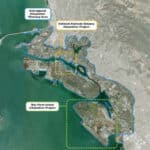
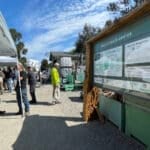
The December 2025 “Shoreline flood protection” workshop identified four shoreline adaptation planning and construction projects totaling $290 million. It is now state law that cities must have shoreline adaptation plans approved by 2034. The City doesn’t even have full funding for planning, let alone doing any of the actual construction. And the above figure doesn’t cover an upgraded citywide stormwater system to prevent street flooding and property damage.
Then there’s the City’s questionable inclusion in its promotional materials of “Providing earthquake-safe backup power so our bridges can operate during emergencies and power outages.” Alameda’s four traffic drawbridges are operated and maintained by the Alameda County Public Works Agency. One of them, the Bay Farm Island Bridge, is owned by the State of California since it is part of a state highway. It is not the responsibility of Alameda taxpayers to cover the cost of backup power systems for county and state drawbridges.
The goal of the measure currently being touted by City staff is a take-it-or-leave-it proposal that can be boiled down to an overly-broad blank check for backfilling the City’s annual budget for capital improvement projects.
Now that the City has identified and categorized the infrastructure needs, City Council will need to prioritize. It is yet to be seen if voters in November will be voting on one all-in-one bond measure, or voting on a more targeted measure.
Contributing writer Richard Bangert posts stories and photos about environmental issues on his blog Alameda Point Environmental Report. His writing is collected at AlamedaPost.com/Richard-Bangert.
Editorials and Letters to the Editor
All opinions expressed on this page are the author's alone and do not reflect those of the Alameda Post, nor does our organization endorse any views the author may present. Our objective as an independent news source is to fully reflect our community's varied opinions without giving preference to a particular viewpoint.
If you disagree with an opinion that we have published, please submit a rebuttal or differing opinion in a letter to the Editor for publication. Review our policies page for more information.
