At its meeting on Tuesday, February 11, the Alameda Unified School District (AUSD) Board of Education discussed Measure I and Measure B expenditures and explored student and District progress information from the California School Dashboard.
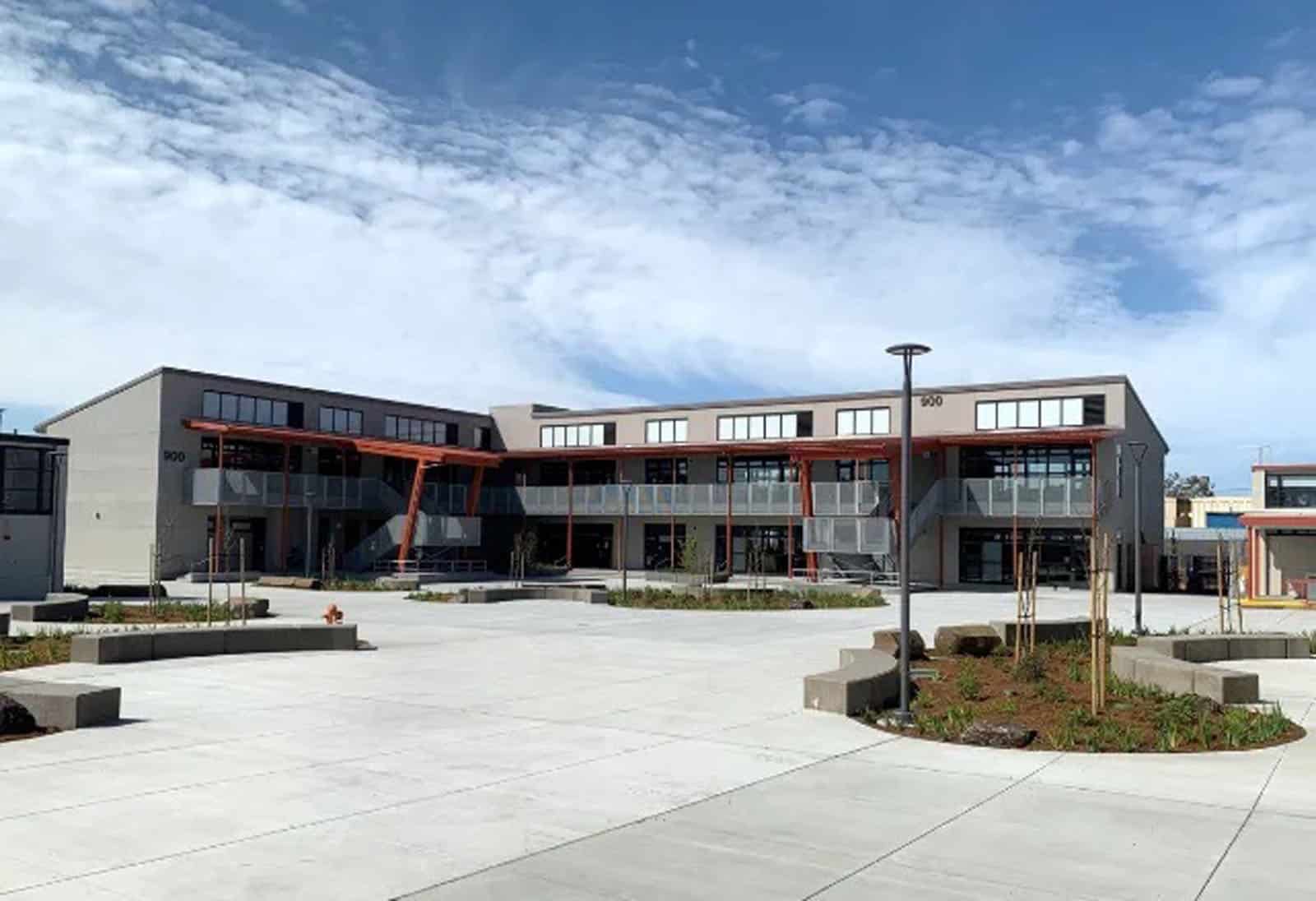
Measure I and Measure B Projects
In November 2014, Alameda voters passed Measure I, a $179.5 million bond measure designed to improve quality of education by renovating neighborhood schools. In 2022, the further approval of Measure B authorized an additional $298 million to fund a “Phase 2” of modernization and upgrades.
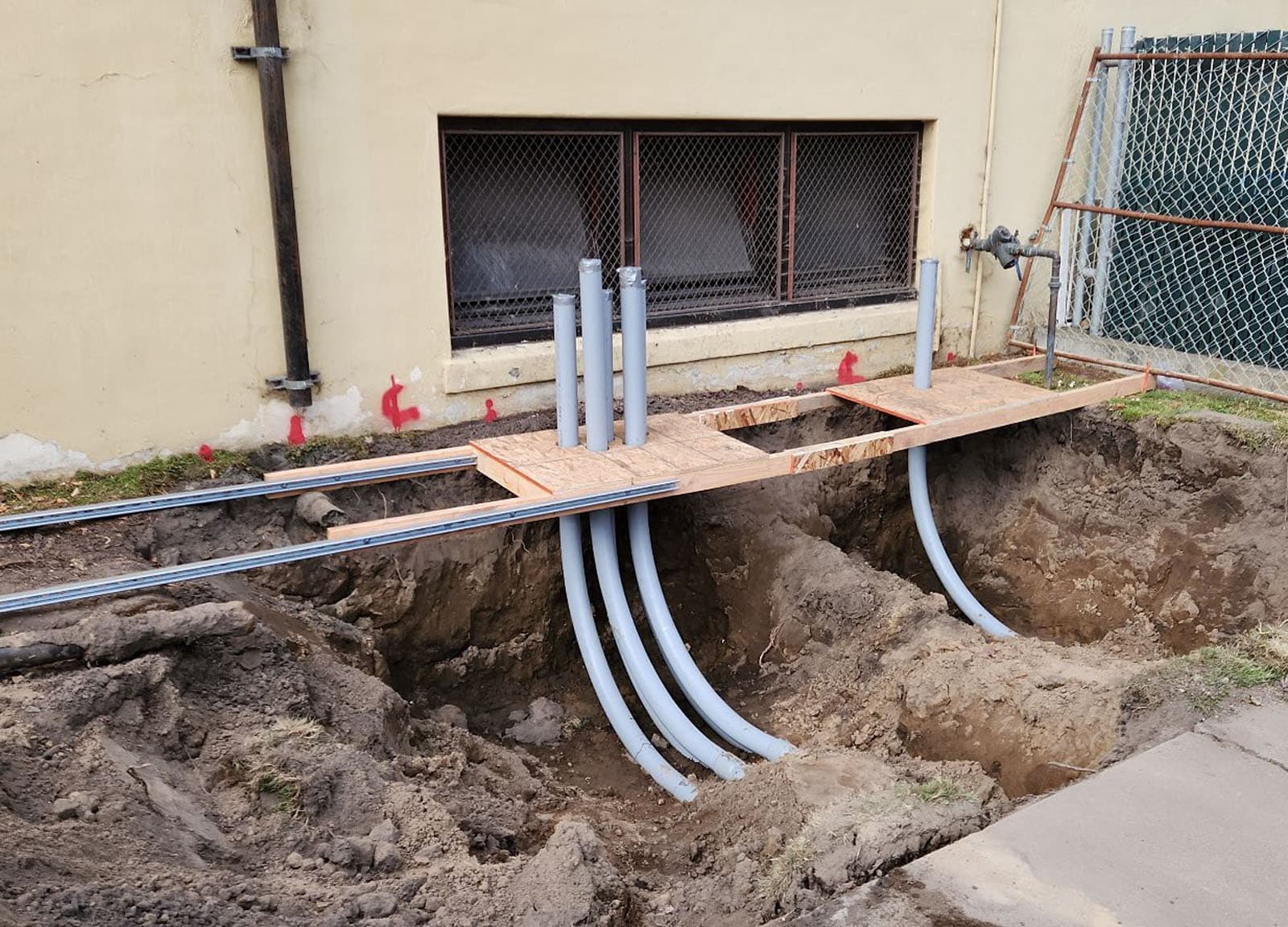
During the latest Board meeting, members of the Citizens’ Bond Oversight Committee highlighted to the Board the various projects in the past decade that were made possible by voters. Committee member John C. Baum explained that as of June 2024, about $173 million of Measure I funds had been spent on various roofing, accessibility, and structural improvement projects at schools across Alameda. Recent Measure I projects include facility improvements at Earhart Elementary School and HVAC upgrades at the Longfellow campus.
The $80.8 million Wood Middle School Modernization Project is jointly supported by Measure I and Measure B funds. Upgrades to athletic facilities at Encinal Jr. & Sr. High School and Alameda High School are also underway thanks to Measure B.
Board members thanked Committee members for their work.
“I know you’re all volunteers here as part of the process,” said Clerk Heather Little. “But as we know, we couldn’t do this work without you.”
“I have an interest because I have two children who have gone through the District,” Baum responded. “So it is personal for many of us for all the different reasons.”
California School Dashboard results
Lindsey Jenkins-Stark, AUSD Senior Manager of Data, Assessment, and Research, then presented the District’s performance as reported on the California School Dashboard, an online tool that gives parents and educators access to data on school and district performance so they can make informed decisions to improve student learning.




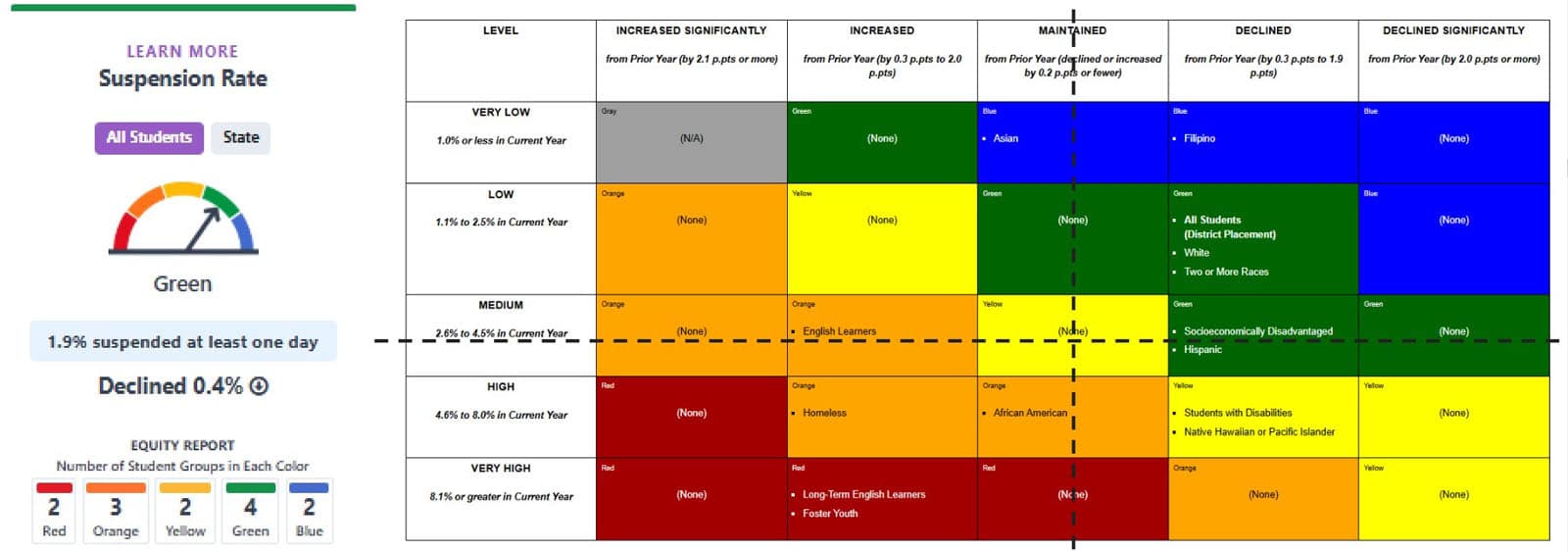
The Dashboard uses 11 State and Local Indicators to measure student academic achievement, engagement and climate, and college readiness. Using a five-by-five matrix, each indicator highlights the level at which student groups of different socioeconomic backgrounds experience or achieve the indicator, and the difference in points of achievement compared to the previous year.
For example, AUSD ranks in the “Green” category overall under the “Suspension Rate” indicator. Students who identify as White, Asian, Filipino, or “Two or More Races” had suspension rates that ranked “Low” to “Very Low,” and which either declined or were maintained compared to last year. However, students who identify as Homeless, Long-Term English Learners, and Foster Youth had suspension rates that ranked “High” to “Very High,” and which increased compared to last year.

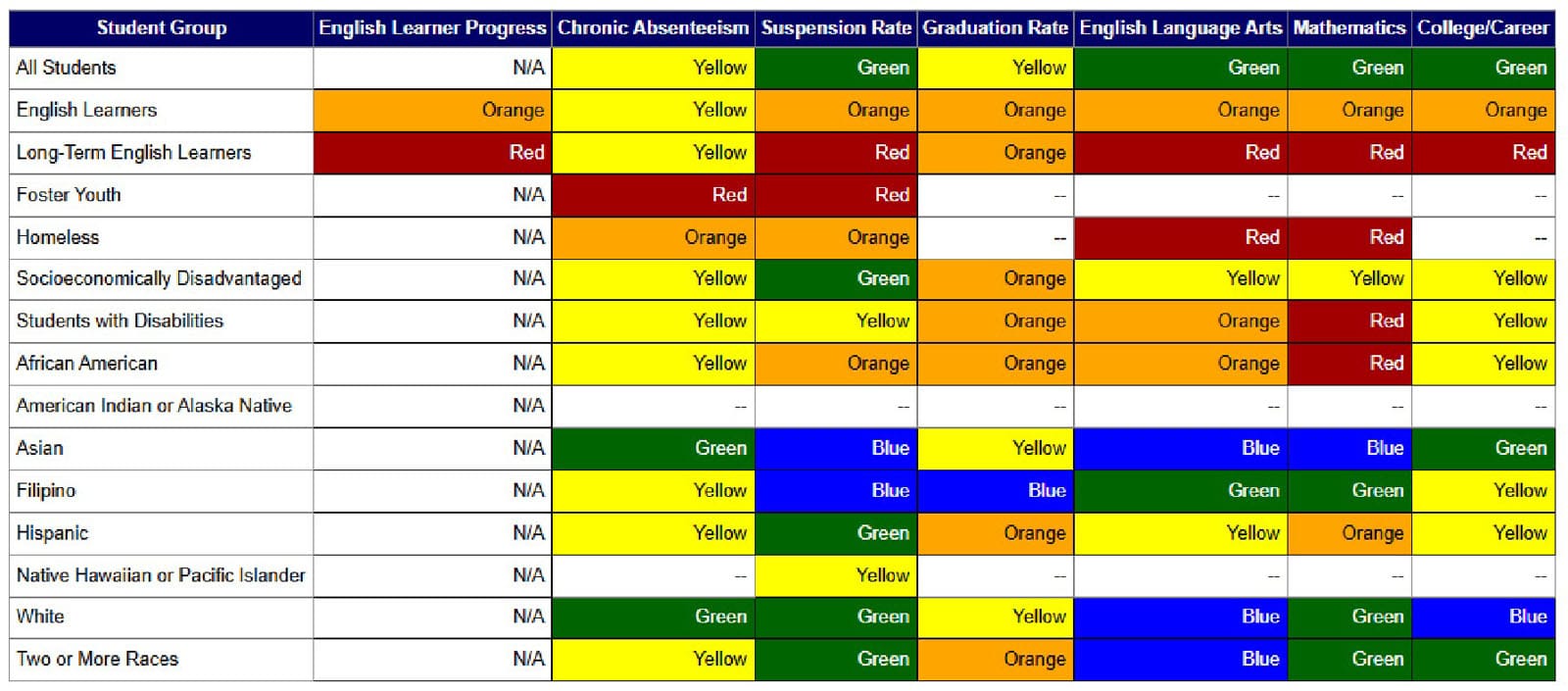
Overall, AUSD outperforms statewide averages, particularly when it comes to the college/career readiness, English Language Arts (ELA), and Mathematics indicators. But in echoing similar sentiments following Jenkins-Stark’s presentation on Smarter Balanced Assessment trends in November 2024, Superintendent Pasquale Scuderi highlighted the persistent opportunity gaps between student groups, particularly for students who identify as African American, who experienced performance declines in the ELA, Mathematics, and Graduation Rate indicators.
“We need to tighten up on two major pinch points where some of the kids we’re talking about are impacted,” suggested Scuderi. “Number one is reading by third grade, and number two, making sure that our students are prepared to pass ninth grade math in greater numbers. Those are gatekeeping proficiencies we need to focus on.”
Scuderi emphasized that these action items do not exclude the importance of other initiatives to address achievement gaps, but that resources and staffing must be balanced to prioritize the most impactful approaches. He proposed a framework through which the Board and District team communicate a cohesive vision to a “strong school principal” at each school site, who then helps school leadership and teacher teams incorporate those goals into professional development and instruction.
“We’ve got to do better. Nobody is pleased looking at that data,” concluded Scuderi. “We can say it’s a statewide problem, it’s a national problem. But it’s what’s in front of us and it’s what we have to get ahead of.”
Other notable iItems
- Kirsten Zazo, Assistant Superintendent of Educational Services, provided the Board with a mid-year progress update for the Local Control and Accountability Plan (LCAP).
- The Board granted easements to Alameda Municipal Power at Franklin Elementary School, Encinal Jr. & Sr. High School, Longfellow Campus, and Wood Middle School to allow the utility to service electrical lines on District property.
Ken Der is a contributing writer for the Alameda Post. Contact him via [email protected]. His writing is collected at AlamedaPost.com/Ken-Der.

