At its meeting on Tuesday, May 12, the Alameda Unified School District (AUSD) Board of Education heard staff’s recommendation for the new English Language Arts (ELA) curriculum starting with the 2026-2027 school year.
New ELA curriculum
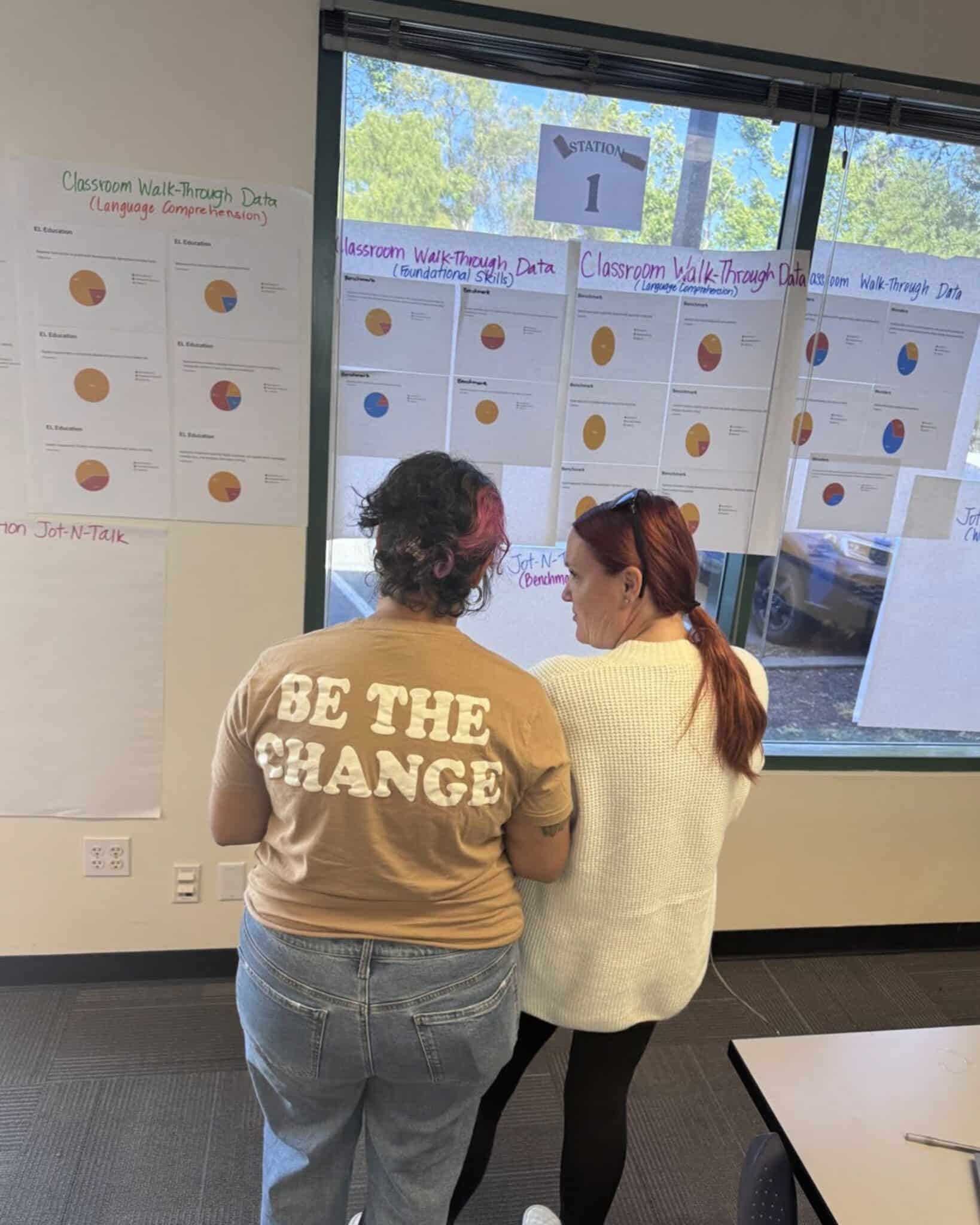
After more than a year of research and collaboration that included the piloting of three different ELA curricula, AUSD staff recommended that the Board adopt Benchmark, developed by the Benchmark Education Company, as the new ELA curriculum.
The process began in early 2025, following the creation of a literacy framework and a Literacy Theory of Action that serves as a “north star” to address learning gaps and help students achieve grade-level reading proficiency by encouraging early reading success. In the last year-and-a-half, staff conducted research, engaged with neighboring districts, and ultimately narrowed down three curricula to pilot and brought together 31 teachers across seven elementary school sites to lead the effort in classrooms. During this current 2025-2026 school year, teachers launched the school year using Wonders (developed by McGraw Hill), pivoted to Benchmark in November, and switched finally to EL Education in February.
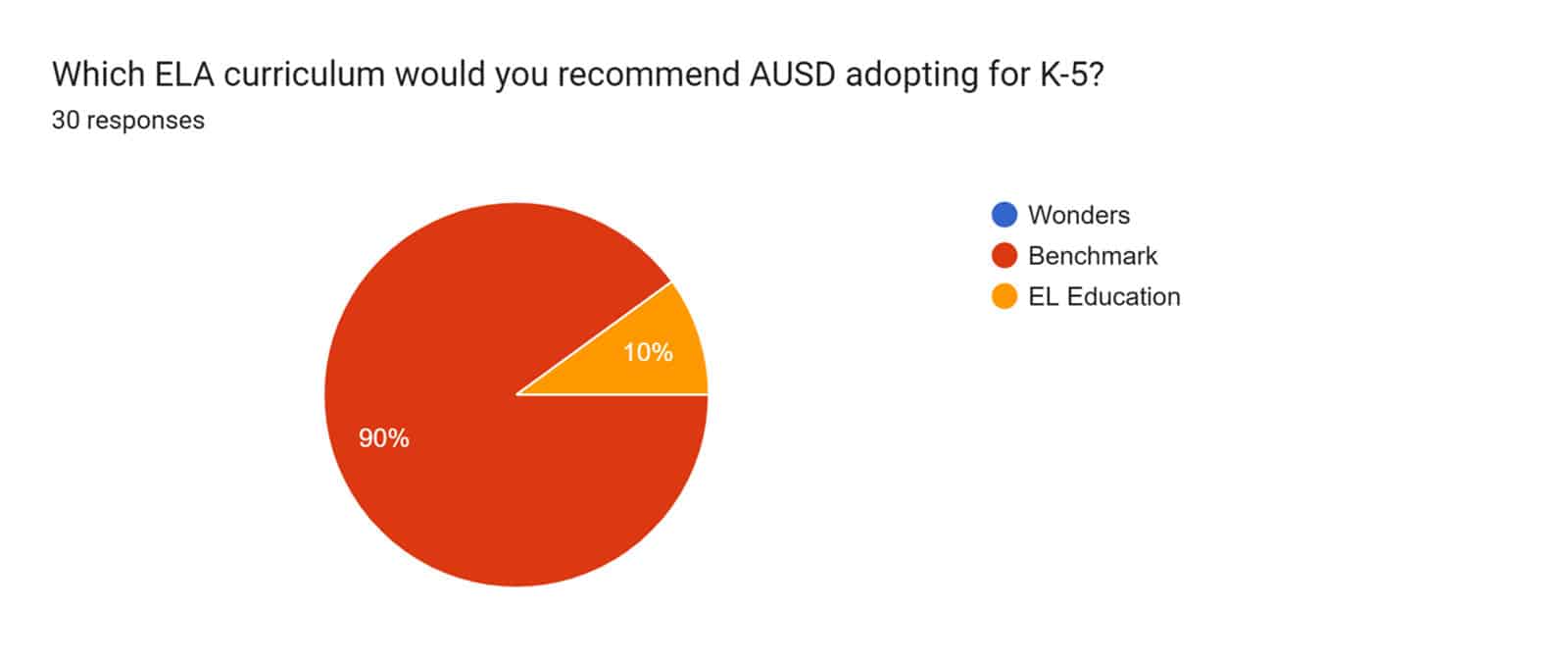
A steering committee helmed by district staff collected feedback from teachers using a rubric that weighed the degree to which lessons from each curriculum were grade-appropriate; diverse in genre, complexity, and culture; and helped develop phonological and phonemic awareness. In the end, 90% of teachers suggested that the district adopt Benchmark, whereas only 10% supported EL Education, and none were in favor of Wonders.
During the meeting, Otis Kindergarten teacher Esperanza Mendez explained why she enjoyed teaching with Benchmark.
“I found it easy to use, well-organized, and engaging for both teachers and students,” Mendez said. “I also appreciated that the curriculum is culturally responsive and includes diverse texts and perspectives that help students feel represented in their learning.”
During public comment, Emily, a parent of students at Paden School, questioned whether Benchmark was the best choice and asked the Board to postpone a vote for approval. She disliked that Benchmark does not include full novels in the curriculum and pointed out that it is not a curriculum that other states—particularly those that have seen the greatest gains in reading progress—commonly utilize in classrooms.




Board Clerk Jennifer Williams echoed those concerns during Board discussion. In response, Shana Riehart, AUSD Coordinator of Language and Literacy, explained that Benchmark includes passages from novels and indicated that AUSD staff will work to proactively include the teaching of full novels, perhaps selected from those very excerpts so that students can engage with the texts directly. And to Trustee Carrie Hahnel’s questions on the effectiveness of Benchmark, Riehart confirmed that Benchmark is on the state’s approved list of ELA curricula and that the company behind the curriculum continues to make updates in response to ever-changing guidance on how to best support students.
The vote to approve Benchmark will be brought back to the Board as part of the consent calendar for its May 26 meeting. The total cost to implement the curriculum over the next three years is estimated to be approximately $1.4 million.
Other notable items
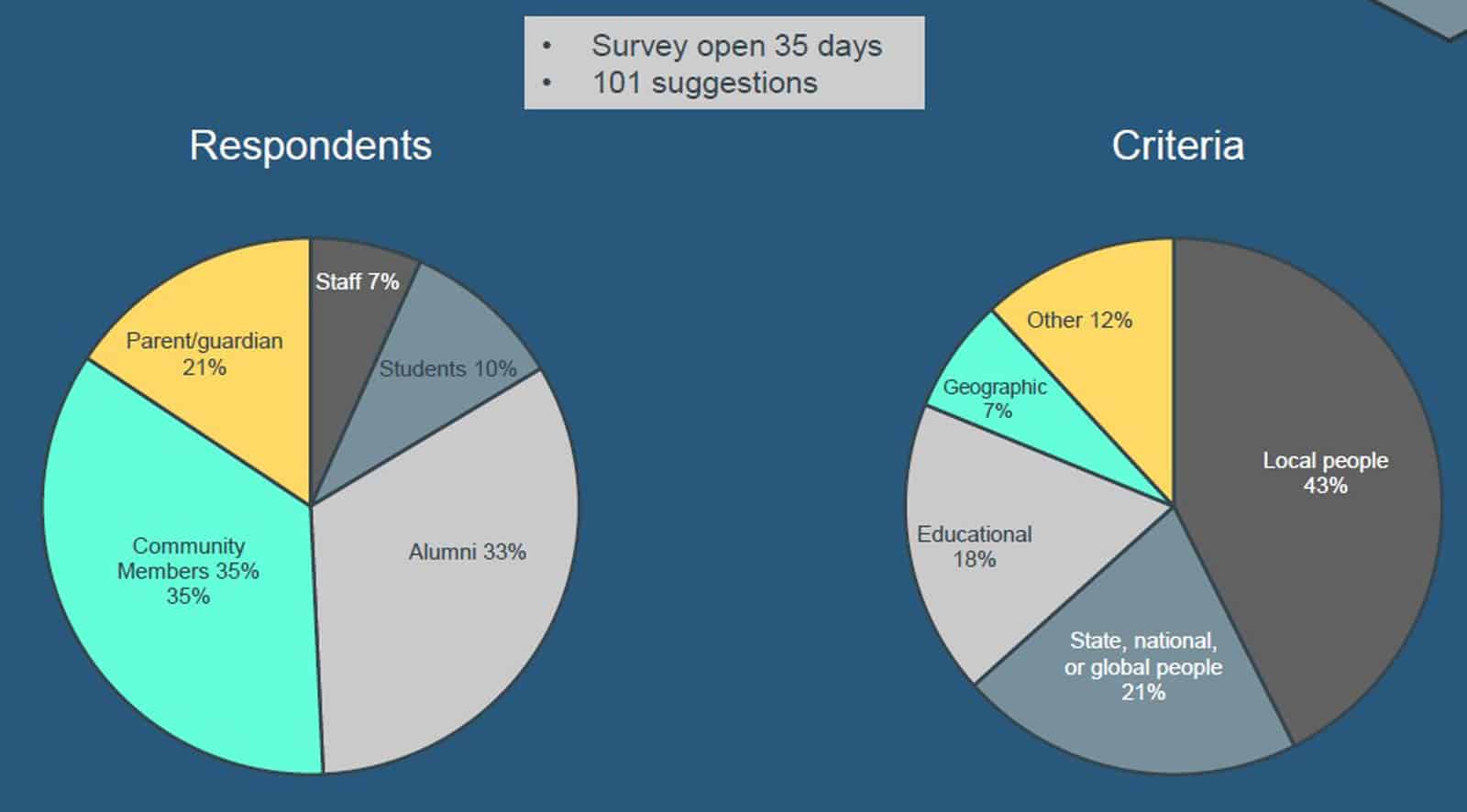
Later in the meeting, Susan Davis, AUSD Senior Manager of Community Affairs, revealed the shortlist of names for the new athletic field at Encinal Jr. & Sr. High School. The process, launched in January, convened a committee of current and former Encinal staff and alumni to review names submitted by community members—students were invited to join the committee but none participated. The committee decided to focus on honoring educational values and school spirit rather than any one individual, and submitted the following names for consideration by the Encinal community:
- Jet Pride Field
- Jetway Field
- Jet Field
The Board will vote to select the name at a future meeting, likely in June.
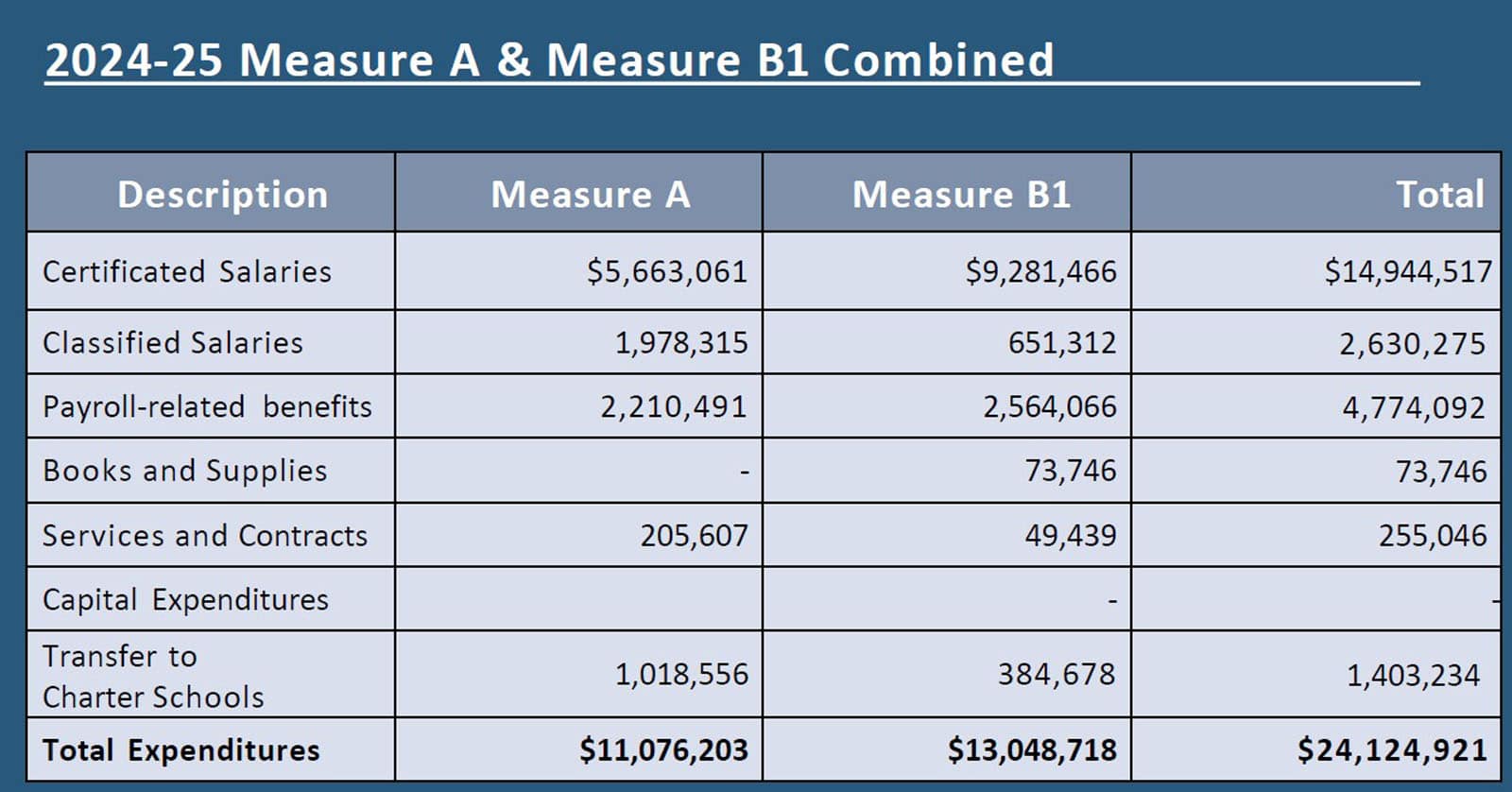
The Board also heard reports on revenues and expenditures of Measure B1 (2016) and Measure A (2020) parcel taxes during the 2024-2025 school year. And in the second of five presentations ahead of the 2026-2027 budget adoption in June, Assistant Superintendent of Business Services Shariq Khan detailed the allocation of various categorical (or restricted) funds to serve the special needs of students that are not covered by general fund programs.
Ken Der is a contributing writer for the Alameda Post. Contact him via [email protected]. His writing is collected at AlamedaPost.com/Ken-Der.

