It might be too much to declare Alameda to be a renaissance town, but having conducted 52 of these 5Q4 interviews over the years, I am constantly astounded by the incredible breadth and depth of talented people roaming our streets, sitting in our coffee shops, and creating remarkable art. My 53rd interview is with Robert Campos and Donna LoCicero, two documentary filmmakers who have been telling factual cinematic stories for decades. Together they have won an Emmy award, a Peabody award, a Robert F. Kennedy award for journalism, and a Best Documentary Genesis award. But perhaps most famously, these two helped fuel the cultural phenomenon of Shark Week that led, one might argue, to the Sharknado movie and its five sequels. Robert and Donna did not make those films, but laid the groundwork with their contributions to the Discovery Channel series about those big-toothed fish. Enjoy their answers to 5Q4 Robert Campos and Donna LoCicero.

What draws you to a certain project? Is it the story you want to help tell, a specific idea you may have about the telling, or something else altogether?
Donna: Most of the time we stumble upon an idea, bat it back and forth for a while and then decide: This is a story that needs to be told. It’s like being in a conversation with the national zeitgeist.
Robert: I think this has morphed over the years. We’ve changed, and the world around us has changed. The criteria used to be more centered around something that captured our interest. We made a film about the San Francisco comedy scene in the 1980s (3 Still Standing) because we loved the free expression that happened here during those years. We were just moving back to the Bay Area from Florida, and that film was a great way to reconnect with San Francisco. We made a film about the Huichol Indians in Mexico because three friends in a row told us about this tribe we had never heard about before, so we figured they must be calling us to do this. One of the early docs we made, for the Food Network, was about eating competitions. We did that because Donna read an article about the competitors and every time we read the article we couldn’t stop laughing.
Right now, we’re working on a film called Breaking Bread with Strangers, because it seems that between the effects of social media and the divisiveness of our political system in the U.S., Americans aren’t talking any more. We’re working on another project called Fresh Outta Rehab because some 90% of people relapse when they first leave treatment for drug addiction. We’re asking people who have left treatment, certified peers and experts to talk about how to surmount the challenge of staying sober when you’re returning to all the triggers that got you addicted in the first place. So, today’s projects are focusing on what we see as important needs. We’re living through some tense times in this country. We hope we can help in our own small way.

From the first idea jotted down on a napkin to the completion of the project and receiving of awards, what’s the best part of making a movie?
Robert: The best part of making a movie is exactly what you just said. It has this trajectory from a snippet of a conversation one night over dinner, a note jotted down, all the way to 500 people watching it in a dark theater. Along the way there are so many surprises. No matter how much you plan, nothing ever turns out exactly like you expect. And that’s the thrill of it. It’s always more interesting, richer, full of surprises and contradictions, which often feels like a mini version of life.
Donna: I think I actually like that note jotted down during dinner best. When you discover an idea that’s full of promise and possibility and you’re just in the dreaming stage, that’s such a great moment in time.
And then there are moments during the edit, when the words and the picture and the music hits just right and you feel a wonderful serendipity at play. It’s like magic!
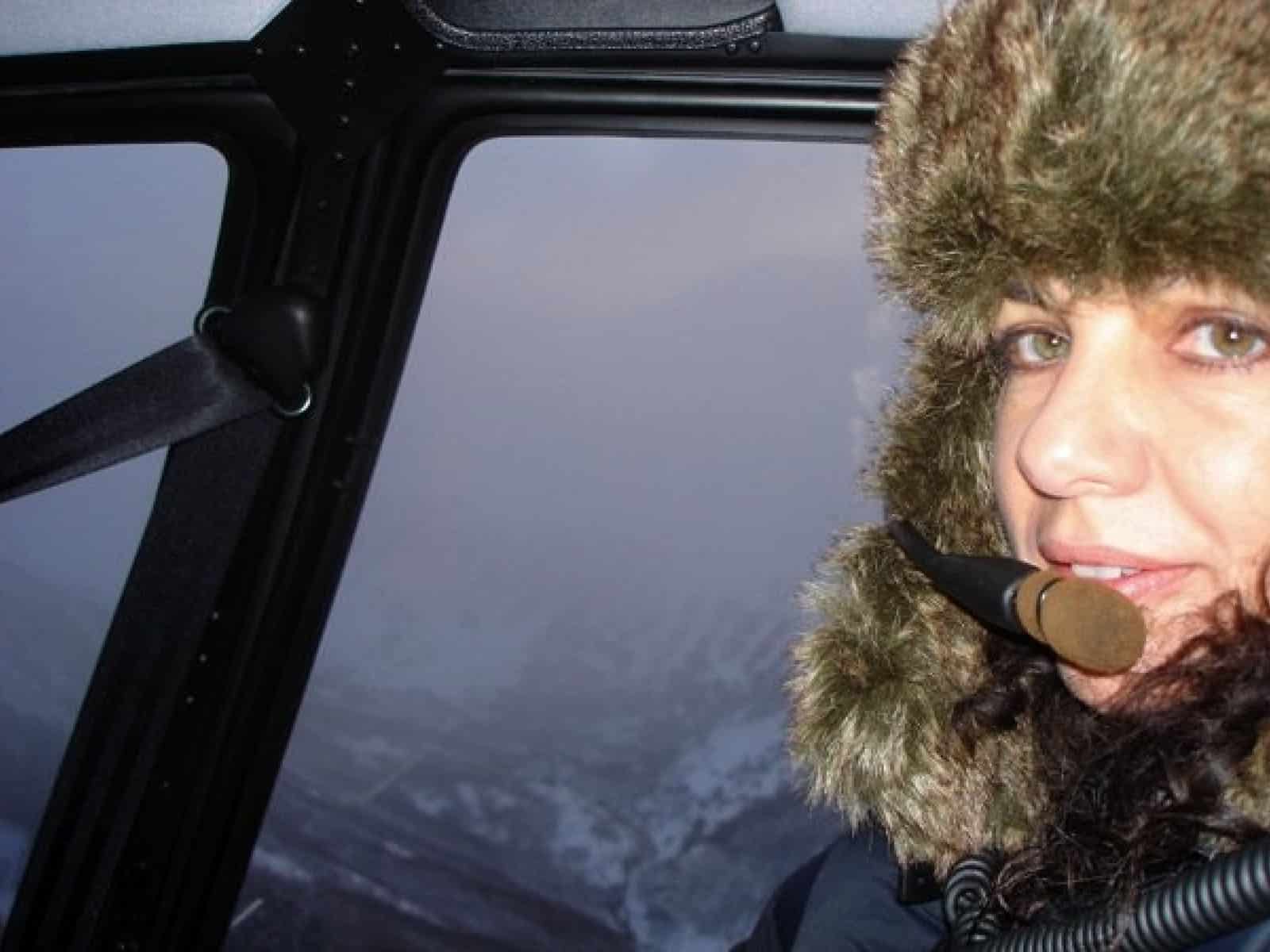
Forgive the sea metaphor, but like with Hemingway’s The Old Man and the Sea, is there one big project out there you hope to do some day before you retire?
Donna: I don’t think we understand the word “retire.”
But to answer your question: Not really. I used to get my heart set on an idea and then begin the tedious process of writing up a pitch, sending it around and waiting and waiting for tv executives to get interested. Now, with the rise of the internet, we can make documentaries without waiting for permission. Usually, it doesn’t pay as well but it’s very fulfilling.
Right now we’re working on a doc called Breaking Bread with Strangers, five people of diverse backgrounds, ages, and political views having a conversation about the state of the world. I’m very excited about it.
Robert: I started out this journey wanting to make feature films. I remember that watching the movie Gandhi and being immersed in India and this spiritual leader’s life for 3+ hours felt so rewarding. I have a friend who has made feature films most of his career. Being on the set of one of his films felt like nothing much was happening, whereas on a documentary shoot, all our cylinders are firing all the time. As a process, it’s absorbing and wonderful.
Having said that, is there a fiction film that I would like to make one day? It seems that the ideal mix for me is documentary and fiction. Donna and I wrote a script about the Gold Rush that we would like to revisit one of these days. I have another script (much older) about the flight home from Texas aboard Air Force One, immediately after JFK was shot and killed. Vice President Lyndon Johnson, Lady Bird, and Jackie, along with their respective teams, are all on the plane. It was the only moment in history when two presidents were aboard Air Force One. That script has been in a box for a couple of decades. Is one of those something I’d like to wrangle like the marlin in The Old Man and the Sea? We shall see.
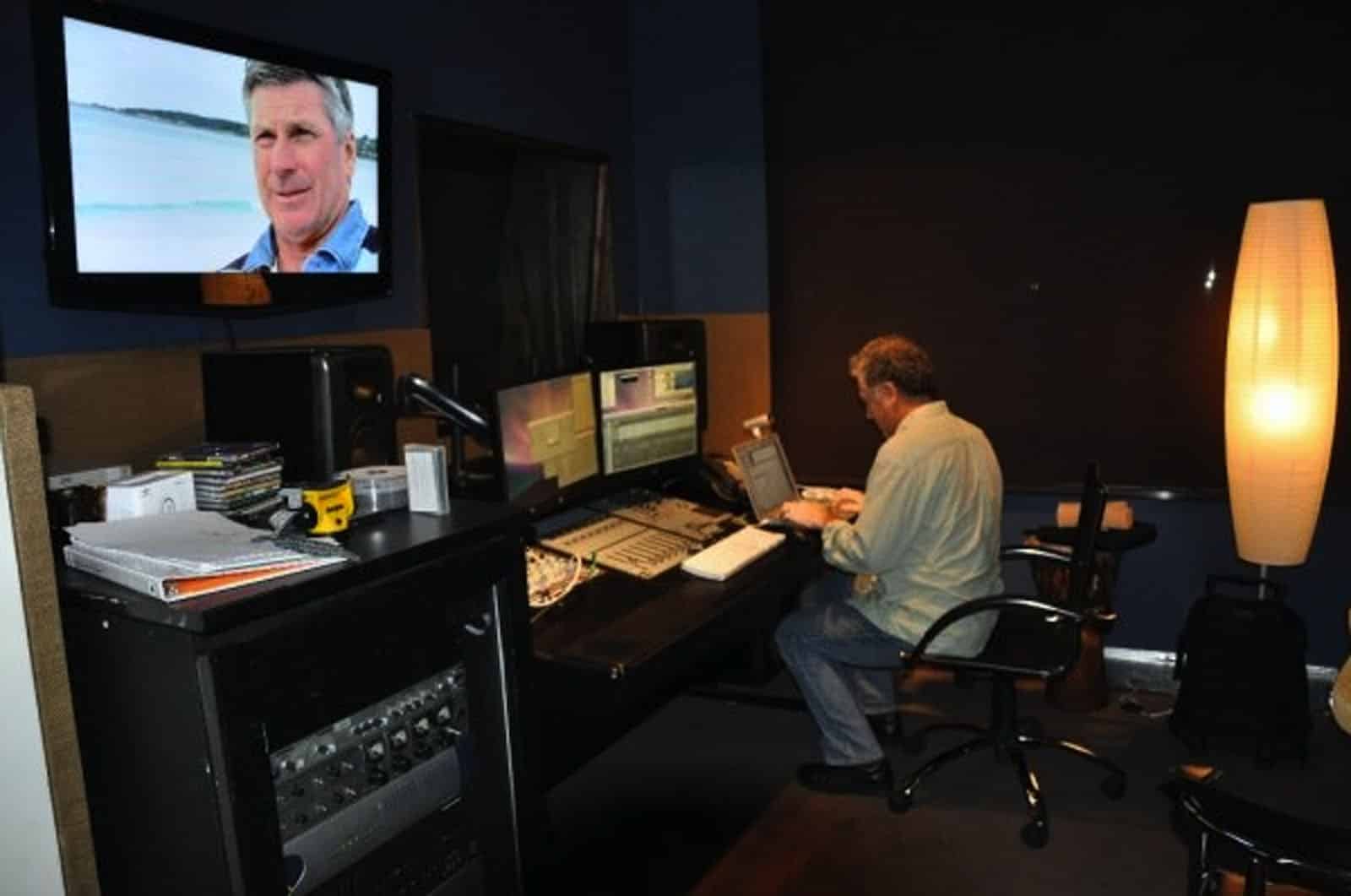
How has technology and equipment made filmmaking easier or better than when you began? Do you need a smaller van to hold everything than you used to back in the day?
Robert: We downsized to a small sedan! Everything is smaller. We used to travel with a team and 50 cases of gear. Now, much of the key filming/editing gear for a smaller documentary shoot fits in a small car. The thing is, when we had 50 cases, we had a whole crew. Now, two or three of us can handle the whole gear package.


I had my first media job in TV news at KRON in San Francisco. As a production assistant, I ran all over that building, from the news department, up the spiral staircase to the studio, up the elevator to the art department. At each stop there were different people I talked with and worked with. Now, much of that is computerized. The cameras in the studios are remote controlled. It’s a little sad to see what was once a big symphony turn into a much more “solo” and lonely affair.
On the bright side, we were on a farm in Texas and Donna went for a walk in a field with a woman who was working on the farm that day. Donna had a little camera. The resulting interview was so refreshing! Free of any sense of being on camera. I love that we can now have lots more intimacy with people we talk with.
Donna: And then there’s research and editing—we can do both from home now.
What story from which documentary project have you told the most at cocktail parties?
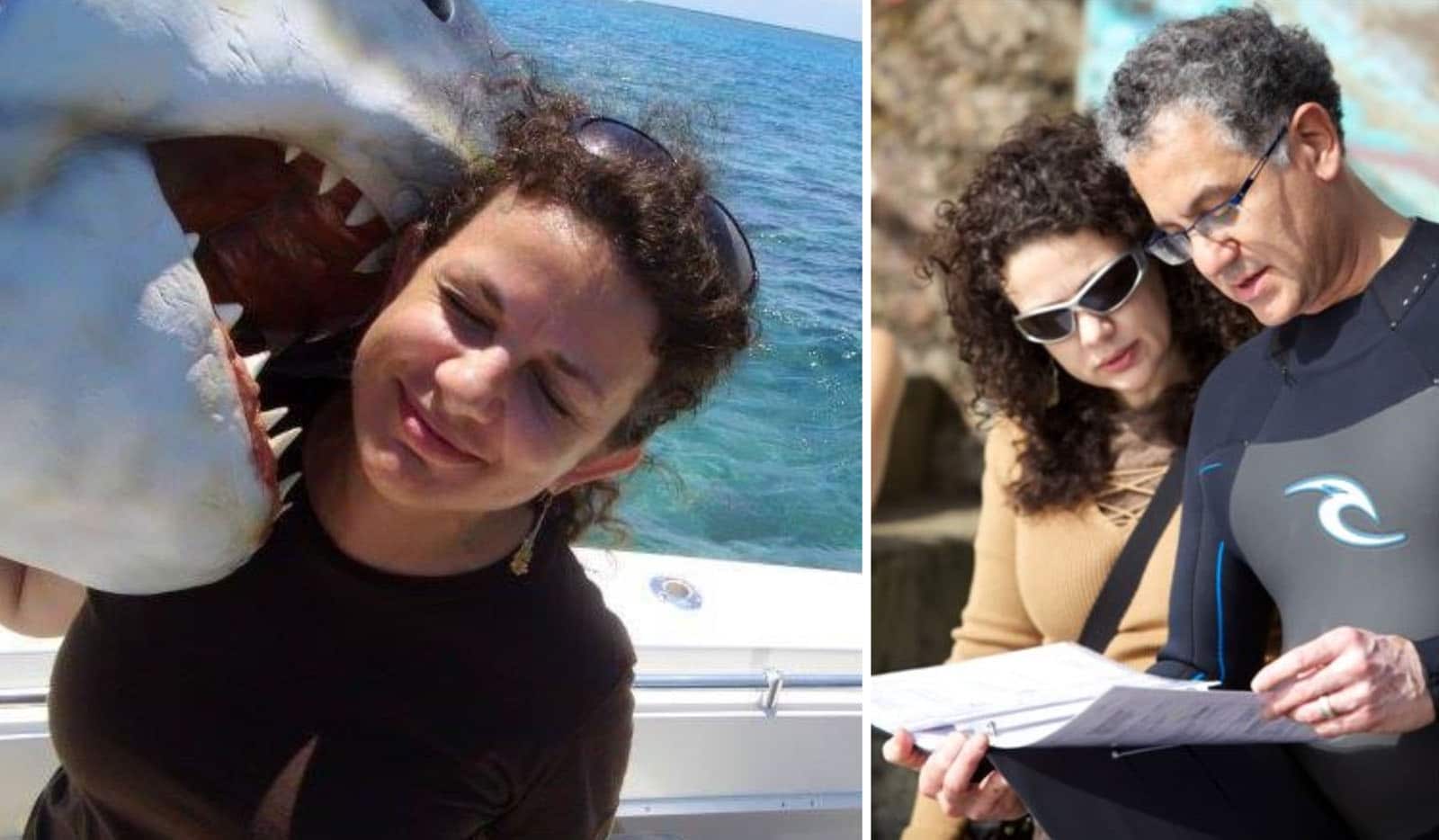
Donna: We have so many stories it’s hard to say. Kids wanna know the secret recipe for creating fake blood that we know from our Shark Week documentaries. (Aside from the obvious red food dye, the key is Hershey’s chocolate syrup and corn syrup.)
A lot of adults want the skinny on our trip to the Mexican border with Robert Kennedy Jr.. There were a lot of misconceptions about what went on at the border in recent years. And we all went down to Yuma, Arizona, not knowing what to expect but a lot of curiosity. We spoke with everyone we could: city council and the mayor, farmers, social workers, former border patrol. Everyone told us a similar story; they were overwhelmed and needed help. And then under extremely heavy security, we went to a hole in the wall well after midnight because that’s when the cartel vans drop people off. Hundreds of people were there with more and more showing up. They were from all over the world including large groups from Senegal in West Africa and Azerbaijan. No one that night, surprisingly, was from Mexico or Central America.
Robert: We tend to think of some of the people we’ve profiled in our docs as part of our extended family, because we spend months with them during the project, and then they live on in our minds for many years, sometimes forever. This one guy comes to mind: Whitney Donahue. We were asked to make a documentary about the D.C. Sniper. The country had been through 9/11, the anthrax powder showing up in people’s mail, and now someone was shooting people—seemingly at random—in the greater DC area. The detectives we interviewed were moved to tears when they talked about how helpless they felt in the face of this terror that was sweeping their home turf. A man was shot and killed while mowing a lawn. Another was taken down while pumping gas. A man was putting Home Depot purchases into his van with his wife. He and his wife switched places to try to wedge a large item into the van and his wife was killed instantly.
This went on for weeks, and after some confusion about the potential vehicle (a white van was suspected at first) detectives finally got a good lead on a blue [Chevrolet] Caprice. Late one night they put the word out on radio and asked listeners to keep a sharp eye out for the license plate. Whitney Donahue, a refrigerator repair man, is driving home late from a job, tired from a long day. He decides to stay awake by looking for the license plate he hears on the radio.
Some time later, he pulls into a rest stop, and he spots the plate. He can’t believe it. He looks again. Then he calls the FBI. They ask him to look once more to reconfirm. He’s afraid they’ll spot him, so he jots the plate number down and asks a truck driver to check the plate on his way out of the rest stop and give him a sign if it’s correct. The trucker stops behind the car, sees the plate, and then pulls hard on his air horn! Whitney is sure he’ll be the next victim of these killers. He’s very nervous now and calls the FBI back.
At this point, he’s the only person with eyes on the suspect vehicle, so they ask him to stay put until they get there. They need to block highways and set up a perimeter. It’s a big task force: SWAT teams, K-9 units, helicopters. Whitney stayed on the phone with detectives for nearly three hours while the whole operation played out—until well after 3 a.m.
When he got home, his wife remembers Whitney pacing around the house for a while, processing what had just happened.
Donna: But at first his wife didn’t believe him. “You came home at dawn, you didn’t call, because you were out playing superhero??! Gimme a break.”
Gene Kahane is the founder of the Foodbank Players, a lifelong teacher, and former Poet Laureate for the City of Alameda. Reach him at [email protected]. His writing is collected at AlamedaPost.com/Gene-Kahane.

