On Tuesday, September 2, City Council held a public hearing to consider an appeal of the Planning Board’s June 2025 approval of a use permit to allow extended operating hours and the sale of packaged food and non-alcoholic beverages at the Mobil gas station at 1310 Central Avenue.
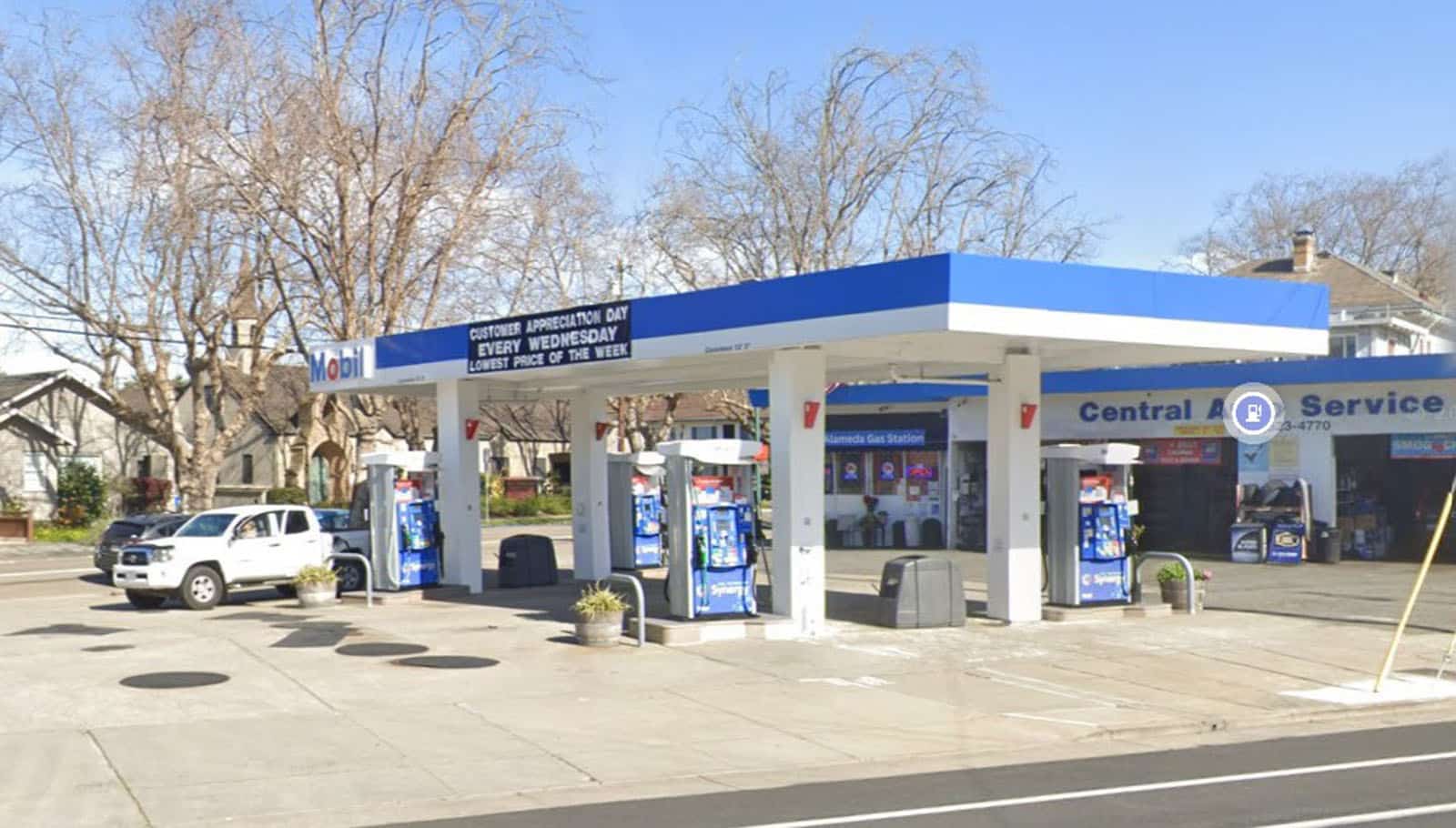
The appellant, Leland Price, lives near the gas station and filed the appeal seeking to reverse the Planning Board’s decision. Under Alameda Municipal Code, City Council may review the decision along with all pertinent materials and any newly submitted evidence.
Price argued that the Planning Board was not made aware of or did not contemplate certain issues, such as light pollution into the neighborhood, the need to close on Sundays to provide parking for churchgoers at nearby Trinity Lutheran Church, and previous violations of the current hours of operations—which Price claimed as behavior that should disqualify the request to expand hours. He also suggested that the decision is not aligned with the environmental or neighborhood preservation goals in the Alameda General Plan.
“This really shouldn’t be borne by the neighborhood,” added Price, in a statement to Council during the meeting. “This permit expansion is going to subsidize the landlord who is receiving the rent. They are not being asked to lower the rent.”
In his presentation, City of Alameda Planner Brian McGuire responded to Price’s claims, noting that the Planning Board had the opportunity to consider the concerns raised and had the sufficient information it required to make its decision. McGuire also explained that the gas station has been a part of the neighborhood for over 75 years and that the General Plan supports legal-nonconforming neighborhood commercial uses, even if the property is currently zoned for residential use.
Qais Ahmed, the owner of the gas station, also spoke at the podium to make his case. He explained to Council that he is currently struggling to pay rent and property taxes and felt that the additional hours—which many of his customers have repeatedly requested—would help him stay afloat. He also denounced the spread of misinformation through the community during the past few months, including a flyer that falsely claimed the gas station would be open past midnight.
“I’m really struggling and I really need those hours to help me,” said Ahmed. “I promise you; I will not leave it even one minute after the hours I’ve specified. And I’ll be responsible for that.”
Public comment came largely from neighbors of the gas station, and most spoke in opposition of the later hours and sales of non-automotive items in the convenience store. Many expressed worries about light and noise impacts on the neighborhood, increased traffic volumes, and unwanted competition with nearby food vendors, such as A1 Market on Encinal Avenue.
“With the exception of [The Benton]…none of the other businesses in the neighborhood operate on these hours and most are closed for Sunday,” said Bill, a neighbor. “What is being requested is a 50% increase in the weekly hours, and I feel like that is too much.”
“If the business is unprofitable in the existing situation, maybe they just aren’t a profitable business,” added Mark, who has lived on Sherman Street since 1997. “We have seen no evidence that suggests just adding a few more hours is going to solve their problem.”



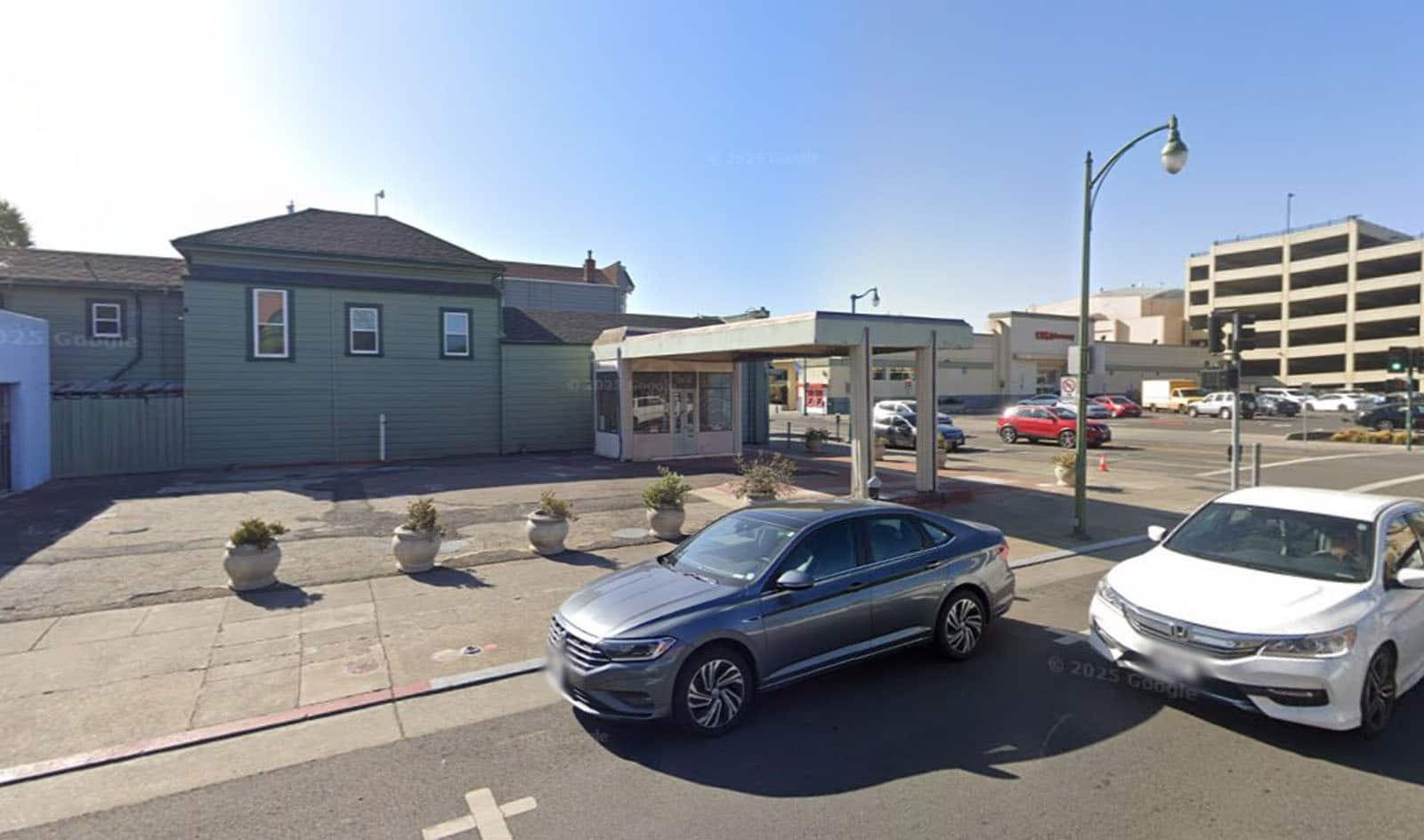
But a few others sympathized with the difficulties of operating a business and raised concerns that if the gas station were to close, it could become a blighted property due to the high cost of repurposing and building on top of gas station sites.
“I’m concerned about the number of local businesses closing and the impact that has on our City,” said Meredith, another public speaker. “Here we have an opportunity to offer one of them some small amount of relief. So let’s give them a shot!”
During discussion, Councilmembers spoke largely in favor of upholding the Planning Board decision. Mayor Marilyn Ezzy Ashcraft, who also lives in the neighborhood, felt that supporting the gas station and its request for extended hours would not be a significant impediment to the community and that there is room for plenty of different uses in the mixed-use area. She also inquired about potential conditions that Council could place on the approval, to which staff suggested the possibility of routine inspections or monitoring to ensure the hours are being followed.
“We must support businesses!” agreed Councilmember Tracy Jensen. “We can’t just say that you meet all the requirements for zoning, but we’re not going to support you because you’re on the wrong block, or you’re in a busy intersection.”
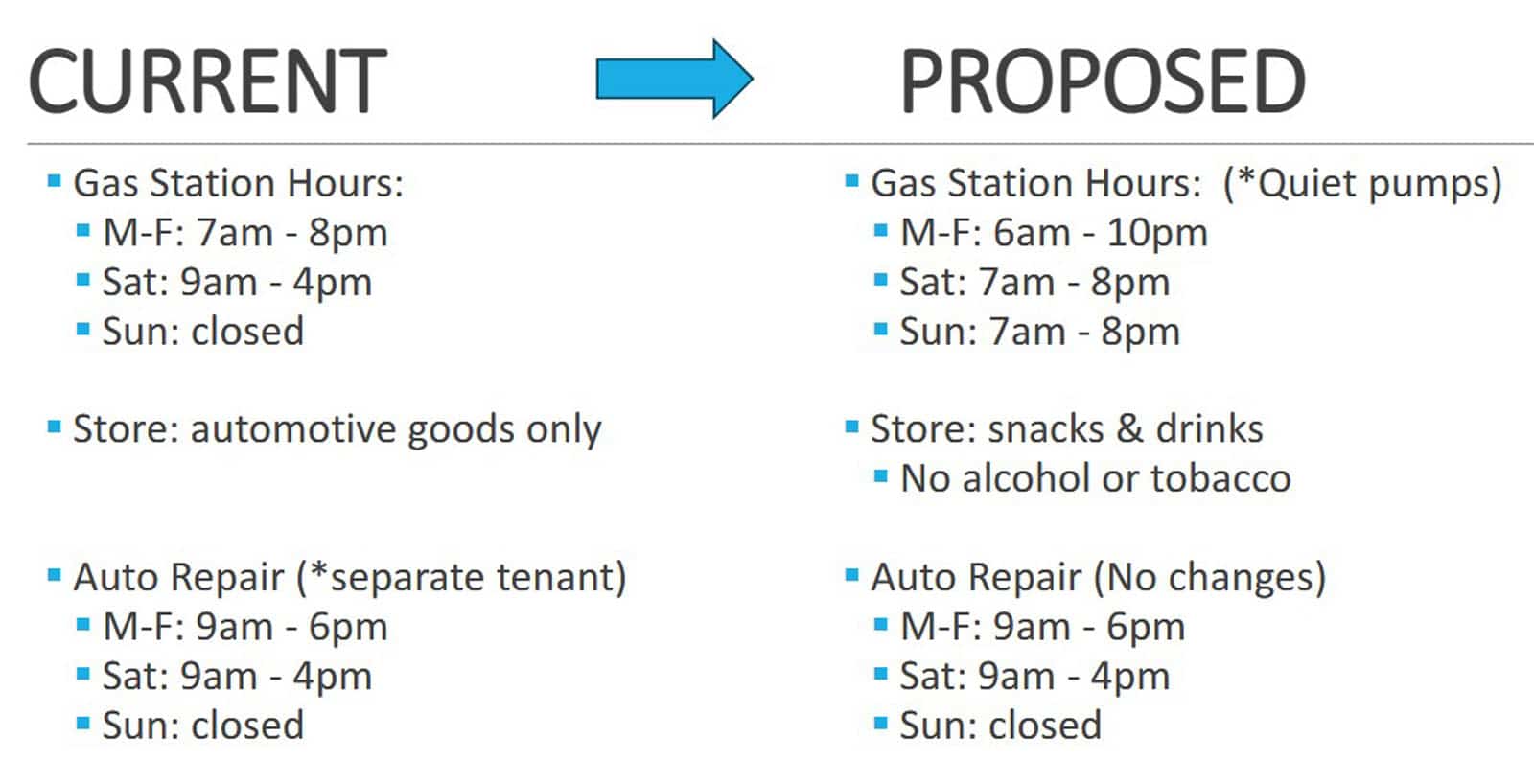
Vice Mayor Michele Pryor and Councilmembers Tony Daysog and Greg Boller each chimed in with suggestions for adjusting the proposed hours, with Daysog’s proposal to modify the hours to 7 a.m. to 8 p.m every day of the week gaining the most traction. Ultimately, Council voted unanimously to move forward with Daysog’s suggestion with a minor change to extend weekday morning hours to 6 a.m. at Pryor’s request, and with the stipulation that all non-gas sales must be conducted within the gas station’s convenience store.
| Existing Hours | Proposed Hours | Final Council Decision | |
| Mon-Fri | 7 a.m. to 8 p.m. | 6 a.m. to 10 p.m. | 6 a.m. to 8 p.m. |
| Saturday | 9 a.m. to 4 p.m. | 7 a.m. to 8 p.m. | 7 a.m. to 8 p.m. |
| Sunday | Closed | 7 a.m. to 8 p.m. | 7 a.m. to 8 p.m. |
Other notable items
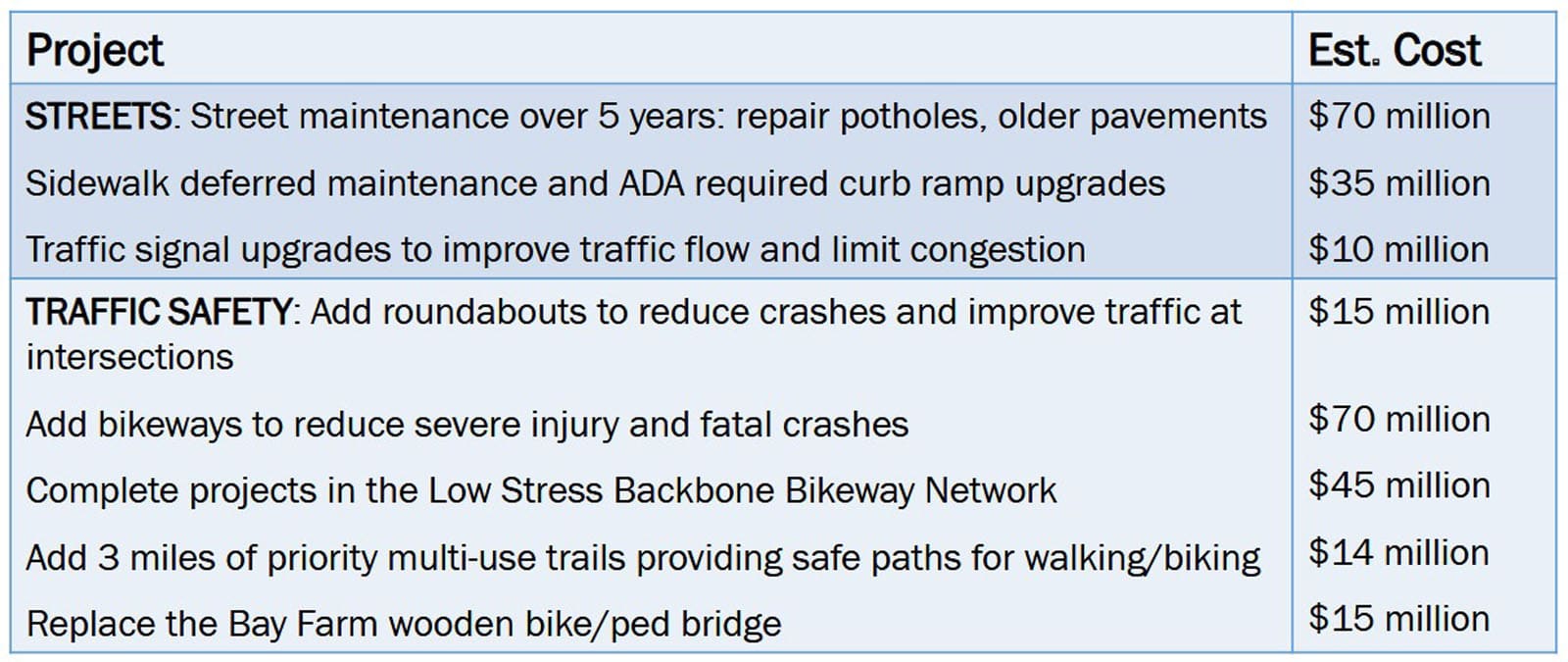
Later in the meeting, City Communications & Legislative Affairs Director Sarah Henry led a workshop to discuss Alameda’s streets and traffic safety needs as part of the Stronger Together effort to examine the City’s infrastructure and facility needs. The intent of the session was to provide an update on potential costs and get Council and community input on what types of roadway projects to prioritize.
The handful of public commenters pushed for traffic calming and speed bumps in neighborhoods, safer streets and intersections, and raising parking rates to help fund pavement management. Councilmembers emphasized taking a data-driven approach, resolving infrastructure issues sooner rather than delaying them, and considering an infrastructure bond to fund projects.
Finally, as part of his final day of employment with the City before his retirement, Development Manager Eric Fonstein highlighted findings from the 12-month Interim Report for Rise Up Alameda, the City’s guaranteed income pilot program. The report found that the pilot, which provided $1,000 per month to approximately 150 low-income households over a two-year period starting in December 2023, allowed recipients greater financial stability, improved mental and physical health, and more time to be involved in community or childcare activities. However, there was no measured impact on recipients’ work engagement, housing outcomes, or food insecurity.
Ken Der is a contributing writer for the Alameda Post. Contact him via [email protected]. His writing is collected at AlamedaPost.com/Ken-Der.

