This month is Plastic Free July, a global movement that encourages people to reduce their use of single-use plastics and adopt more sustainable habits. What began in 2011 as a small campaign in Australia has grown into a worldwide effort involving millions of participants in more than 190 countries. The goal is simple: help people discover practical ways to reduce plastic waste and protect our environment.
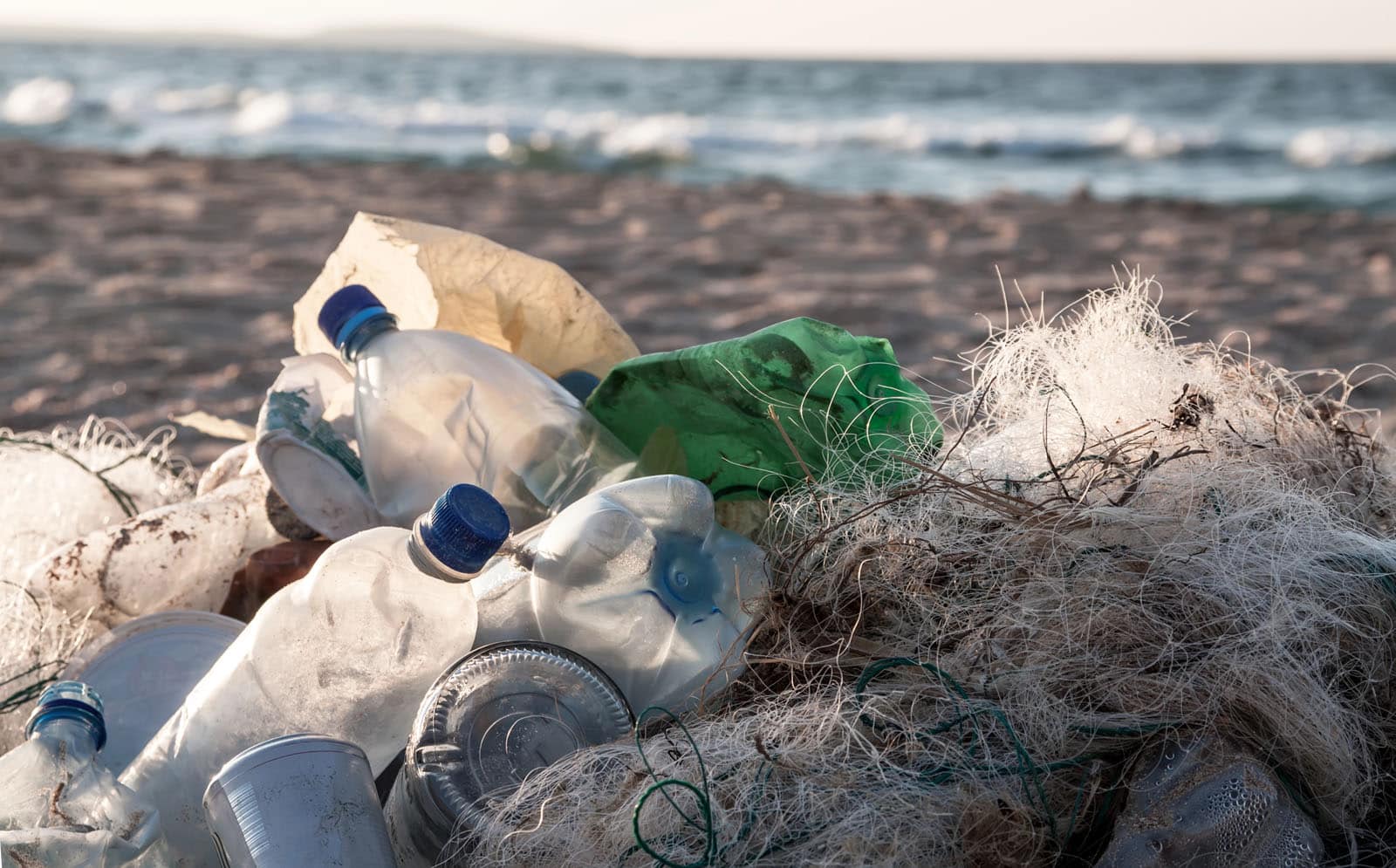
Why focus on plastic? Because plastic pollution has become one of the most significant environmental challenges of our time.
Americans generate hundreds of pounds of plastic waste per person each year, much of it from products used for only a few minutes before being discarded. Plastic never truly disappears. Instead, it breaks down into smaller and smaller pieces called microplastics that can persist in the environment for centuries.
Plastic pollution harms wildlife when animals become entangled in discarded plastic or mistake it for food. It clogs waterways, contributes to litter on our beaches, and damages marine ecosystems. Scientists have also found microplastics in our drinking water, food, oceans, and even the human body. In addition, creating all of that single-use plastic increases greenhouse gas emissions.
The good news is that each of us can make a meaningful difference. Here are some easy ways to reduce plastic consumption this month—and all year long.
Bring your own reusables
One of the simplest ways to reduce plastic waste is to carry reusable alternatives
- Reusable shopping bags.
- Refillable water bottles.
- Travel coffee mugs.
- Reusable food containers.
- Reusable utensils for lunches and picnics.
Keeping these items in your car, purse, backpack, or bicycle basket makes it easy to avoid disposable plastics when you’re on the go.
Skip bottled water
Producing and shipping filled plastic water bottles consumes large amounts of energy and resources. Tap water in Alameda is safe, reliable, tasty, and significantly less expensive than bottled water. Using a refillable bottle can prevent hundreds of plastic bottles from entering the waste stream each year.
Choose products with less packaging
When shopping, look for products with minimal packaging or packaging made from paper, cardboard, glass, or metal.
Consider:
- Buying loose fruits and vegetables instead of pre-packaged produce.
- Purchasing larger containers instead of multiple smaller ones.
- Choosing products packaged in recyclable materials
- Supporting companies that use refillable or reusable packaging, like Replenish Marketplace on Webster Street.
Every purchasing decision sends a message to manufacturers about what consumers value.


Bring reusable produce bags
Many grocery stores now sell lightweight mesh produce bags that can be used repeatedly. A single household can avoid hundreds of thin plastic produce bags each year by making this simple switch.
Be mindful about take-out food
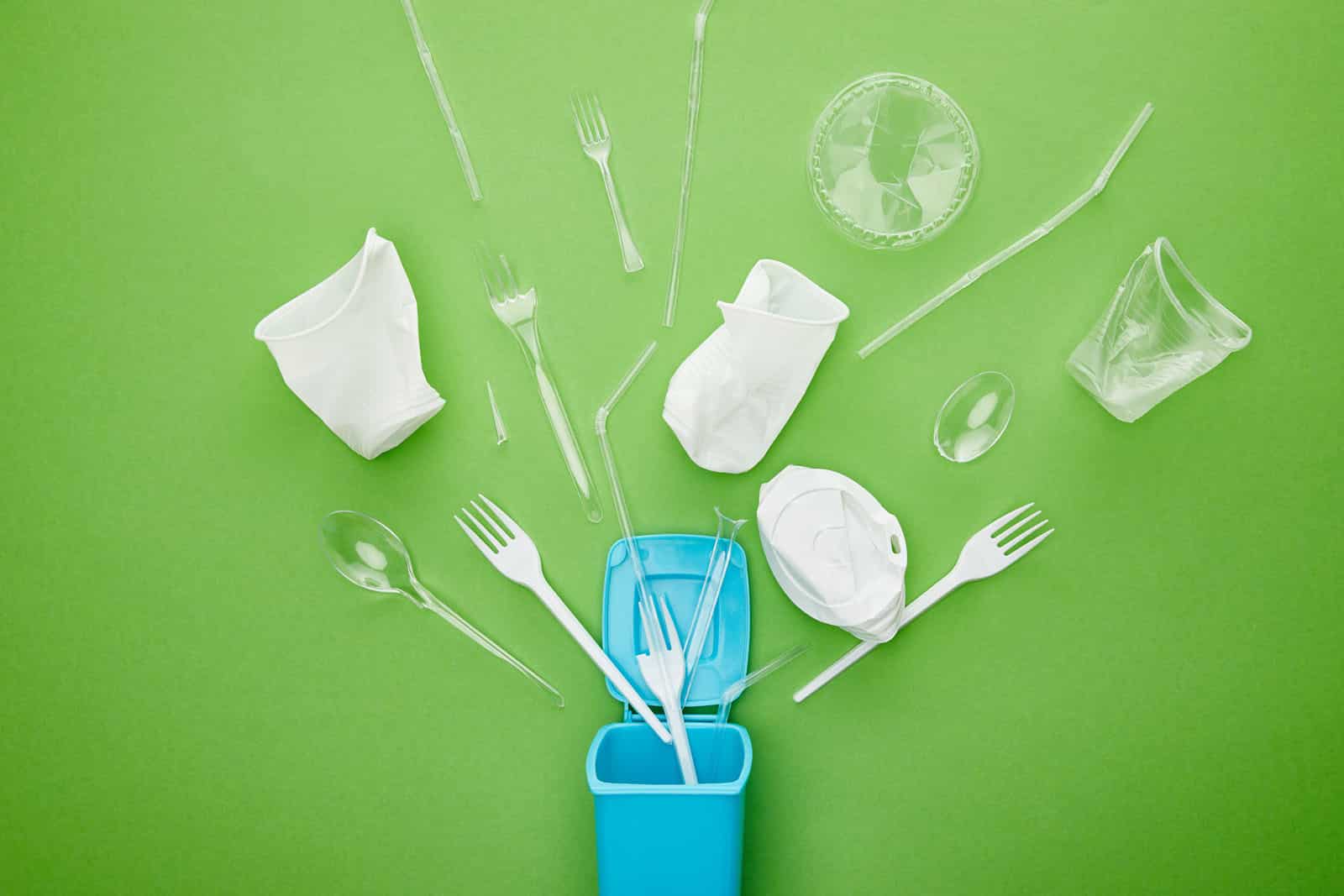
Takeout meals often come with plastic utensils, condiment packets, and containers. When ordering takeout, request only the items you need or bring your own containers when practical. Dining in at restaurants or eating home-prepared food typically generates much less disposable waste.
Buy in bulk
Bulk food sections allow shoppers to purchase grains, nuts, beans, cereals, and snacks using reusable containers or bags. Buying in bulk often reduces packaging waste and can save money as well.
Replace disposable household items
Many common household products can be switched with reusable alternatives:
- Plastic wrap → reusable food covers or containers.
- Disposable cleaning wipes in plastic containers → washable cloths.
- Disposable razors → reusable razors.
- Laundry detergent in plastic jugs → laundry detergent sheets.
- Plastic dryer sheets → wool dryer balls.
- Deodorant/antiperspirant in plastic containers → cardboard containers for deodorant/antiperspirant.
These changes can reduce waste, and many save money over time.
Choose natural fibers
Many synthetic clothing materials, such as polyester, nylon, and fleece, shed tiny plastic fibers during washing. When purchasing new clothing, consider natural fibers such as cotton, wool, hemp, or linen.
Participate in community cleanups
While preventing plastic waste is the most effective solution, community cleanups help remove litter before it reaches the Bay. They also provide a powerful reminder of how much plastic we use and discard. Join Community Action for a Sustainable Alameda (CASA) at their Seaplane Lagoon Promenade Cleanup (1801 Ferry Point) on the second Saturday of each month from 10 a.m. to noon.
Start with one change
Reducing plastic consumption doesn’t require perfection. The goal is progress, not perfection. If every Alameda resident replaced just one disposable plastic habit with a reusable alternative, the collective impact would be enormous. Then tackle the next one, until you are using and disposing of far less plastic. We’ve got this Alameda!
Plastic Free July offers an opportunity to examine our daily habits and make changes that benefit our environment, wildlife, climate, and community. By taking a few simple steps today, we can help create a cleaner, healthier future for generations to come. What are some plastic items you could eliminate from your daily routine this month?
Joyce Mercado is the author of Save the Planet in Your Spare Time: A Climate Protection Handbook for the Busy Person, a member of Community Action for a Sustainable Alameda (CASA), and a past president of the Rotary Club of Alameda. Her columns are collected at alamedapost.com/Joyce-Mercado. She can be reached at [email protected].
