Alameda residents love their cats. I’m no different. We adopted a cat through Island Cat Resources (ICRA) more than a decade ago, and she has become so much a part of our small family that I hesitate to say we “own” her. But I love both cats and wild birds, and I know that any cat — even one as well-fed and loved as ours — will kill a bird at the first opportunity. That’s why she has always been an indoor cat.
Last year, I took the San Francisco Master Birder Program offered through Cal Academy and the Golden Gate Bird Alliance. One of our class assignments was to choose a local “patch” or area to monitor and document both resident and migratory birds. We also had to conduct a breeding bird survey in our patch. Because I live within walking distance of Jean Sweeney Open Space Park, I chose the 25-acre park as my patch.
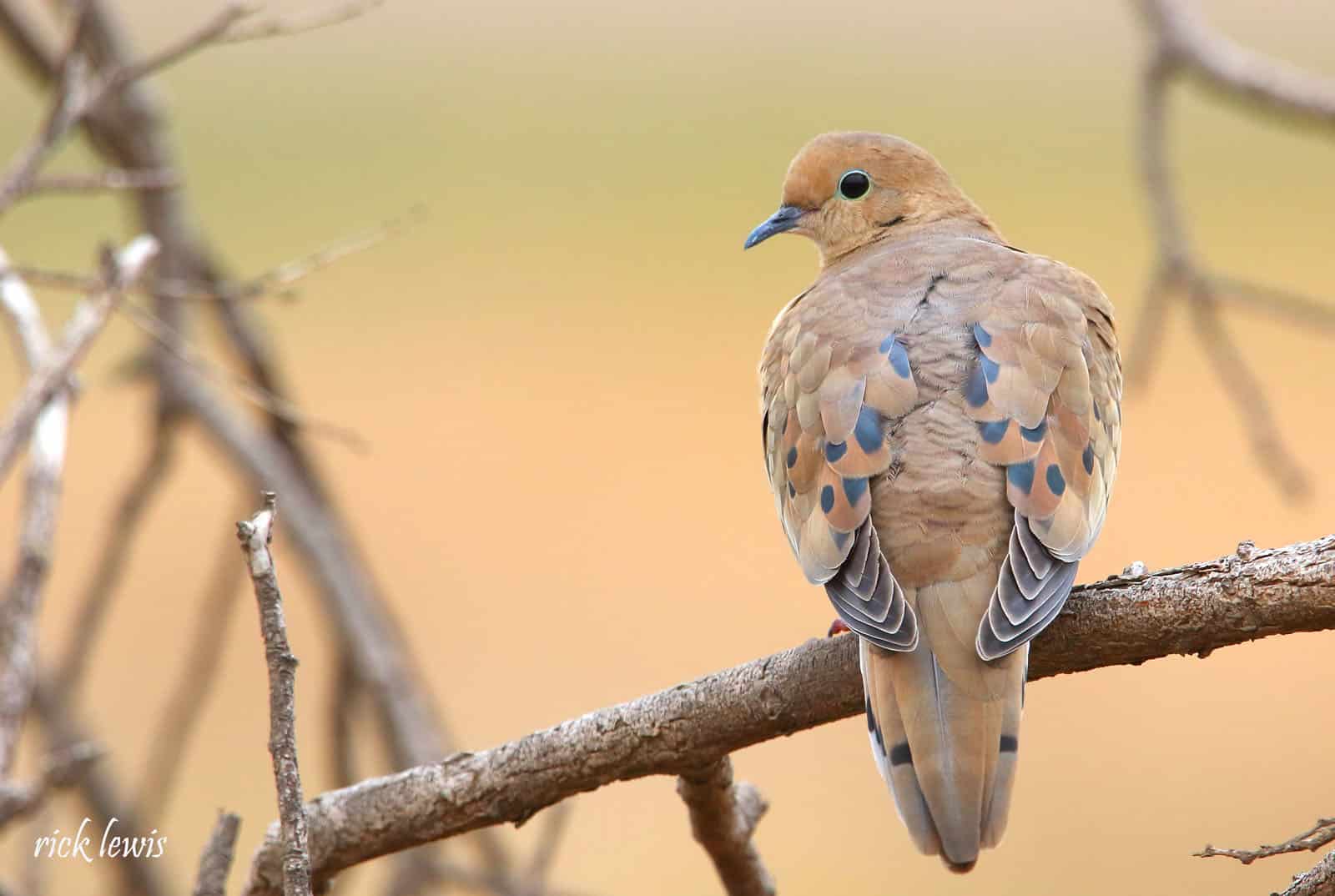
During the year-long program, I recorded more than 100 different bird species, from the western bluebird to Cooper’s hawk, mourning dove to western tanager, who either resided, pit-stopped or flew over the park. I also observed more than two dozen of those species exhibiting a range of breeding behavior. The number of bird species at Jean Sweeney Open Space Park represents a fraction of the incredible bird diversity present throughout Alameda. More than 200 species have been documented here, including those at local birding hotspots at Crab Cove and Elsie Roemer Bird Sanctuary, which provide critical habitat for overwintering shorebirds — and where I’ve also seen free-ranging cats.
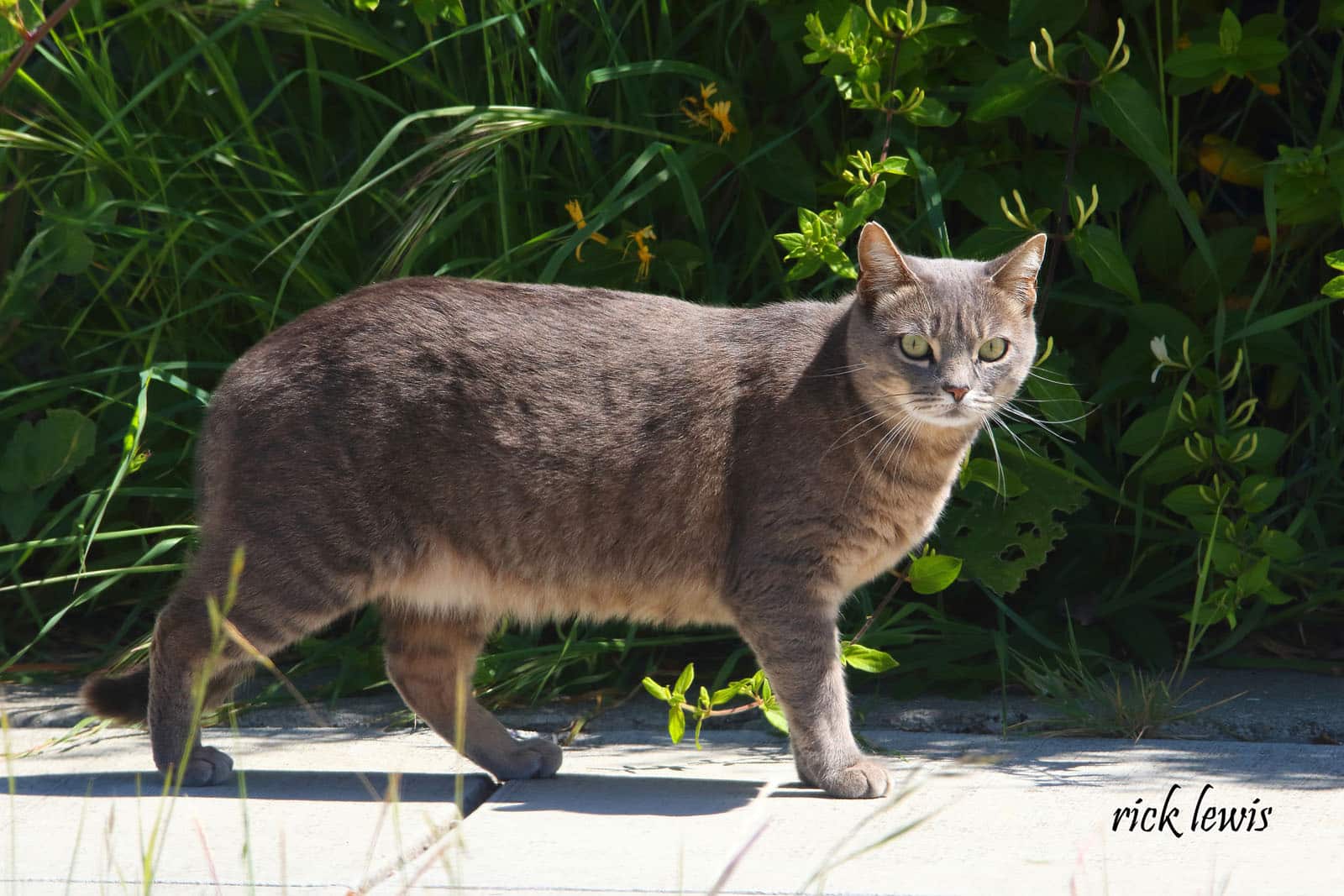
Once I started regularly monitoring Jean Sweeney’s bird population, I immediately noticed that many species — especially the sparrows, wrens, bluebirds and finches — congregated at the Eighth Street entrance corridor, the exact same area where I’d routinely see a small group of outdoor cats lounging, prowling, or eating the food set out by a local cat lover. While I felt for the plight of these stray and feral cats, I cringed every time I saw them. While taking the Master Birder Program, I also learned that the toll outdoor cats take on wild birds is staggering. Bird populations have dropped by 30% in the United States in the last 50 years, and when it comes to causes of avian decline, outdoor cats top the list. Outdoor cats — be they pets, strays, or ferals — kill at least 1.4 billion wild birds annually. That’s double the number of bird deaths caused by collisions with buildings, windows or vehicles.


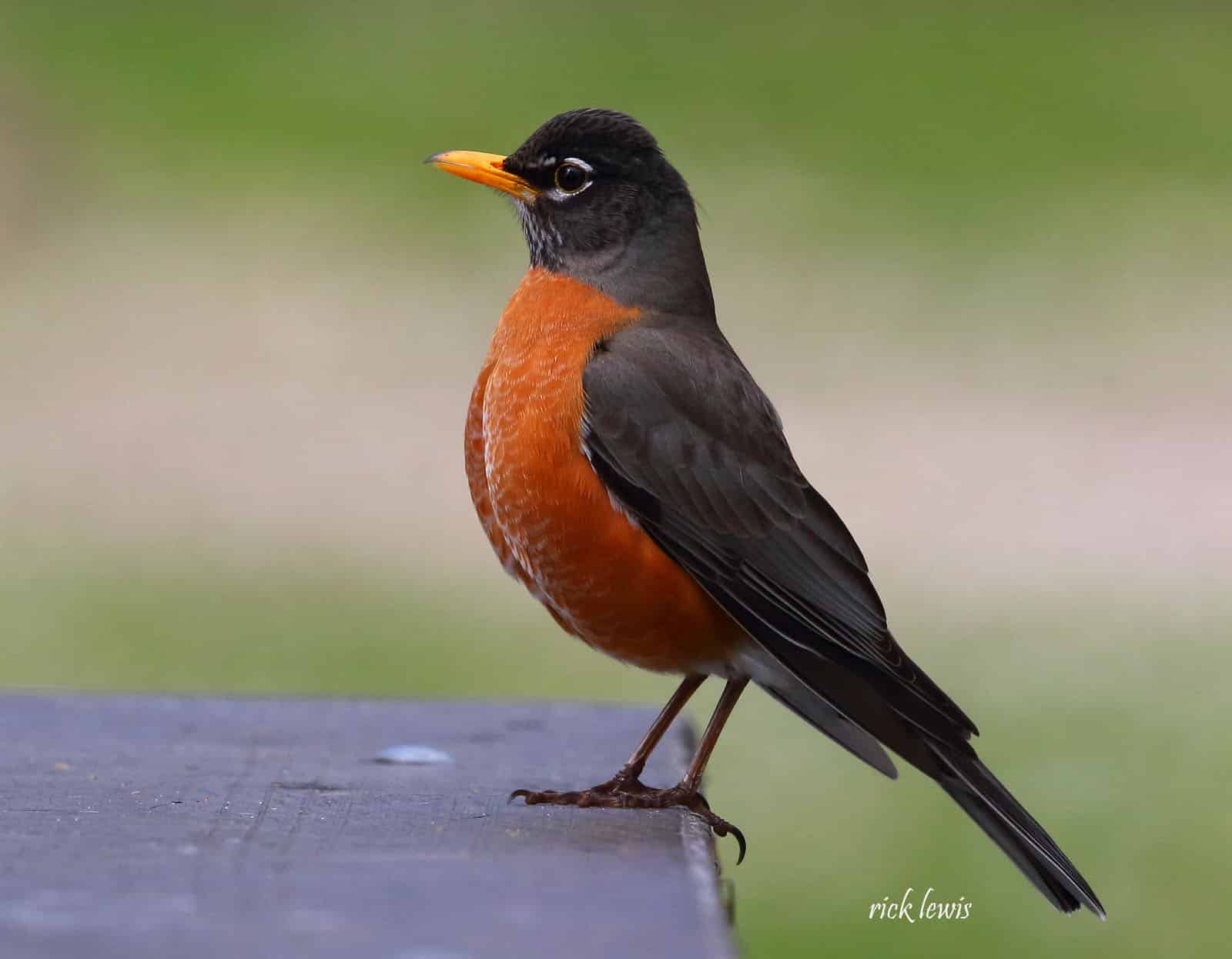
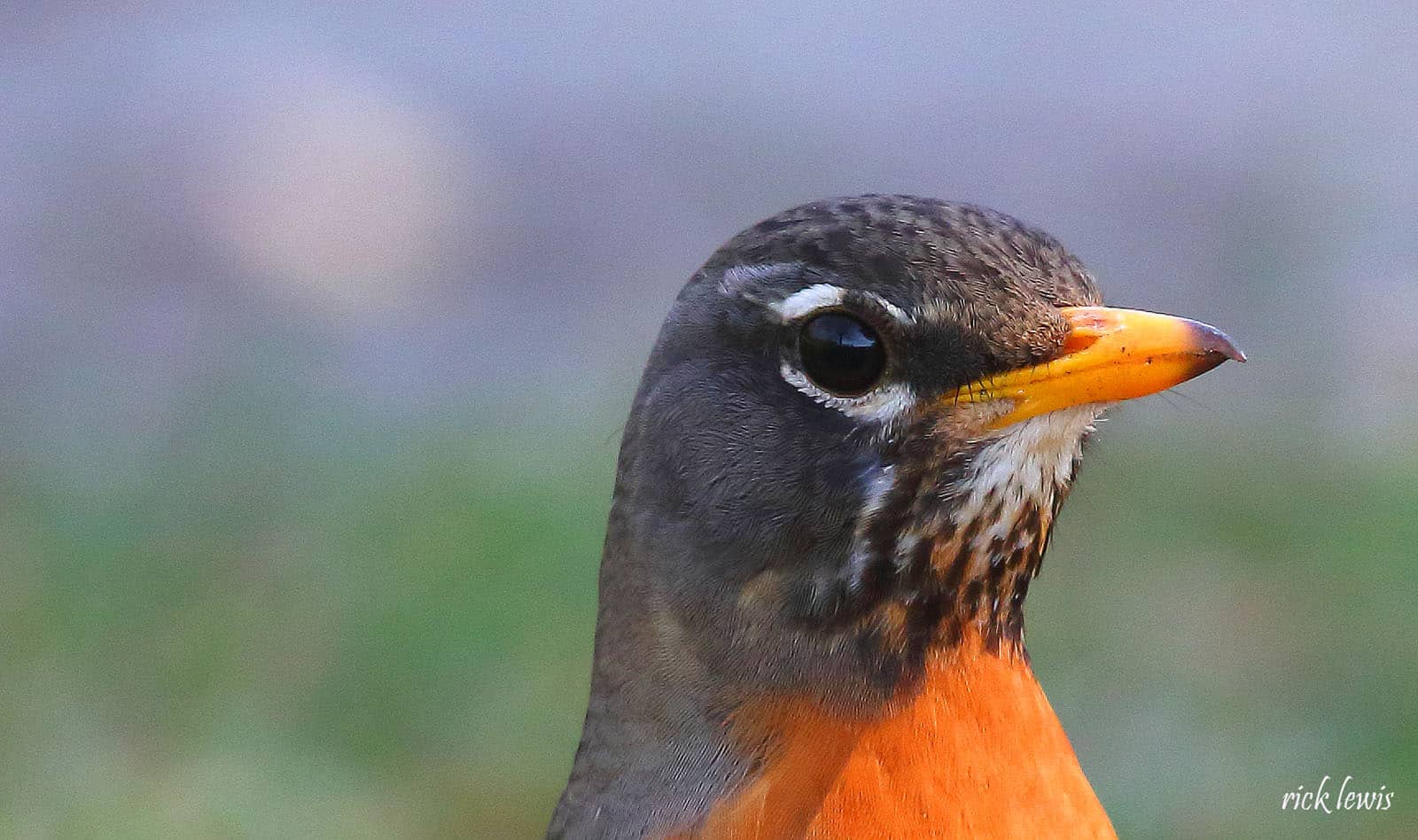
While that number is daunting, preventing cat-caused bird deaths is, in many cases, very simple. First, if you’re not already a cat owner, consider adopting a cat and commit to keeping it inside. Likewise, keep pet food inside and don’t feed feral or stray cats. Contrary to what many people might think, an outdoor cat does not enjoy a better quality of life. The average lifespan of an outdoor cat is only two to five years, compared to 10 to 20 years that an indoor cat can be expected to live. Outdoor cats are often injured or killed by collisions with cars, other predators, fights with other cats, poison or disease. They also can transmit diseases to humans and other wildlife, and they’re subject to fleas and other parasites which they can bring inside the home.
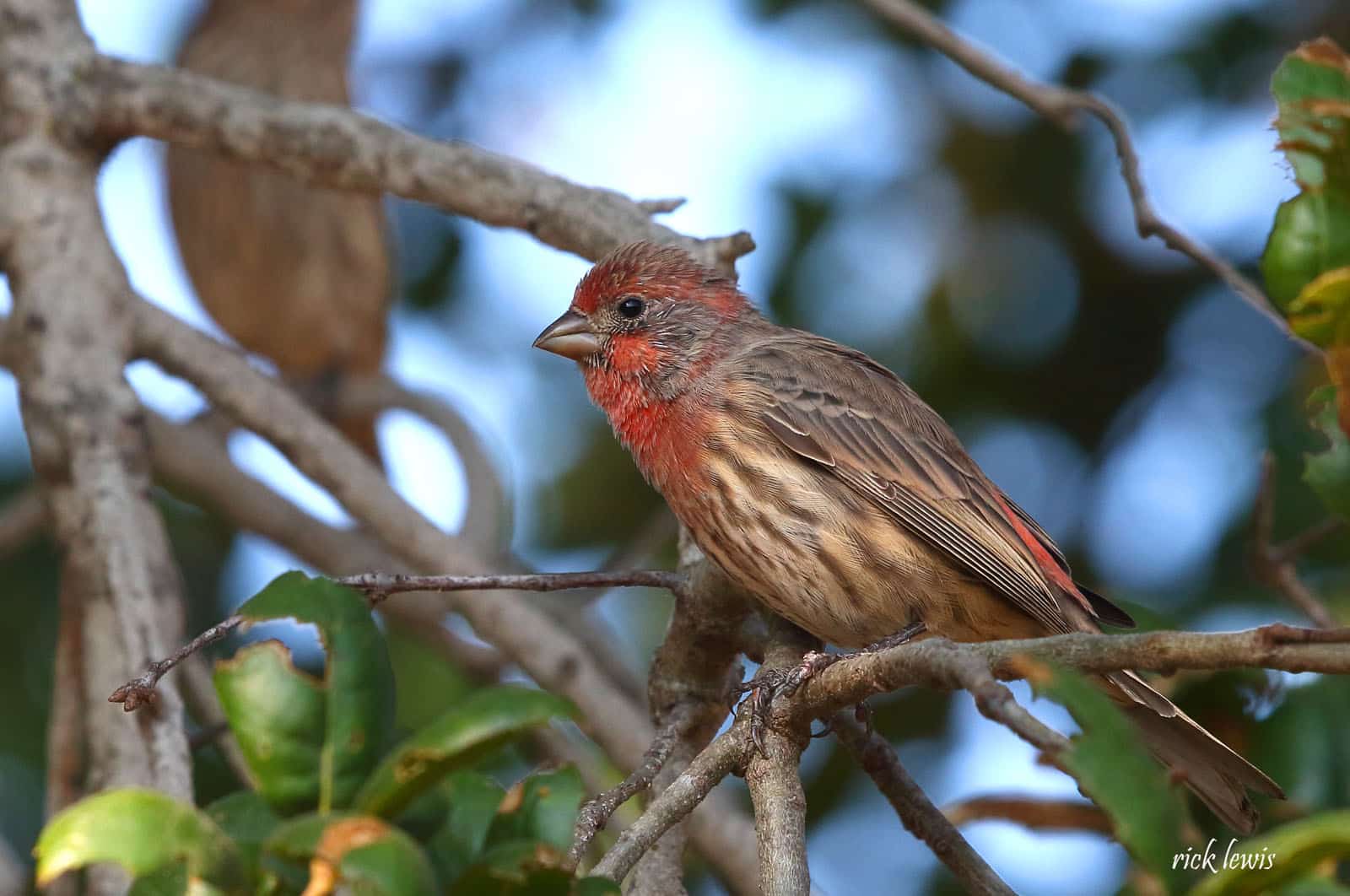
If you have space and are concerned that your indoor cat isn’t getting enough exercise or stimulation, provide scratching posts, high perches, toys, catnip, and consider building a “catio,” a screened-in enclosure (that birds can’t get into) where your cat can enjoy the outdoors without being a threat to — or threatened by — local wildlife. Installing cat-proof fencing in your yard is another effective way to keep a feline in its own backyard. It’s also possible to leash-train cats for supervised outings. At the very least, placing a colorful cat collar or bib on an outdoor pet will help birds detect and get away from a cat before it has a chance to pounce. With your help, we can enjoy both our feline pals and our wild bird neighbors.
To help our avian friends, the Golden Gate Bird Alliance is hosting its annual Birdathon Fundraiser with an Adventure Auction. Bid on wonderful donated items that appeal to both bird lovers and not-necessarily birding friends. The Auction runs May 5-20.
Deborah Crooks is a local songwriter and longtime bird lover. A hawkwatcher at the Golden Gate Raptor Observatory, she is a member of both the Golden Gate Bird Alliance (formerly Audubon) and recently joined Friends of the Alameda Wildlife Reserve (FAWR). For more information about Golden Gate Bird Alliance, free field trips, and FAWR, visit the Golden Gate Bird Alliance website.

