Terry Winckler is the kind of guy who, if they still allowed ads for cigarettes in magazines, you’d see on a horse wearing a Stetson, overly handsome with all the signs of ruggedness. Instead, you can catch Terry at The Local, having coffee, chatting it up with folks he knows and the occasional stranger, with a book nearby or a draft of his latest writing. That’s how we met, two older gray guys, book people. And that’s how he came to be the subject of this 5Q4.
Terry is about to self-publish his third memoir, Afloat in Emerald City, with his two previous efforts being Tule Town (reviewed in the Alameda Post in 2023) and A Voice Came Down the Mountain. On Friday, April 17, at 5:30 p.m., the author will be at Books Inc.,1344 Park Street, talking about his book with Jerry Thompson.
Terry is a bit like another writer I admire, Mark Twain, in that they both like telling stories on the page and in person—classic, charming yarn spinners. Read on for his answers to 5Q4: Terry Winckler.
You’ve traveled far and wide. How did you end up in this lovely little town?
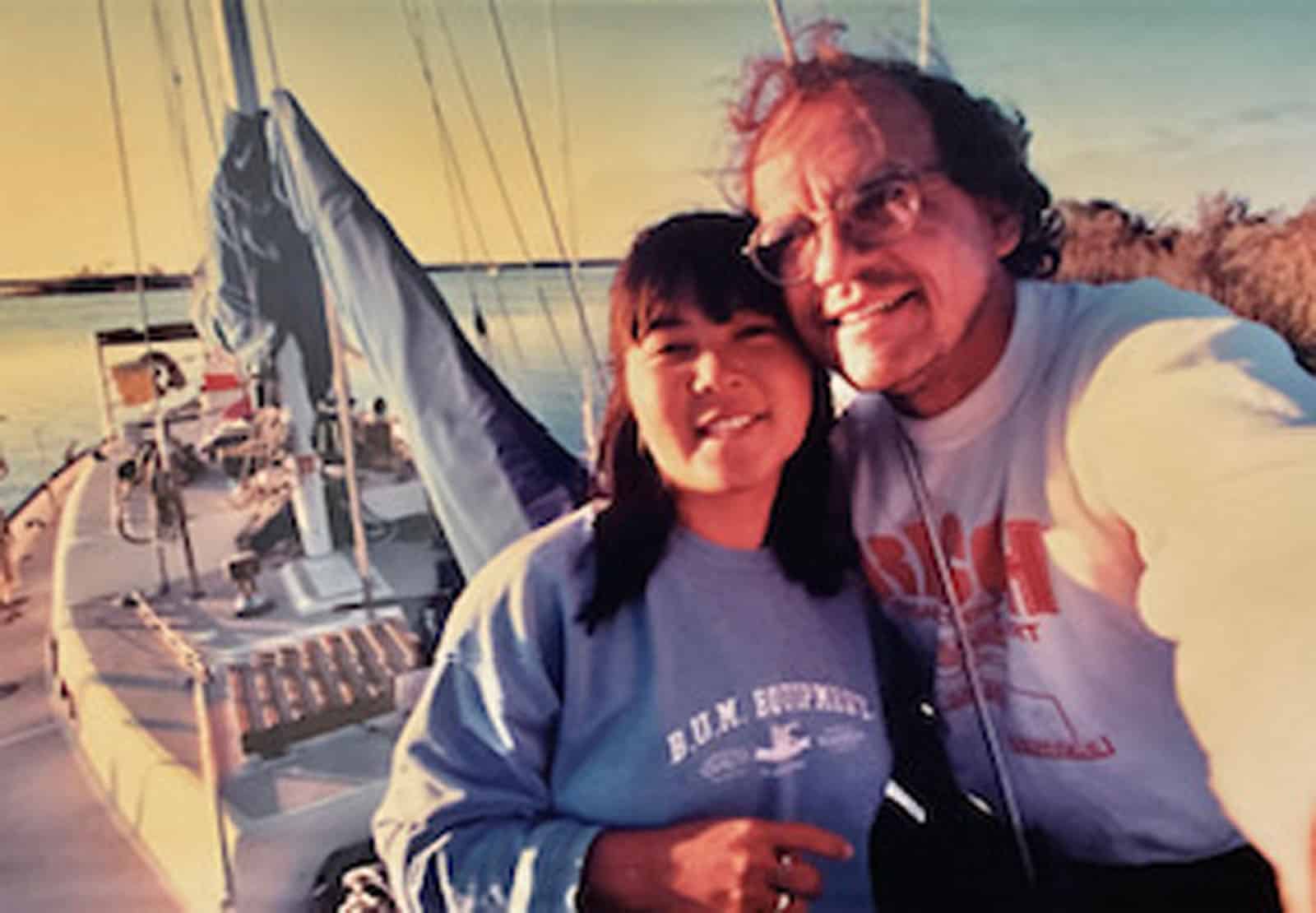
I fell in love with a woman and with this island that would become our home while we lived on a boat in the estuary, planning to create a family to take around the world. We both were journalists—her a photographer, me an editor—at the chain of newspapers that included the Alameda Times Star, Oakland Tribune, and Hayward Daily Review.
During our seven years living aboard, we constantly traveled to Alameda by skiff and by bridges, amazed at its remarkable charms and amazed even more at how undiscovered it was in a Bay Area exploding with growth. Ole’s became our favorite eating spot and Tucker’s Ice Cream (at its original location on Park Street near the bridge) our favorite dessert haven. For me, Alameda was yet another jewel in the most diversely rich area I had even seen—the Bay Area. I was smitten by the extraordinary diversity of its culture, gender choices, race/skin color, religion/non-religion, and geography.
Your vocation and avocation is that of a writer. When did you first discover this calling and what kind of writing have you done over the course of your life?
While a senior in high school, my English teacher asked me to write a story for the school newspaper about migrant farm workers. It was the first story I ever wrote, and it won the “Best Journalist” award in a countywide contest. I also won second place in a countywide poetry contest and was pictured by The Los Angeles Times reciting my work to a young woman on a diving board. The experiences laid the life path I ultimately followed as a storyteller wherever I walk and talk (like The Local cafe in Alameda).
My career path wandered through the printed pages of magazines and newspapers (as reporter/writer, photographer, and editor). I was editor of The Hayward Daily Review and The San Mateo County Times, a lead editor at The Oakland Tribune, and a correspondent for various other newspapers and wire services. I became an author about 10 years ago after leaving the workaday world.


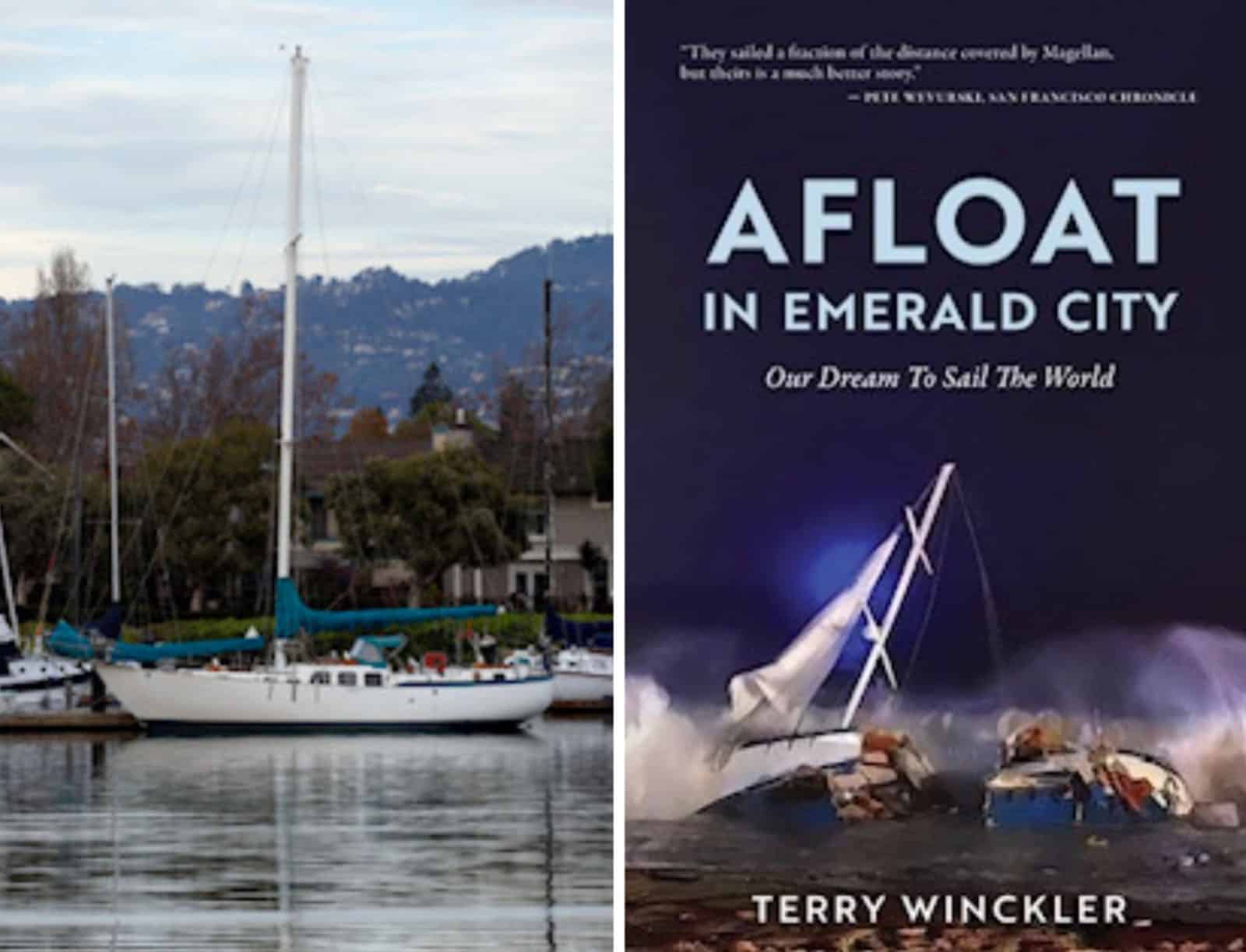
Your current book, Afloat in Emerald City, is the third memoir you have written. What story does it tell and was the experience writing this book different from the previous two?
Each of the three books describes periods of self-discovery and dream-chasing in my life. Of shooting for the stars and landing far short, yet much farther along a path illuminated by a personal North Star I had been assembling as I struggled with alcoholism, cancer, and self-imposed setbacks in career and relationships.
My first book, Tule Town, tells of how at age 30, despite some strong life achievements, I found myself in despair and uncertainty. I didn’t know who I was or what my values were. So, I started life and career over in the tiny farm town of Porterville, deep in the Central Valley, on the crappiest newspaper I had ever seen. I spent seven years among “extraordinarily ordinary” people whose down-home lives help me rebuild myself and create a new career path.
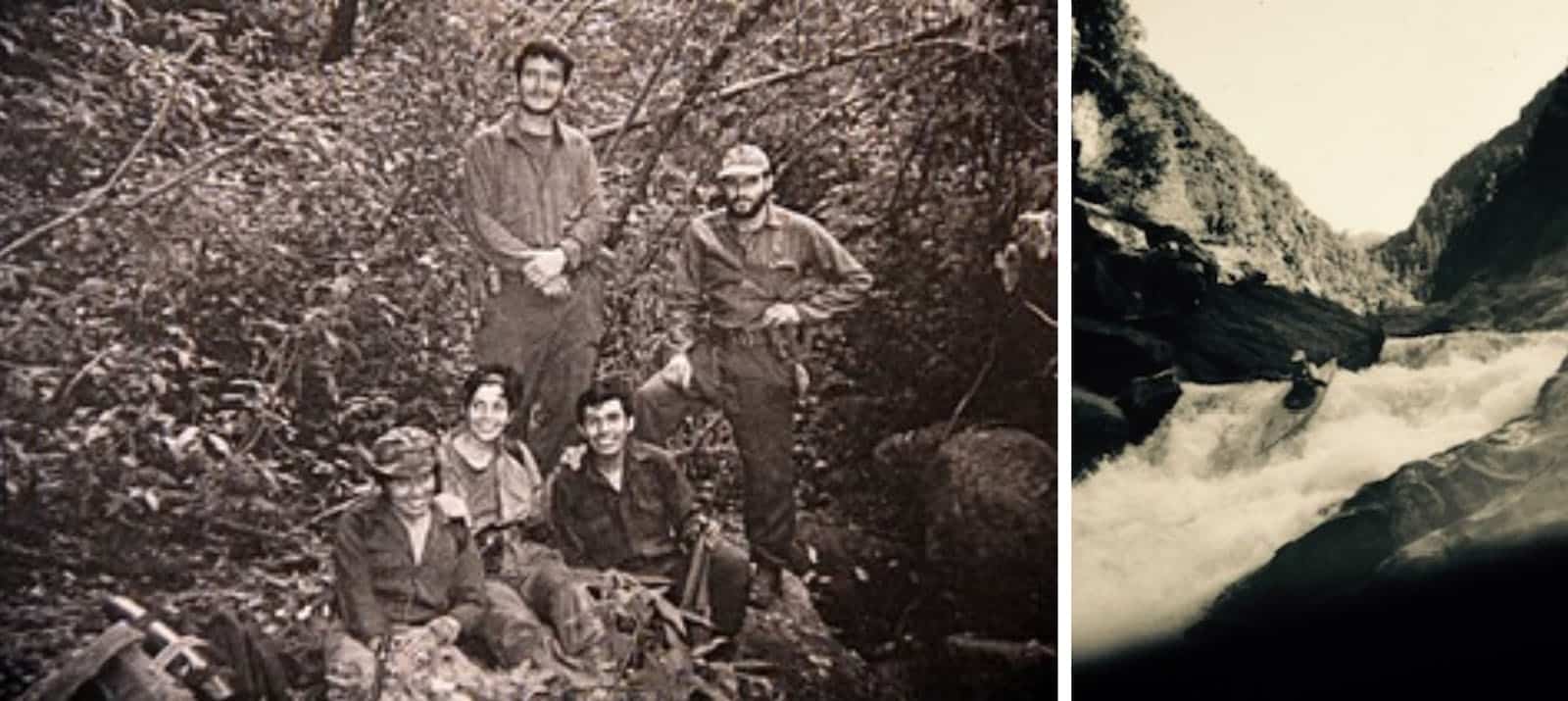
My second book, A Voice Came Down The Mountain, describes what happened after I left Porterville to cover the revolution in Guatemala, where I had been a volunteer in a poor Maya village years before. The “Voice” is that of a guerrilla group I discovered atop a volcano. They would come down to fight a repressive army and teach Maya people, especially its women, that the real revolution is within yourself.
My final memoir, Afloat in Emerald City, tells of how, finally, I returned to the Bay Area I had so long dreamed about only to discover acidic realities that made me want to escape with a woman I had fallen in love with when she brought joy to a newsroom that had forgotten how to laugh. We bonded, in part, over our shared love of nature and the out-of-doors, and moved onto a sailboat on the Oakland side of the estuary as we created a family. Soon, we were laughing together on The Boat With No Name in the greatest neighborhood we ever knew: a marina full of drunks, drug users, prostitutes, and dreamers who one-by-one streaked to the far horizon until… it was our turn. But, could our relationship survive how radically the dream had changed?

You are a self-published author, something increasingly common for the past many years. What have been the challenges of self-publishing, and is there any upside to this way of getting your story out there to readers?
Self-publishing has exploded in the last dozen or so years as would-be authors discovered the near-impossibility of getting a traditional publisher to take your book. More than a million new titles are published each year—most by self-publishers, especially memoirs. Unlike traditional publishing, self-publishers must pay all costs of editing, layout, and design, cover creation, and marketing. Hence, almost every self-publisher confronts this harsh reality: You are likely to lose money. Which raises the question, why do it? Many, including me, do it because stories burn within us, begging for release. Having written about others most of my life, I am writing of the adventurous life path that greatly shaped who I am.
E.B. White famously said, “All that I hope to say in books, all that I ever hope to say, is that I love the world.” Is there a singular thing you hope to say in your books?
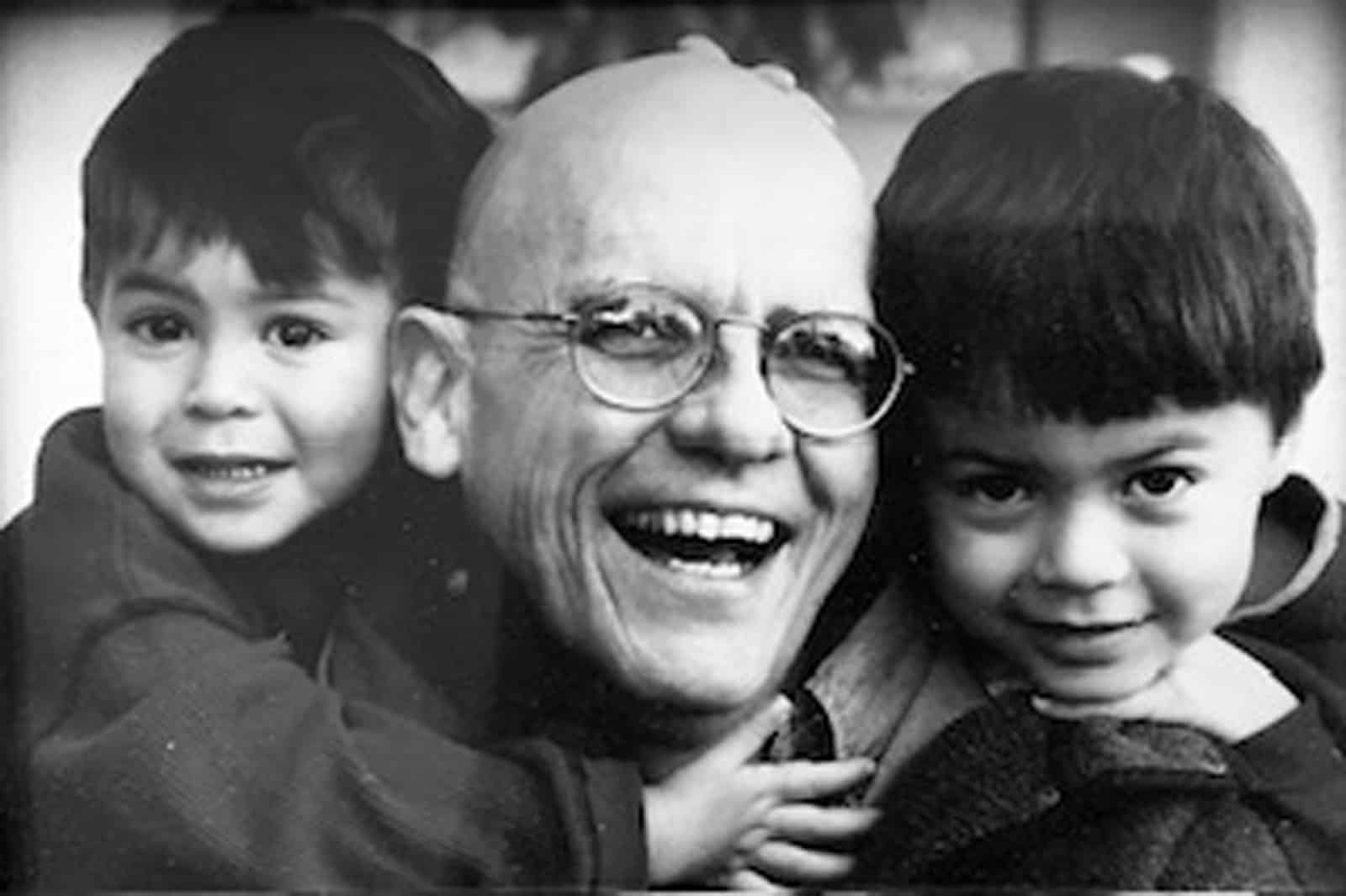
“Live a life worth telling” is my personal motto and the foundation of my book writing. I yearn to share life-changing encounters with people like don Paco, the self-proclaimed poet of the Maya village I lived in. Paco was the most incompetent person I ever met, and the most beloved. He taught me how to truly see the world and its occupants: heart to heart. He is but one of a pantheon who dwells within me, yearning for their stories to find light.
Gene Kahane is the founder of the Foodbank Players, a lifelong teacher, and former Poet Laureate for the City of Alameda. Reach him at [email protected]. His writing is collected at AlamedaPost.com/Gene-Kahane.

