For more than three decades, Alameda residents have fought battles over Pride recognition, marriage equality, anti-bullying education, and LGBTQ visibility. Yet much of that history remains scattered across personal memories, newspaper clippings, and fading institutional records. A new Alameda Queer History Project seeks to change that by documenting those stories through oral histories conducted by local youth, creating a digital archive that organizers hope will preserve the community’s history while building connections between generations.
Inspiration
Inspiration for the project came when Reverend Laura Rose, senior minister of First Congregational Church of Alameda (FCCA) and one of Alameda’s longtime LGBTQ advocates, attended the inaugural Alameda Pride in the Park in 2022. She was delighted and saw it as evidence of how far the community had come. Yet amid the celebration, she felt something was missing: a visible connection to the people whose years of advocacy had made the event possible.
That moment transformed into a mission. Rose left the event convinced that Alameda needed a queer history project, one that would document the stories of those “whose shoulders we stand on” and, just as importantly, would involve young people in collecting those stories so that history could be passed directly from one generation to the next.
History in danger of being forgotten
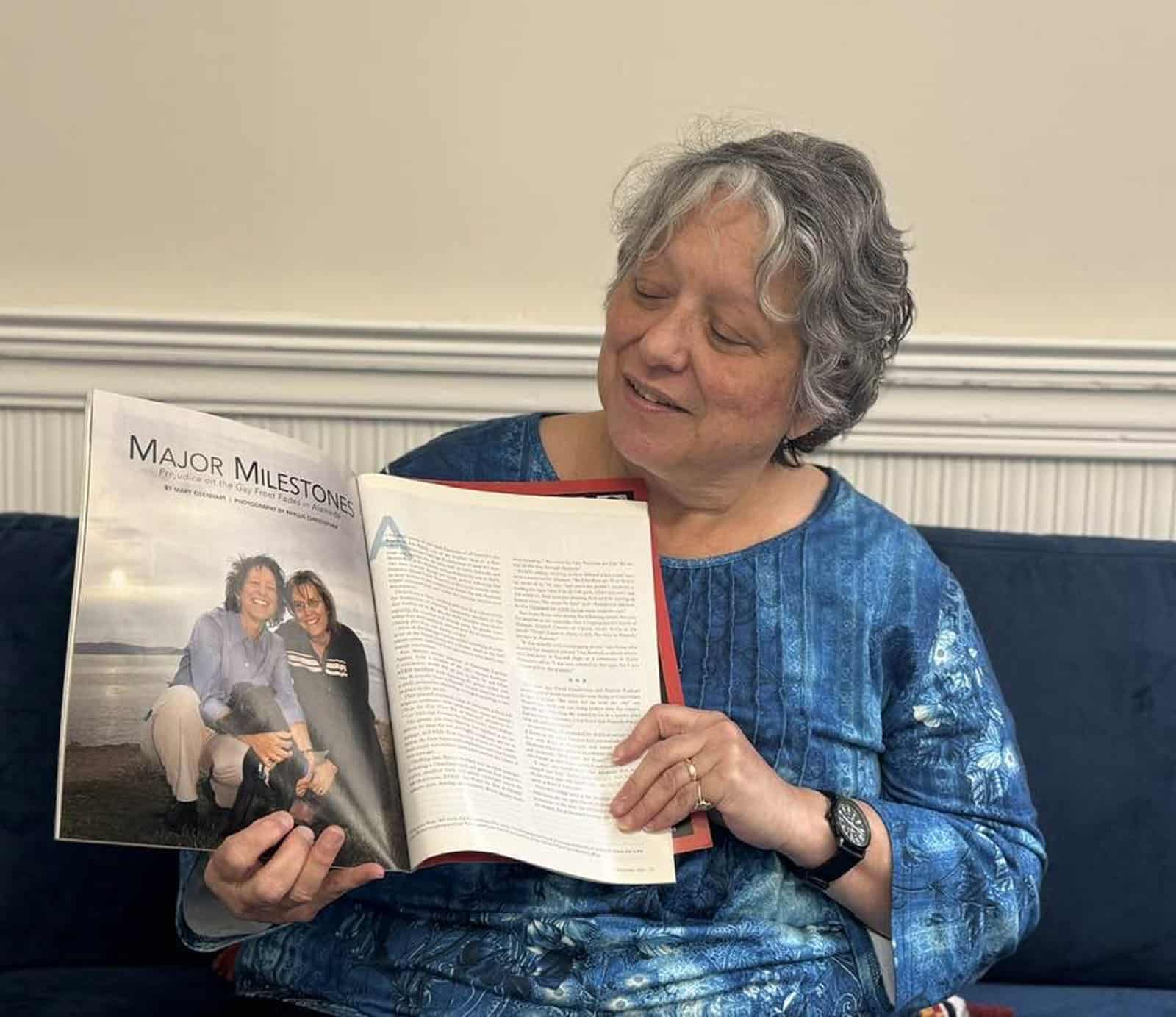
Rose describes herself as a “bridge person” between generations of activism. Through her work, she developed relationships with people who fought for Alameda’s first Pride proclamation, which took years of advocacy before succeeding in 1995.
During the marriage equality movement, as public debate intensified following the issuance of same-sex marriage licenses in San Francisco in 2004, Rose helped organize faith communities in support. Then, during the Proposition 8 campaign — the 2008 state ballot measure that ended same-sex marriage in California until the restriction was overturned in federal court — she again helped coordinate religious leaders and congregations to oppose the measure.
In 2009, the Alameda Unified School District (AUSD) approved an anti-bullying curriculum including lessons recognizing LGBTQ people and families. The controversial curriculum known as “Lesson 9” and developed over approximately two years by educators, aimed to promote inclusion and reduce harassment. However, its adoption sparked fierce backlash from some religious communities, which sought the right to exempt their children from the lessons.
Rose joined parents and advocates supporting the curriculum. The debate stretched over months and included legal challenges, public demonstrations, and contentious school board meetings. Opponents argued the lessons should be treated as health or sex education, while supporters maintained they were about social inclusion and anti-bullying. Courts ultimately rejected efforts to require an opt-out provision.
Still, the final curriculum approved by AUSD was substantially revised. Rather than focusing on LGBTQ inclusion, it addressed all protected classes recognized under California law. While Rose described the outcome as “watered down,” she also saw it as a turning point that led to broader organizing efforts, including the creation of an LGBTQ Round Table, a community-based advisory and advocacy group connected to AUSD, and annual Harvey Milk Day activities featuring student poetry and poster contests.
From idea to project
The Queer History concept remained largely aspirational until Rose began discussing it with Divya Rosaline David, who recently joined the FCCA staff.
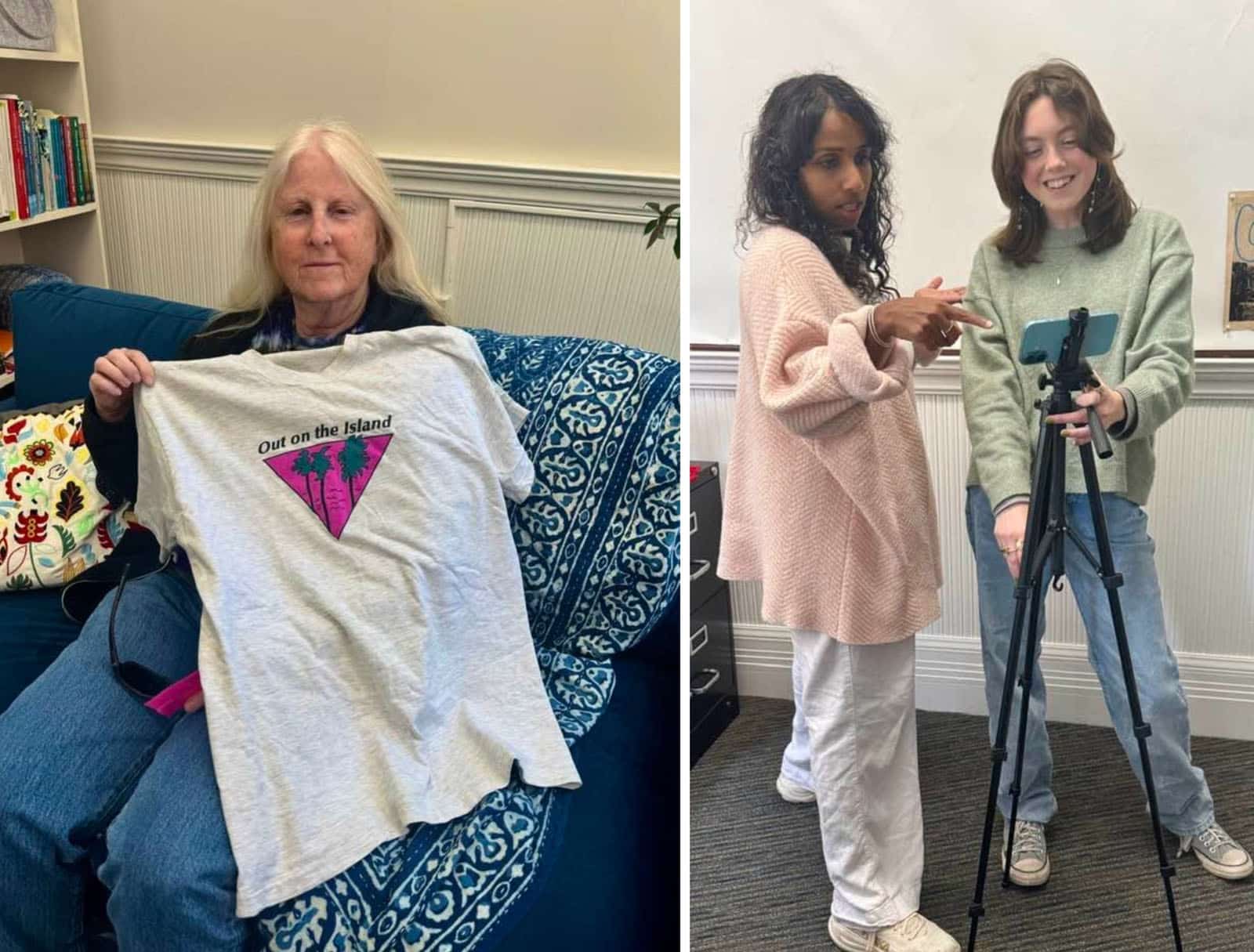
During a conversation about oral histories, Rose mentioned her dream of creating an LGBTQ history project that would train young people to interview community elders. David responded with an unexpected revelation: She had spent years training thousands of youths in India to conduct oral history projects documenting the experiences of Dalit communities, people who were historically placed outside the traditional Hindu caste hierarchy and who were once labeled as “untouchables,” using smartphones and simple digital tools.
“I had the dream,” Rose said. “She had the digital know-how and experience, and we put it together.”
They designed a pilot program centered on youth-led oral history collection. Their goal was not only to preserve stories but also to create meaningful intergenerational connections by having young people interview elders directly. Rose explained that she wanted “both to document the stories of LGBTQ history here in Alameda, as well as train youth in doing oral history taking and filming.”
Youth at the center
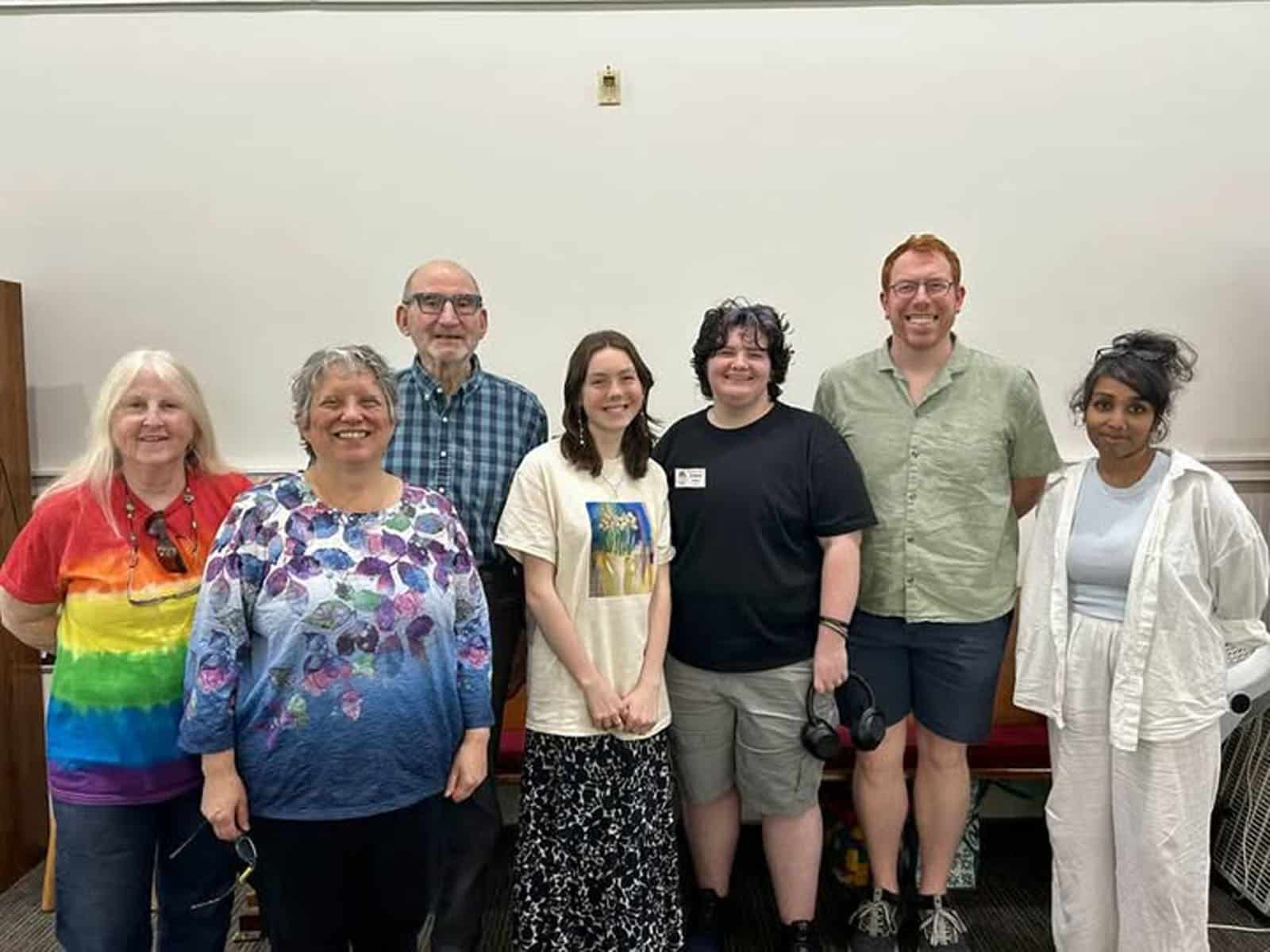
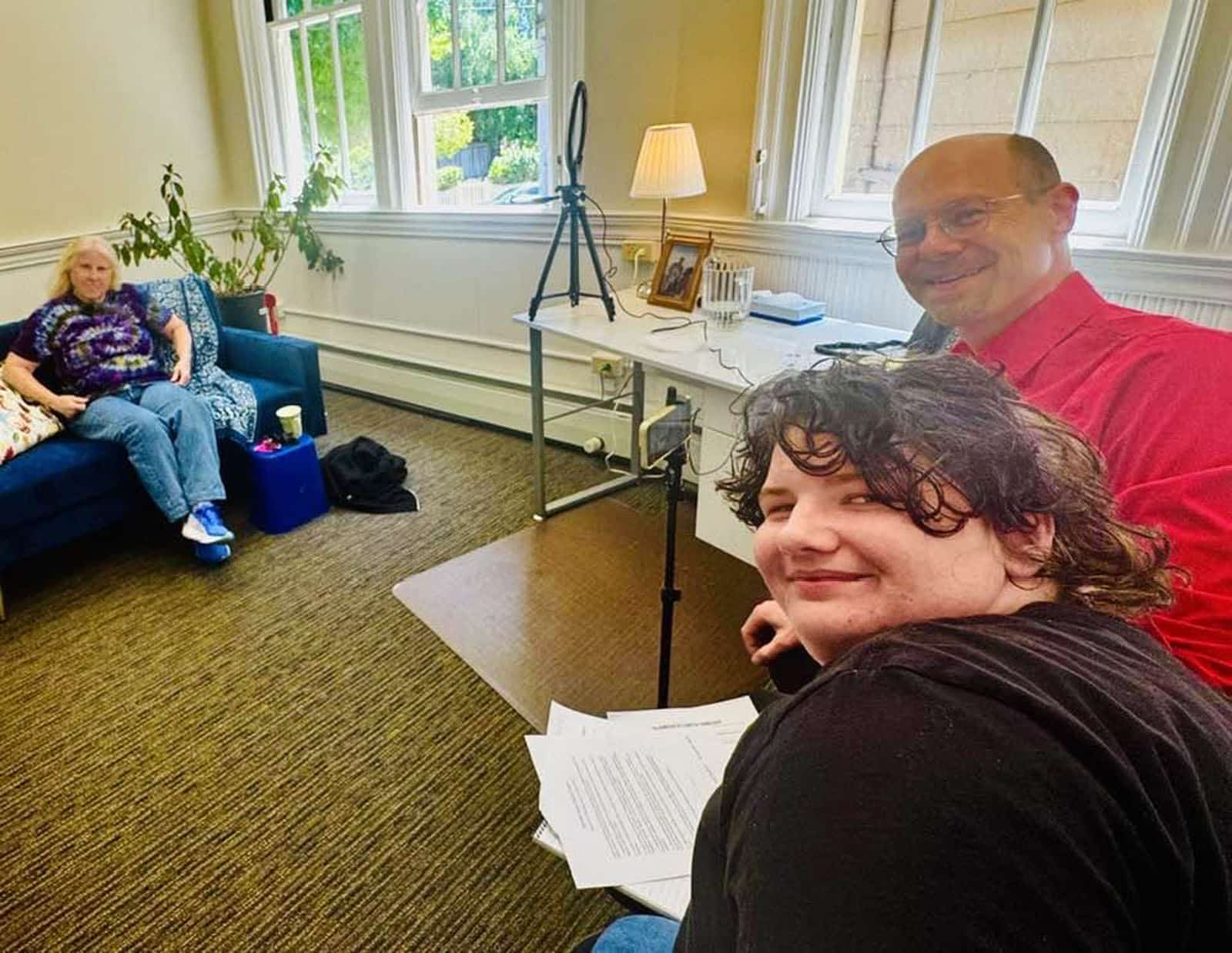
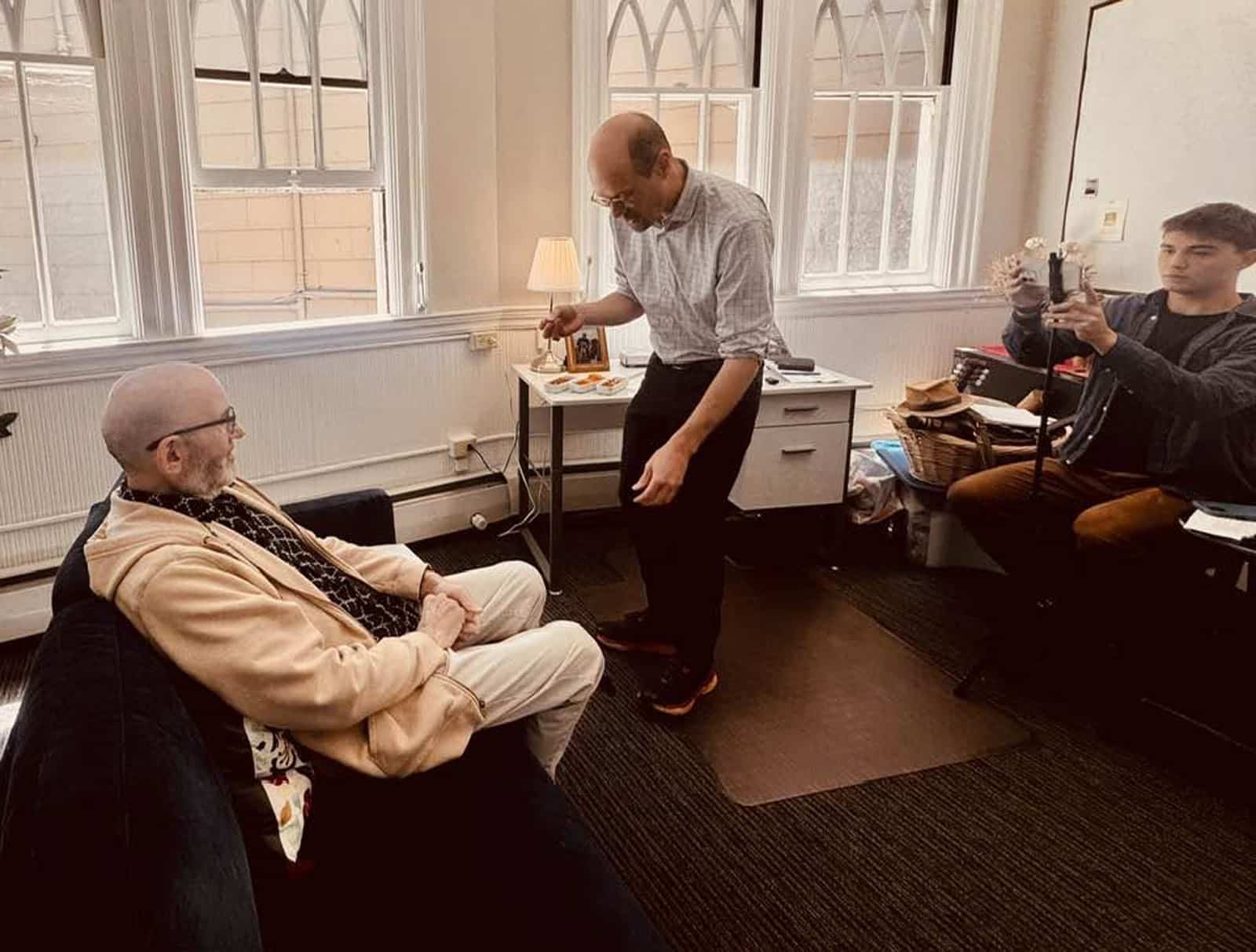
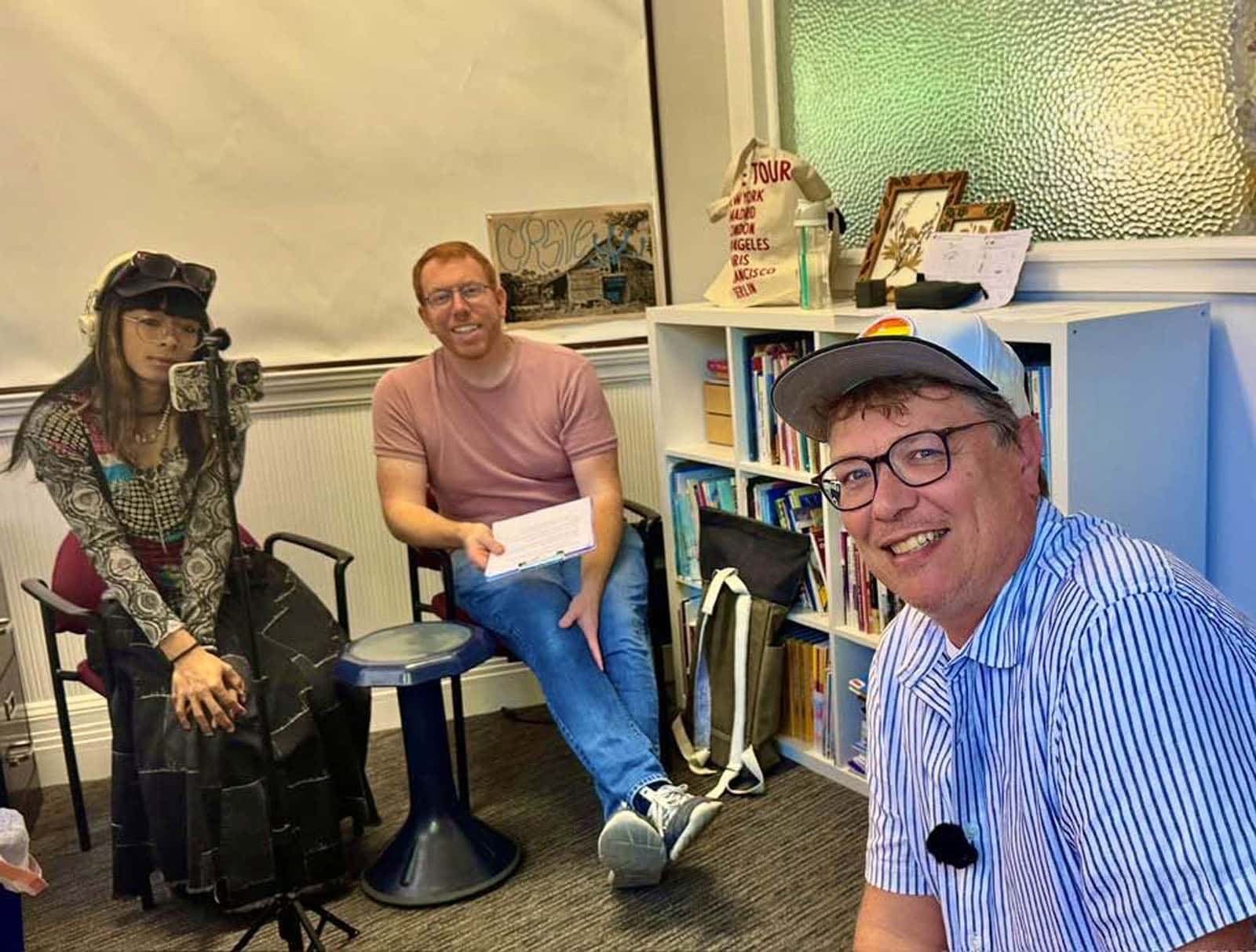
The project began with a small cohort of five youth participants and two adult mentors. David provided training, while Rose focused on maintaining the project’s vision and connecting youth with pertinent interviewees.
Student Juna Rose-Koeberl, Rose’s daughter, said she was drawn to the project because she grew up in a family where LGBTQ identities were normalized and accepted, which left her unaware of the struggles earlier generations faced. She recalled telling classmates, “I have two moms,” only to be met with confusion and surprise. That helped her understand that the acceptance she grew up with was not universal.
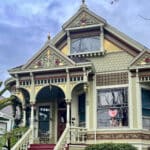
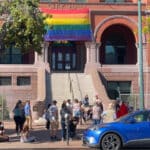


Student Andrew Pitcher said he joined because his own experiences as a transgender youth made him passionate about advocacy, education, and improving conditions for LGBTQ young people. He described growing up in Florida in a divided household where his mother was supportive, but his father was not. He said his father rejected him, declaring, “I don’t want that fag shit in my house.” He said he was effectively disowned and subsequently lived with his mother while beginning his transition. Further, he could not be openly transgender at school because of Florida state policies: “Teachers could not use preferred names, even if it was allowed by parents.”
After moving to California, Andrew experienced a newfound sense of freedom but also developed “survivor’s guilt” as he reflected on those who continue to face the same challenges he once experienced and “don’t have a way out.” That sense of responsibility motivated him to participate. “I want to do everything I can with my freedom… to help educate people and make potentially a better life for queer youth and my friends.”
Why the stories matter
The team has completed five interviews, including with Rose, early advocates involved in the Pride proclamation effort, leaders connected to the Lesson Nine controversy and LGBTQ Round Table, and current Alameda School Board President Ryan LaLonde, the first openly gay elected official in Alameda.
In his interview, LaLonde said he took special pride in AUSD rising during his school board tenure from the 40s to a No. 7 ranking from Equality California for its policies supporting LGBTQ students — “…kind of amazing for a small little island that no one actually knows where it is,” he quipped.
Olivia Higgins, the first LGBTQ education consultant for AUSD and a Round Table Chair, recalled how hard it was to talk to students, including her own children, and hear them discuss the slurs they endured, which weren’t being addressed by teachers.
Debra Arbuckle, who participated in the grassroots organizing efforts that led to the formation of Out on the Island, an early Alameda LGBTQ advocacy group recently restarted by Alameda Pride, discussed what she wanted queer youth to know: “If you think you’re broken like I thought I was, you’re not.”
For Rose, the project’s value lies not only in documenting events but in helping younger people understand what previous generations experienced. One interview highlighted that lesson dramatically. During a discussion about terminology, a youth interviewer casually used the word “queer” as an inclusive umbrella term. Older activist Kenneth Werner, who worked on issues ranging from securing workplace domestic partner benefits before same-sex marriage was legal to Pride advocacy, responded: “I can’t tolerate the word ‘queer.’ In the Kennedy years, the word ‘queer’ was what you heard right before you got punched in the face.”
The exchange revealed how much history can be lost when generations don’t have opportunities to talk directly with one another. “This is why we’re doing this,” Rose said. “Exactly why we’re doing this.”
What’s next
David has created a dedicated Alameda Queer History website to house interview videos, historical documents, a timeline, and archival materials. The site includes a short launch trailer and a longer pilot film compiled from the first round of interviews.
Rose estimates she has identified 20 to 25 additional people whose stories should be documented. Some are advocates; others are allies, educators, elected officials, or community members who played important roles in key moments of Alameda history. The goal is a digital archive that grows as new generations contribute their experiences. She also hopes to produce a comprehensive documentary for screening at a theater.
Rose envisions the archive becoming a permanent public resource for Alameda residents, educators, researchers, and future generations. “This project is our gift,” she said, referring to the FCCA and both the project’s vision and its digital infrastructure.
How to participate
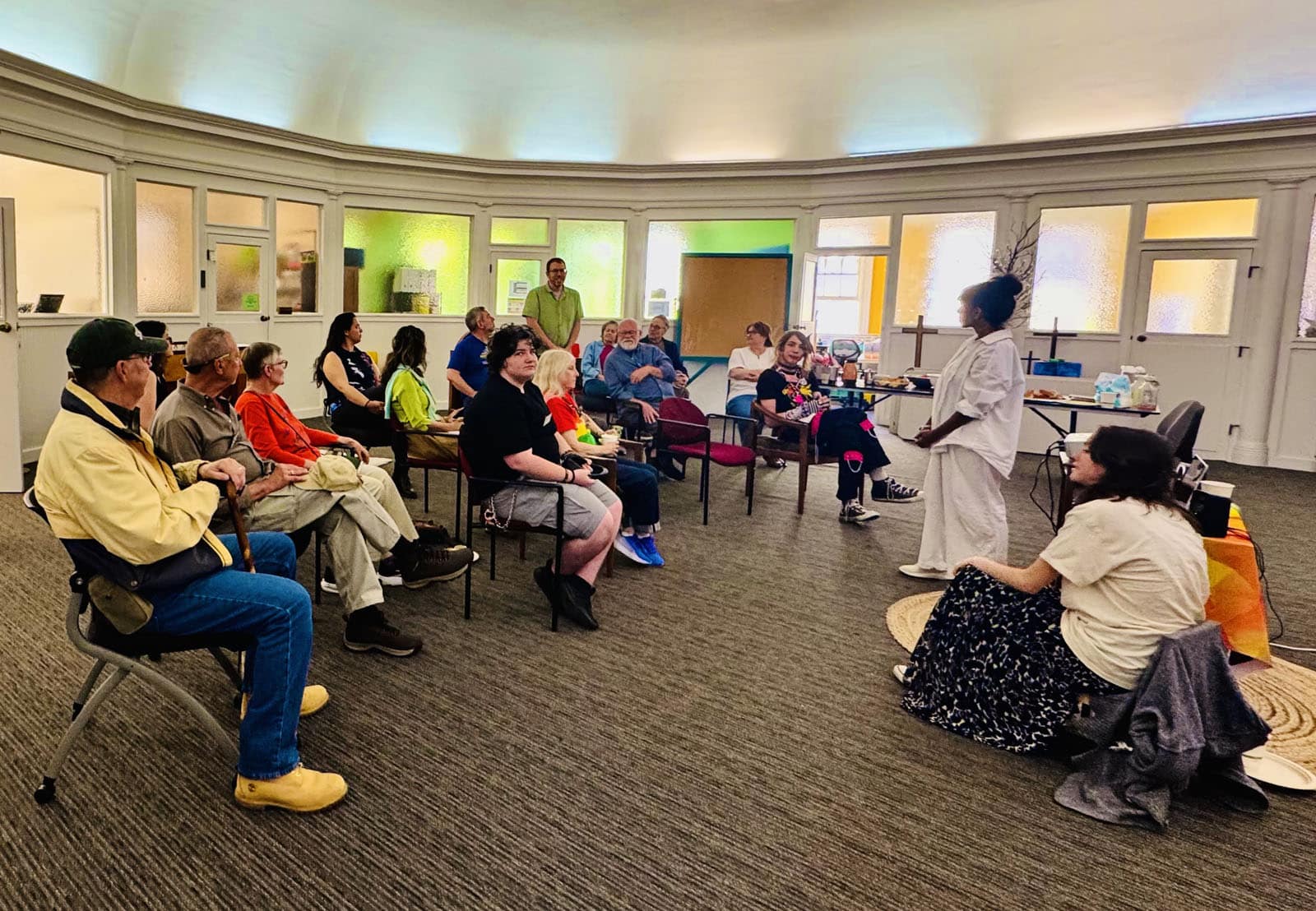
The Alameda Queer History Project seeks queer elders and others who have been part of Alameda’s evolving community to be interviewed for its archive, especially those with lived experience from earlier eras of advocacy, organizing, and social change. The project also seeks local high school students to volunteer as oral historians or digital archivists. Youth volunteers will receive community service hours and a certificate of completion. Those interested can inquire through the contact page on the website.
Contributing writer Karin K. Jensen covers boards and commissions for the Alameda Post. Contact her via [email protected]. Her writing is collected at https://linktr.ee/karinkjensen and https://alamedapost.com/Karin-K-Jensen.

