The Saturday, May 23 Open House at the financially strapped Naval Air Museum at Alameda Point may have been the last time the public will get to appreciate the rich naval history of Alameda Point at this location. Unless funds are raised to cover the rising costs of insurance and maintenance on the City-owned building, the museum will be forced to close permanently.
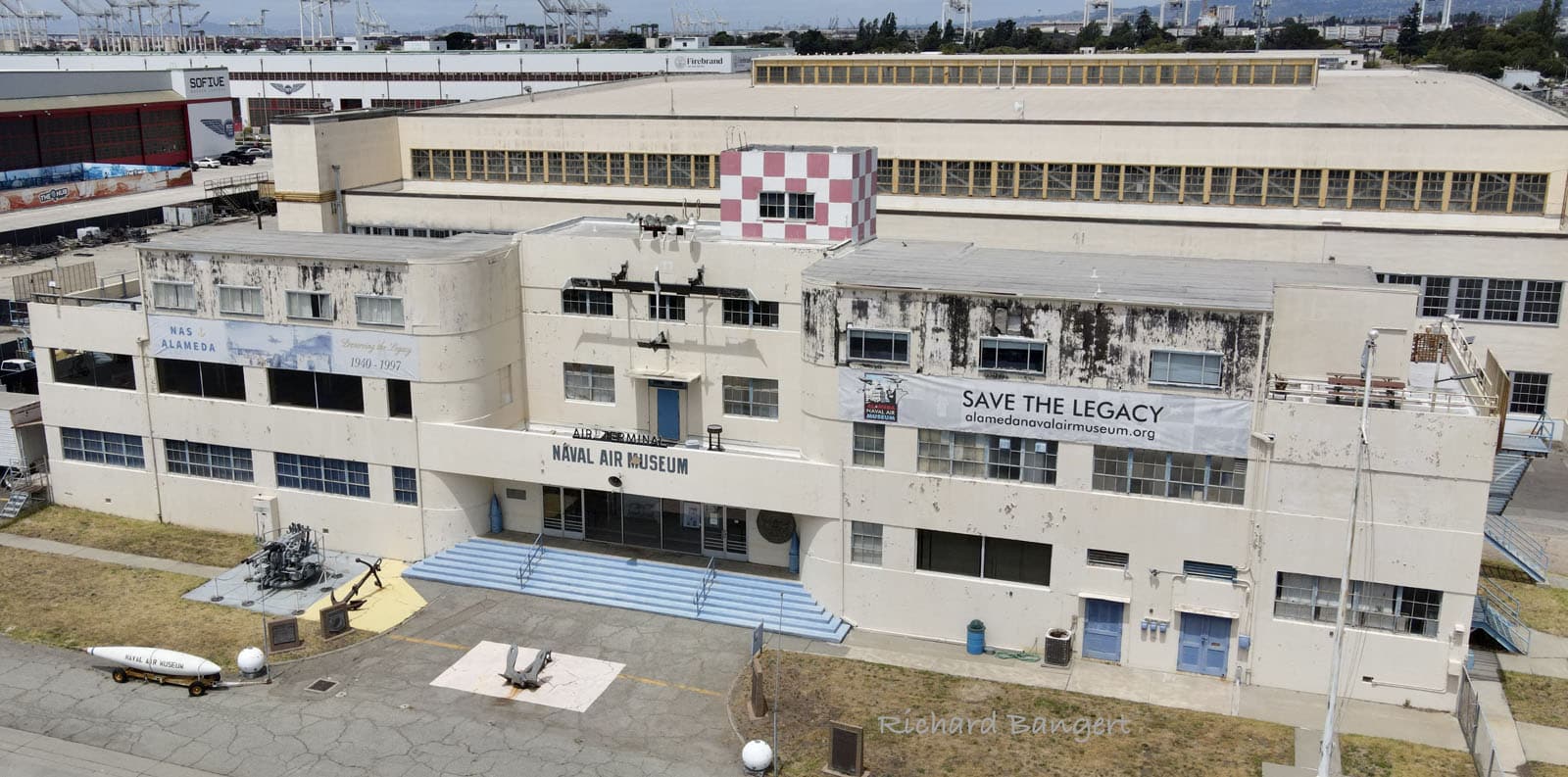
Beyond needing money, the museum’s curators are aging out, jeopardizing the wealth of institutional knowledge and first-hand experiences from people who worked at the base. It is not clear if efforts are being made to record their oral histories for future generations.
The museum is currently closed while recruitment efforts are underway to select a new volunteer Board of Directors to help implement a plan of action to fund the museum.
What’s inside
The museum’s offerings span more than just military base history.
Framed front pages of newspapers, displayed throughout the museum, are full of stories beyond naval history that provide intriguing glimpses into the context of what was going on around the world at the time.
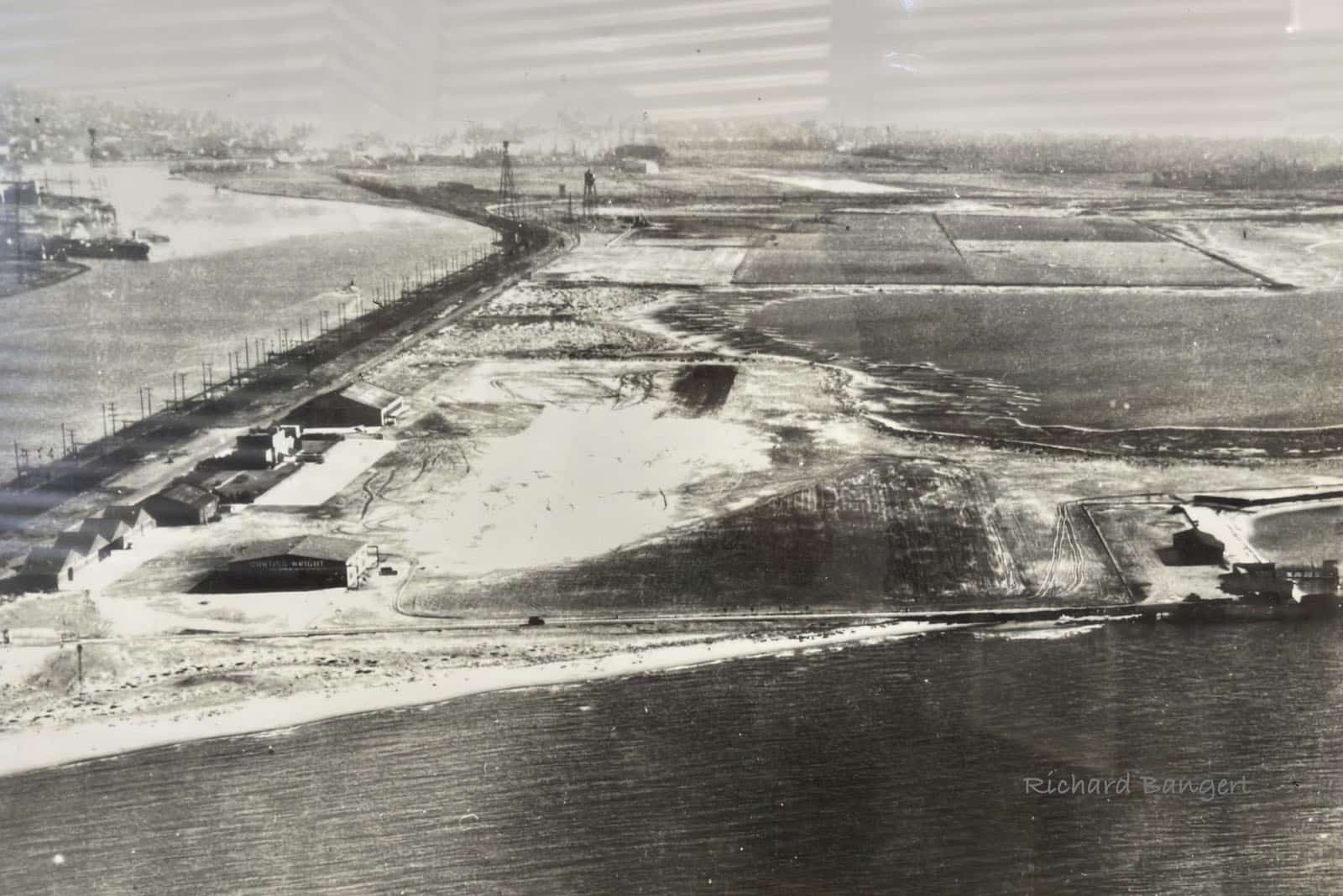
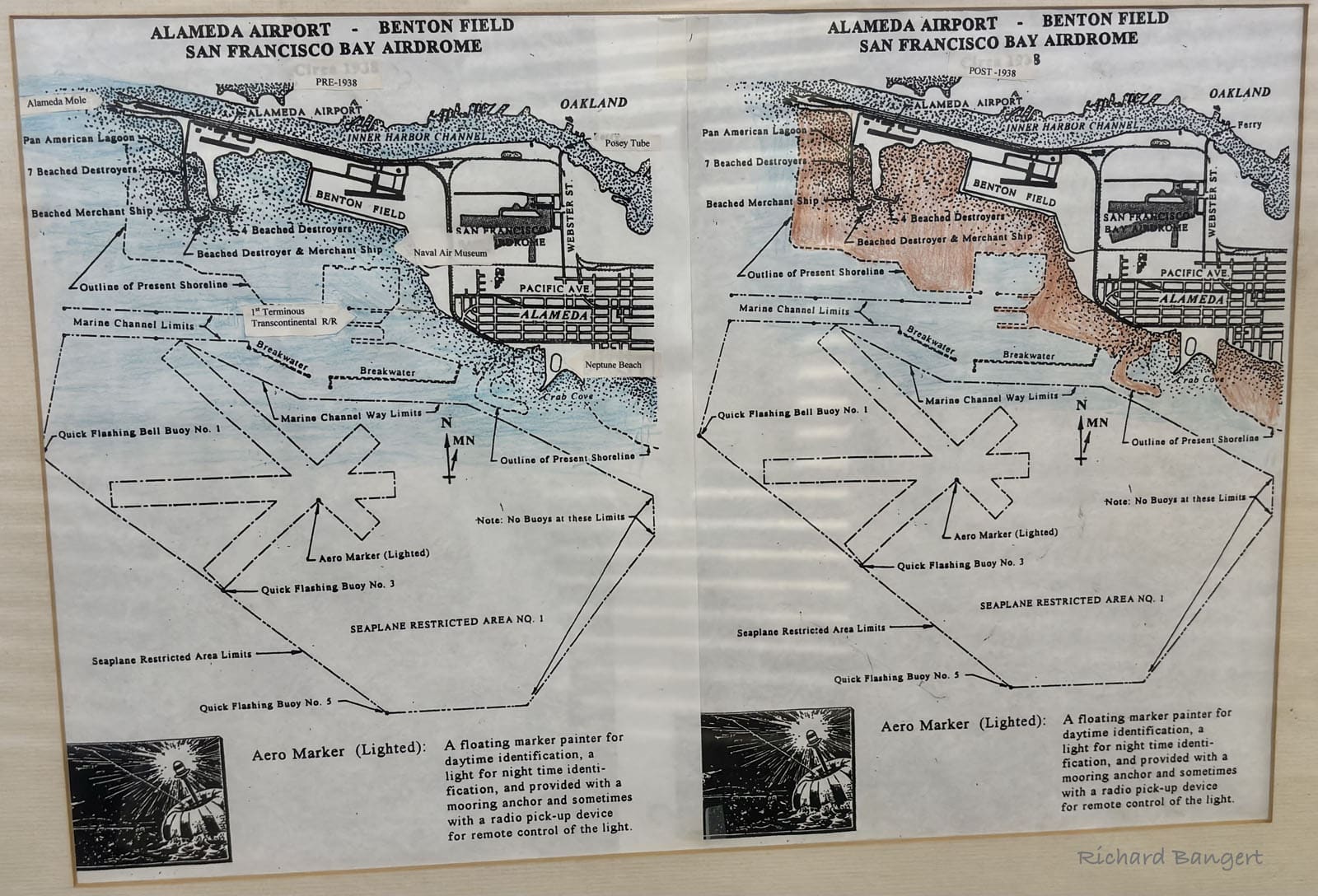
Aerial photos and maps include the aviation history of the area before the Navy base was constructed. One photo shows Alameda Airport buildings next to the railroad line, called the Alameda Mole, leading out to the tip where ferries departed for San Francisco.
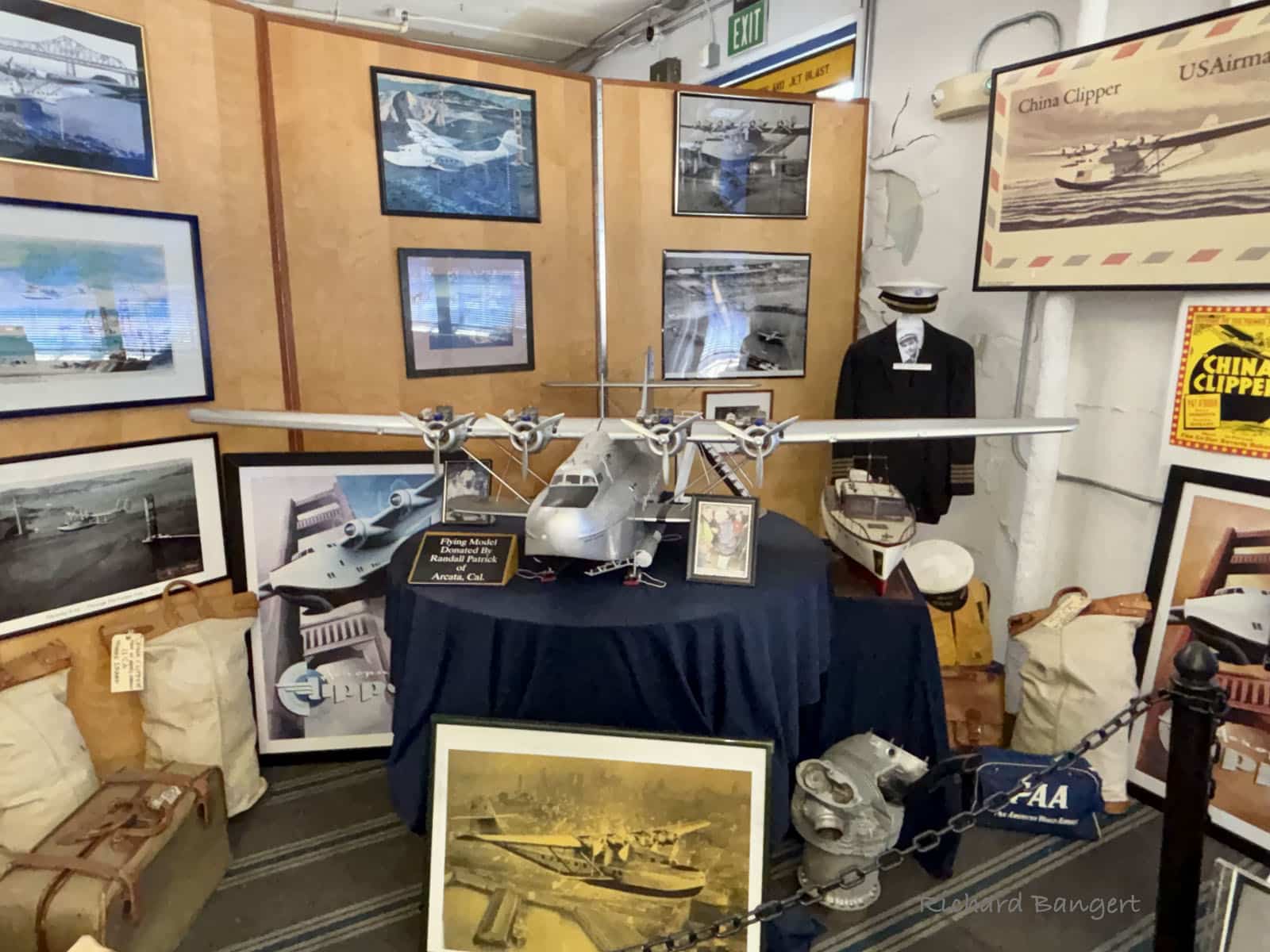
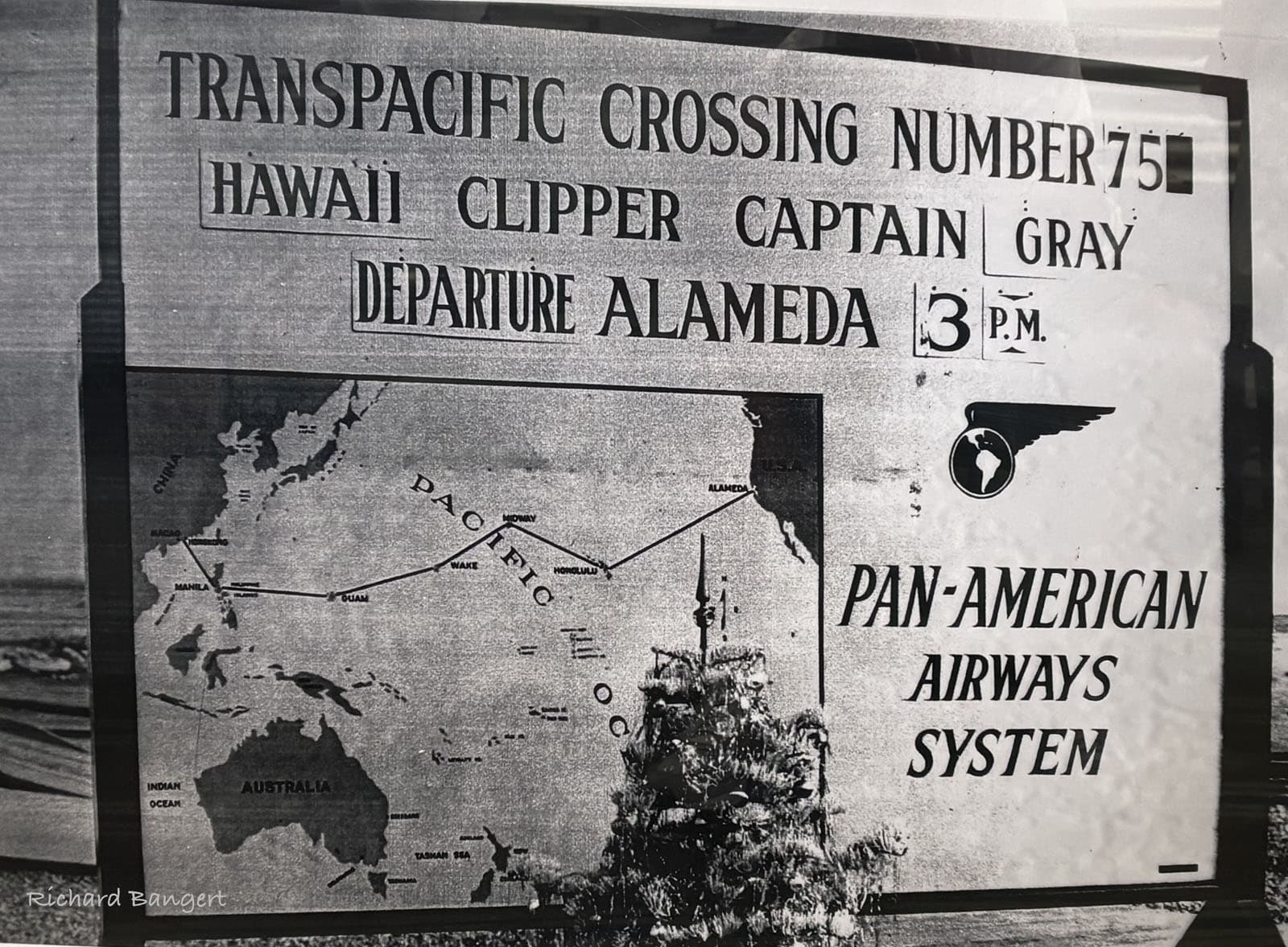
A special exhibition room about the Pan Am China Clipper, based at Alameda Point prior to construction of the Navy base, takes visitors back in time with video, photos, maps, news clippings, artifacts, and even a scale model of the aircraft. The China Clipper was a four-engine commercial seaplane that docked in Pan American Lagoon with its own terminal next to the Alameda Airport. The plane took off from Alameda in 1935, five years before the Naval Air Station opened, on its historic maiden voyagebound for Manila, Philippines—the first trans-Pacific commercial flight carrying mail.
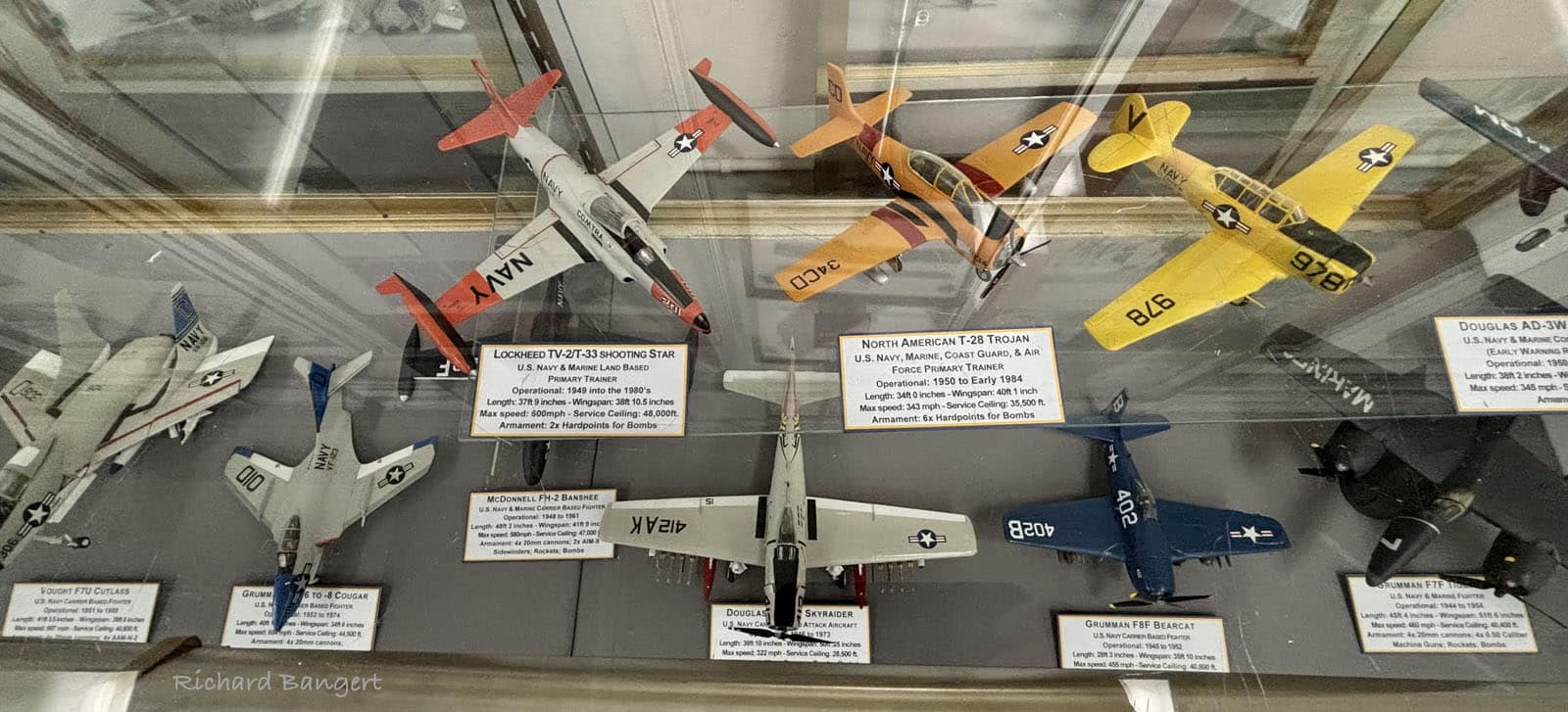
Hundreds of models of military aircraft are displayed throughout the museum. Some hang from the ceilings, others are displayed inside and on top of glass display cases. There are models of ships, including the once homeported-in-Alameda USS Enterprise aircraft carrier, complete with miniature aircraft on deck.
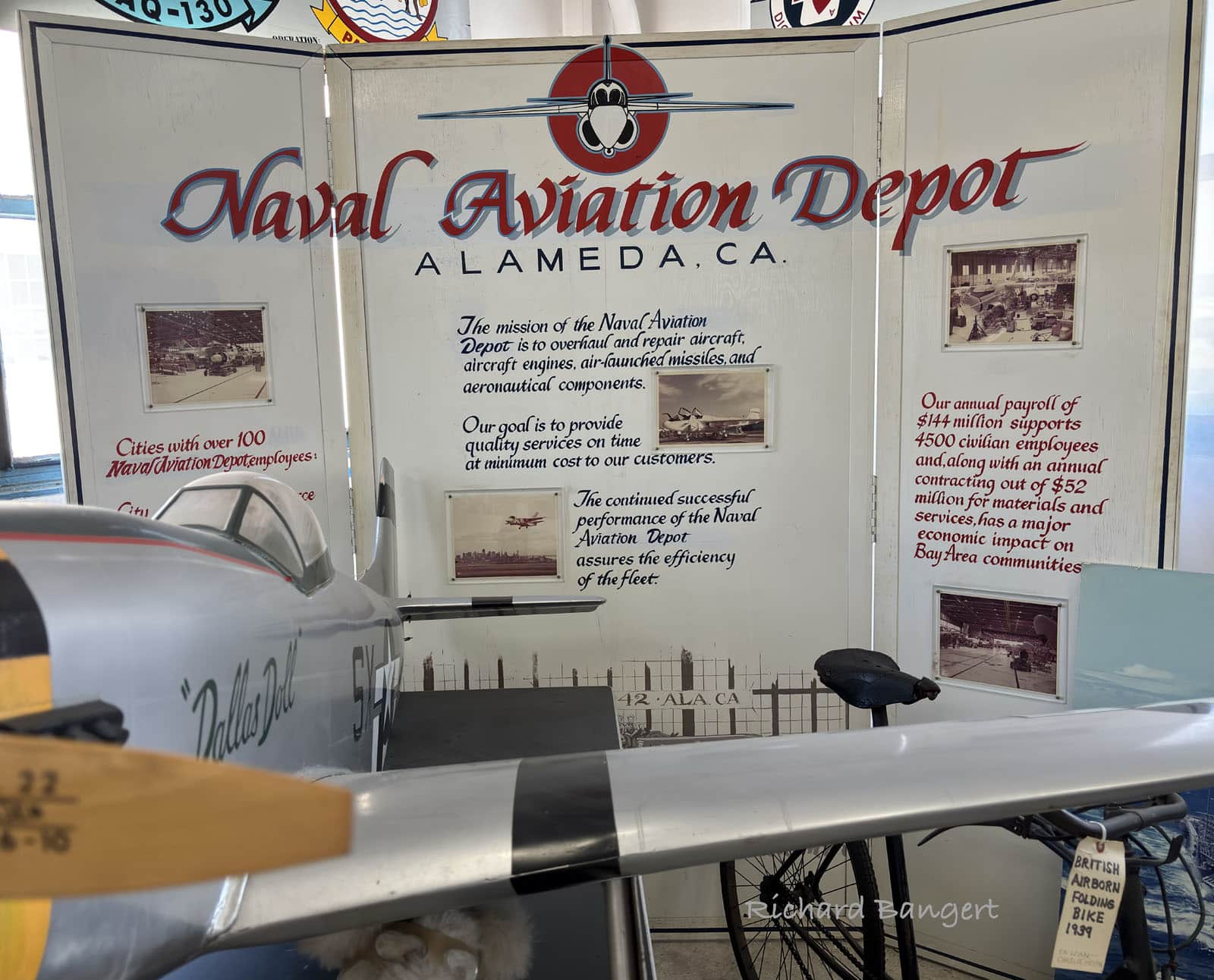
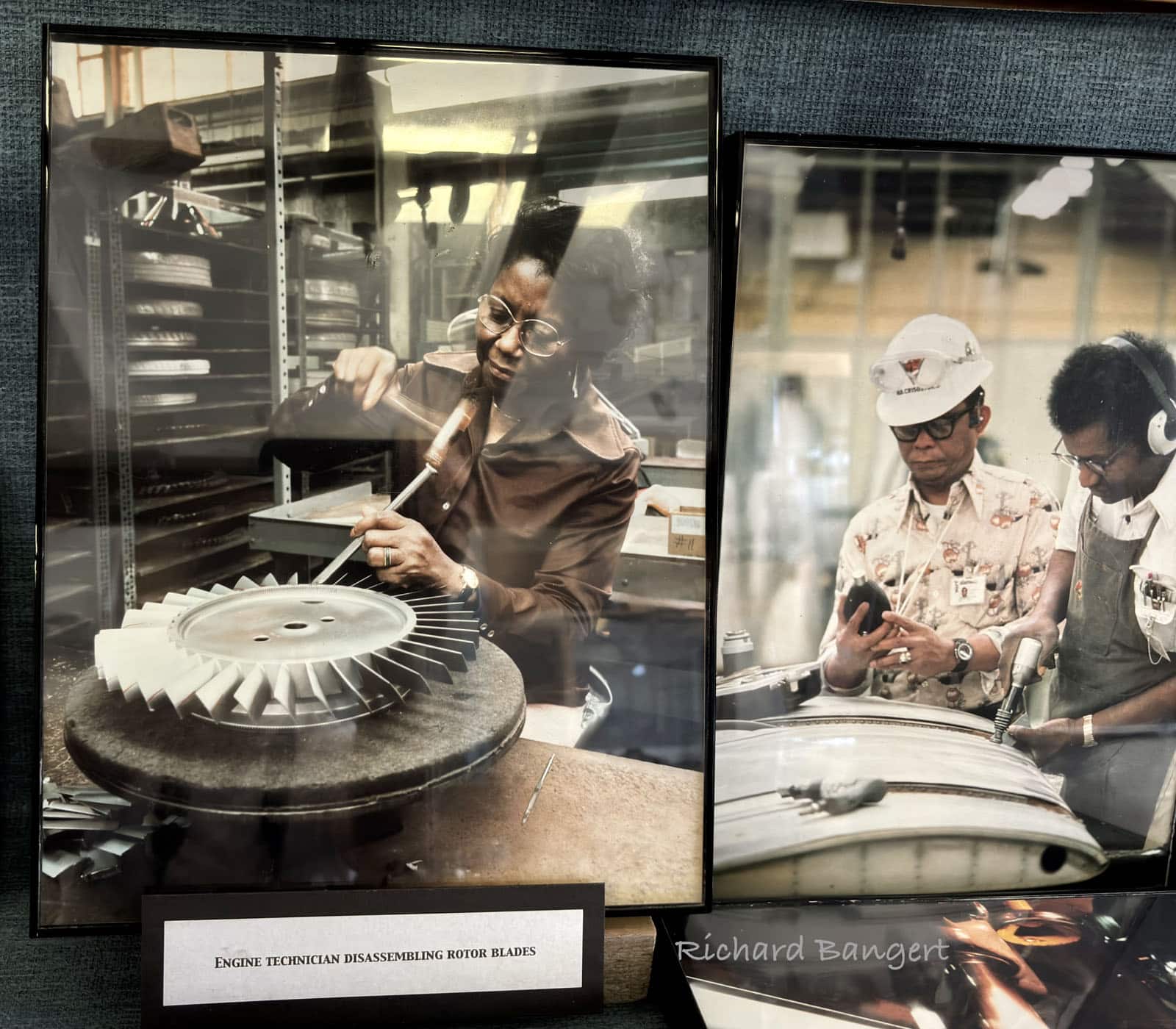
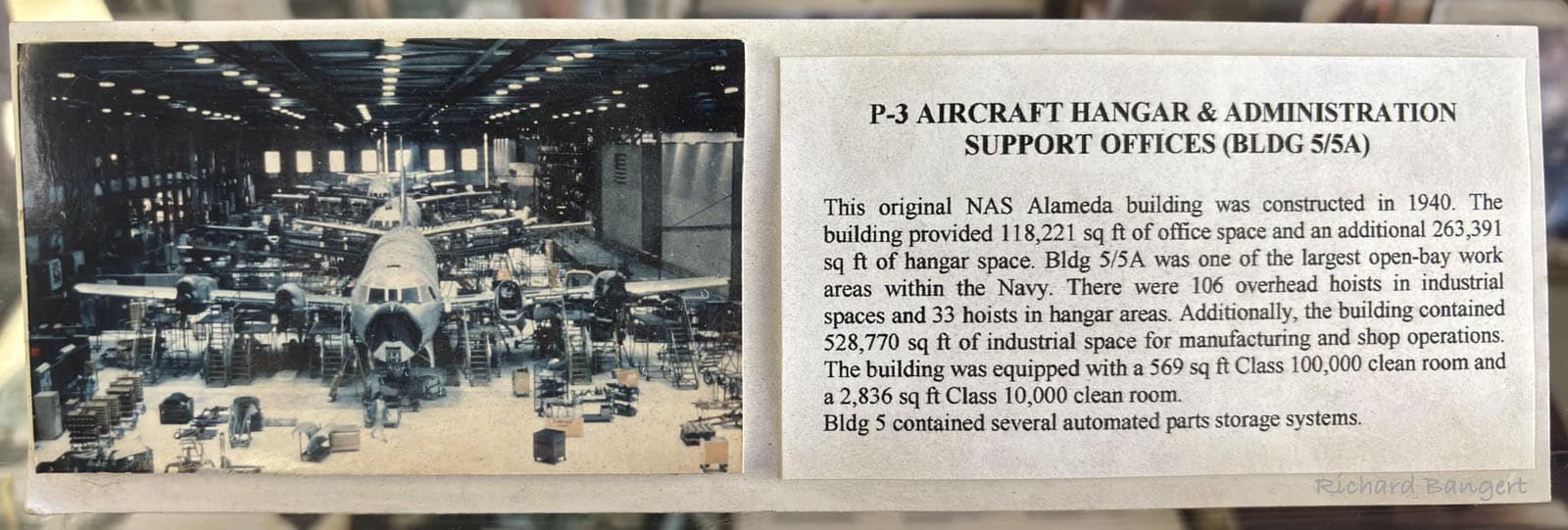
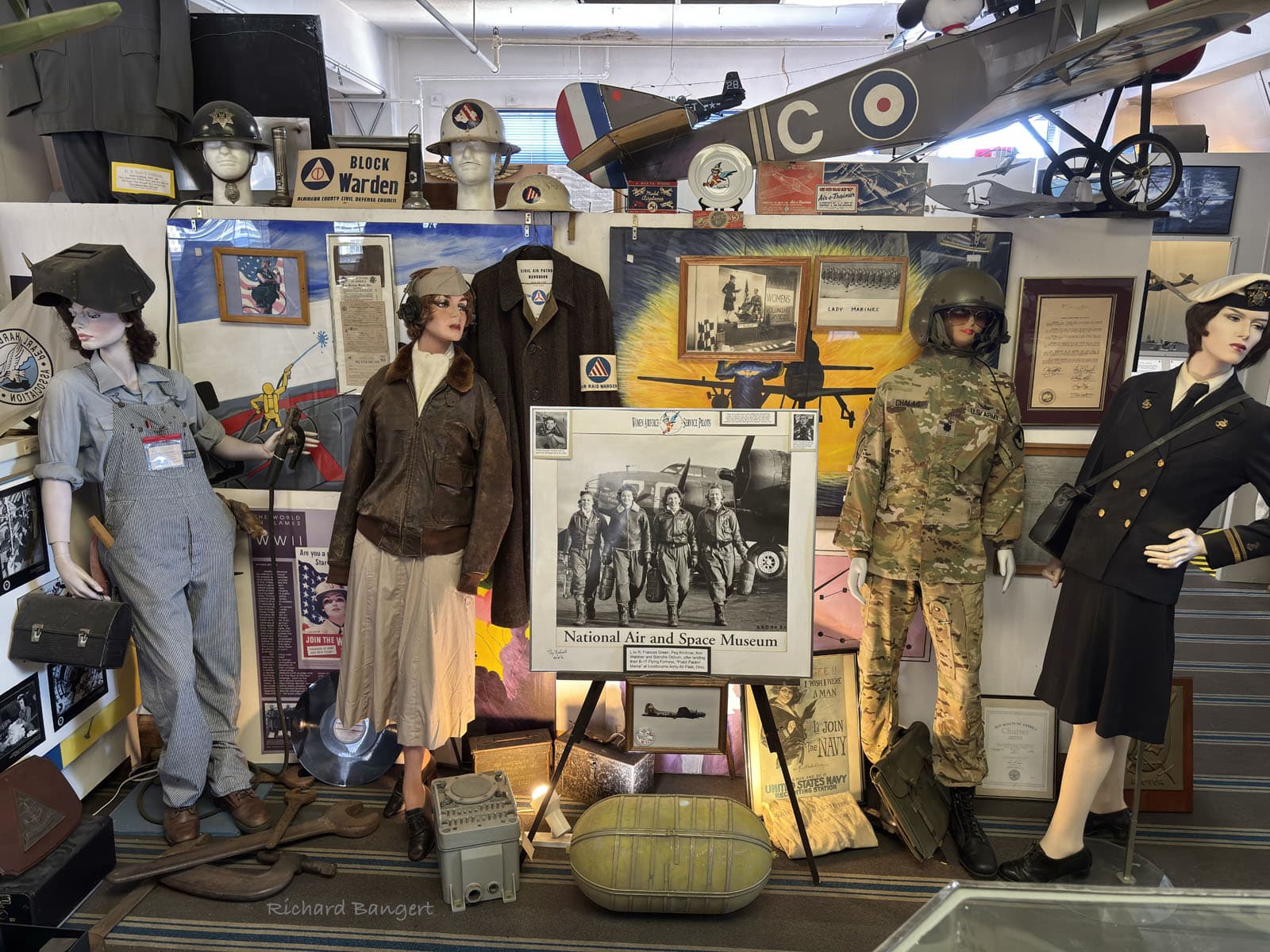
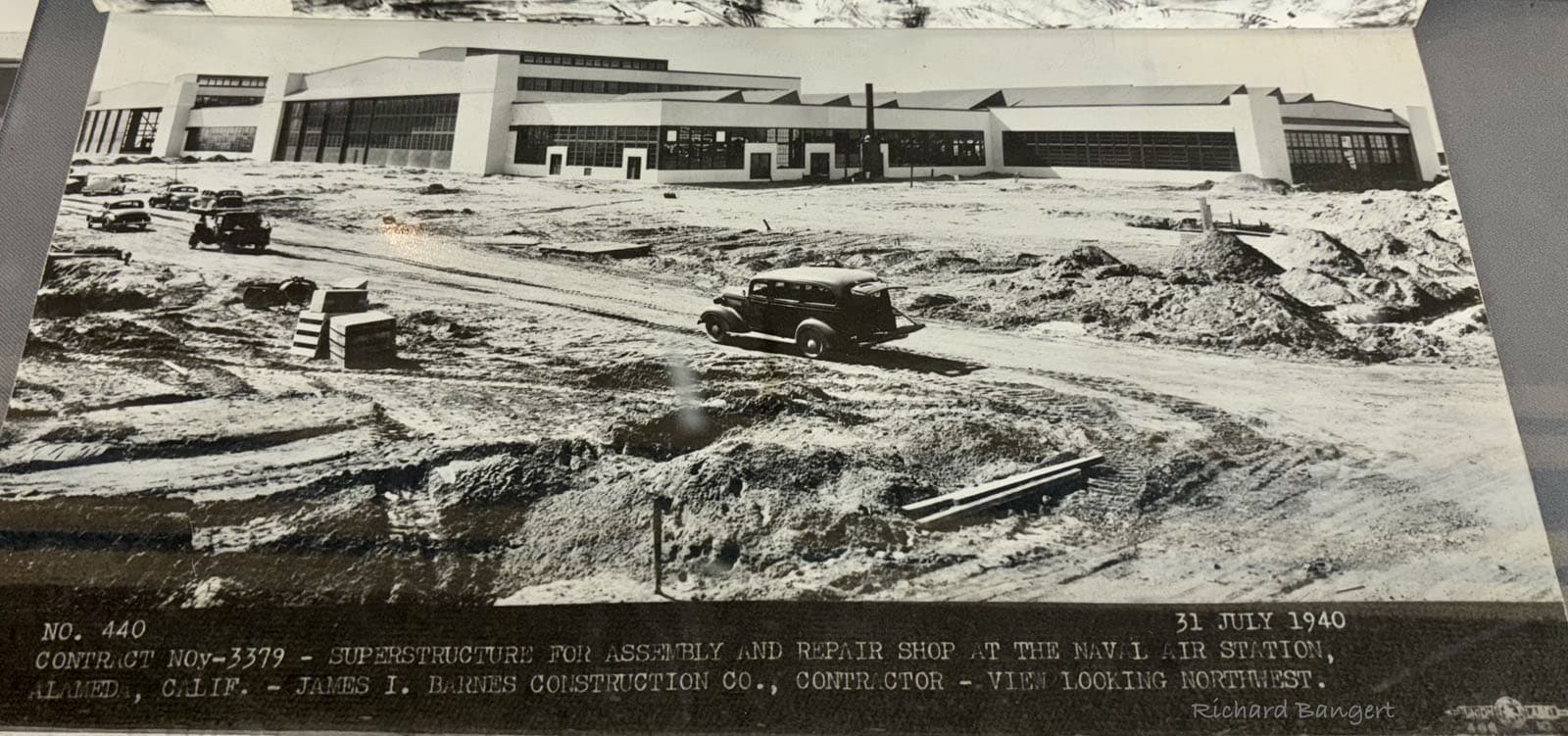
Among the many other displays are tributes to the civilian workforce that labored in the massive Building 5 hangar complex called the Naval Aviation Depot (later renamed Naval Air Rework Facility), refurbishing military aircraft from around the country. A display touts the $144 million in annual payroll supporting 4,500 civilian employees. Another exhibit highlights the roles of women in the Navy.




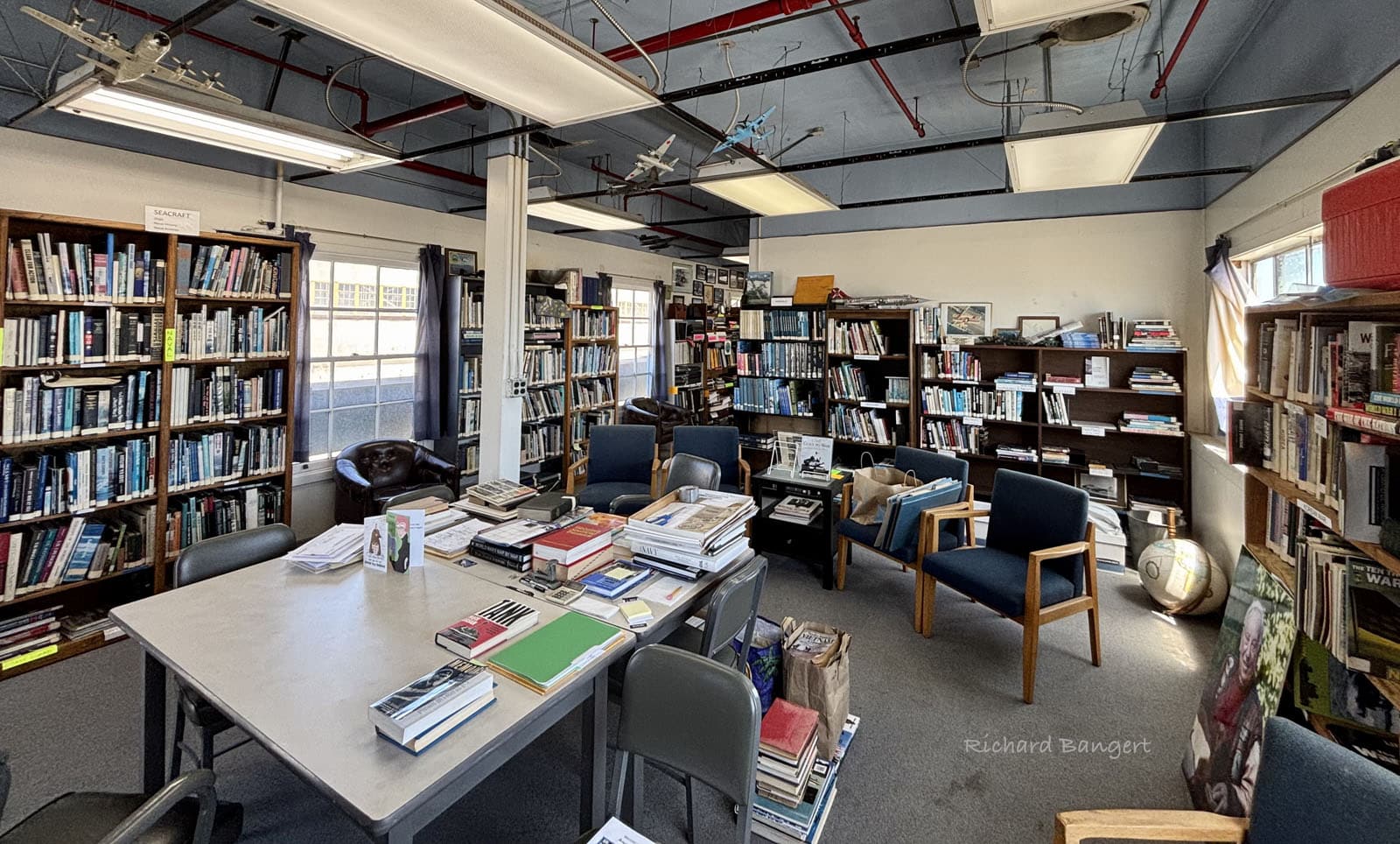
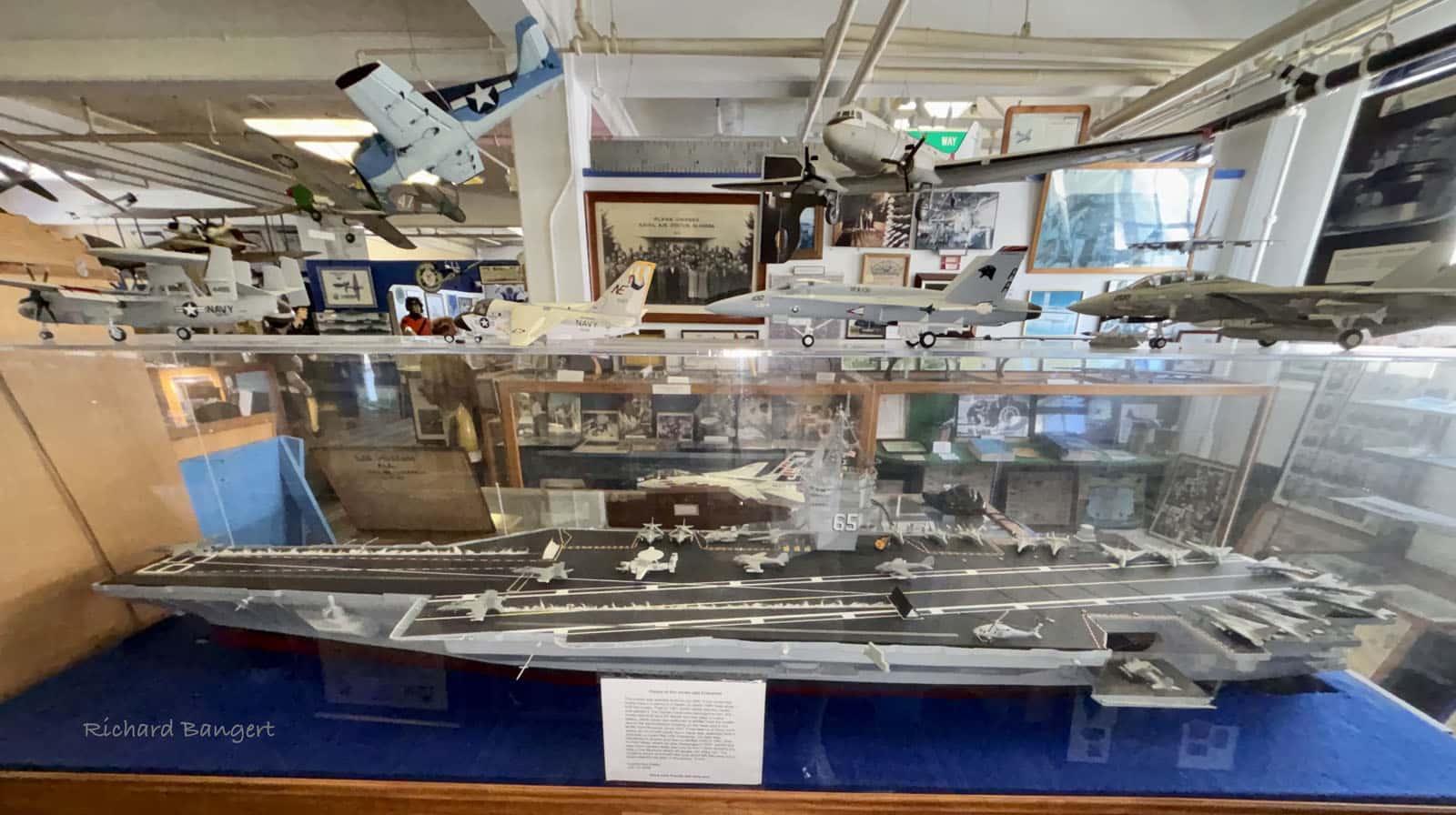
The library section is a cramped collection point for a trove of books, large historic maps and aerial photos of the area, yellowing editions of the base newspaper chronicling the life and times of the base, military publications, and donated scrapbooks of memorabilia from former Navy personnel stationed at the base.
In the near future, when the Navy no longer leases a room in City Hall West, the museum could potentially house the Navy’s clean-up documents and presentations, and even stage an exhibit. The most logical repository for that historical collection of information to be catalogued and preserved, including meeting minutes chronicling discussions by cleanup agencies and the community oversight board, would be the museum.
Previous struggles
The museum started operating in Hangar 41, directly behind the current museum building, in 1995 before the base closed in 1997. “However, the poor condition of the hangar and a lack of money for upgrades forced [the museum] to move the collection into storage in 1997,” according to Wikipedia.
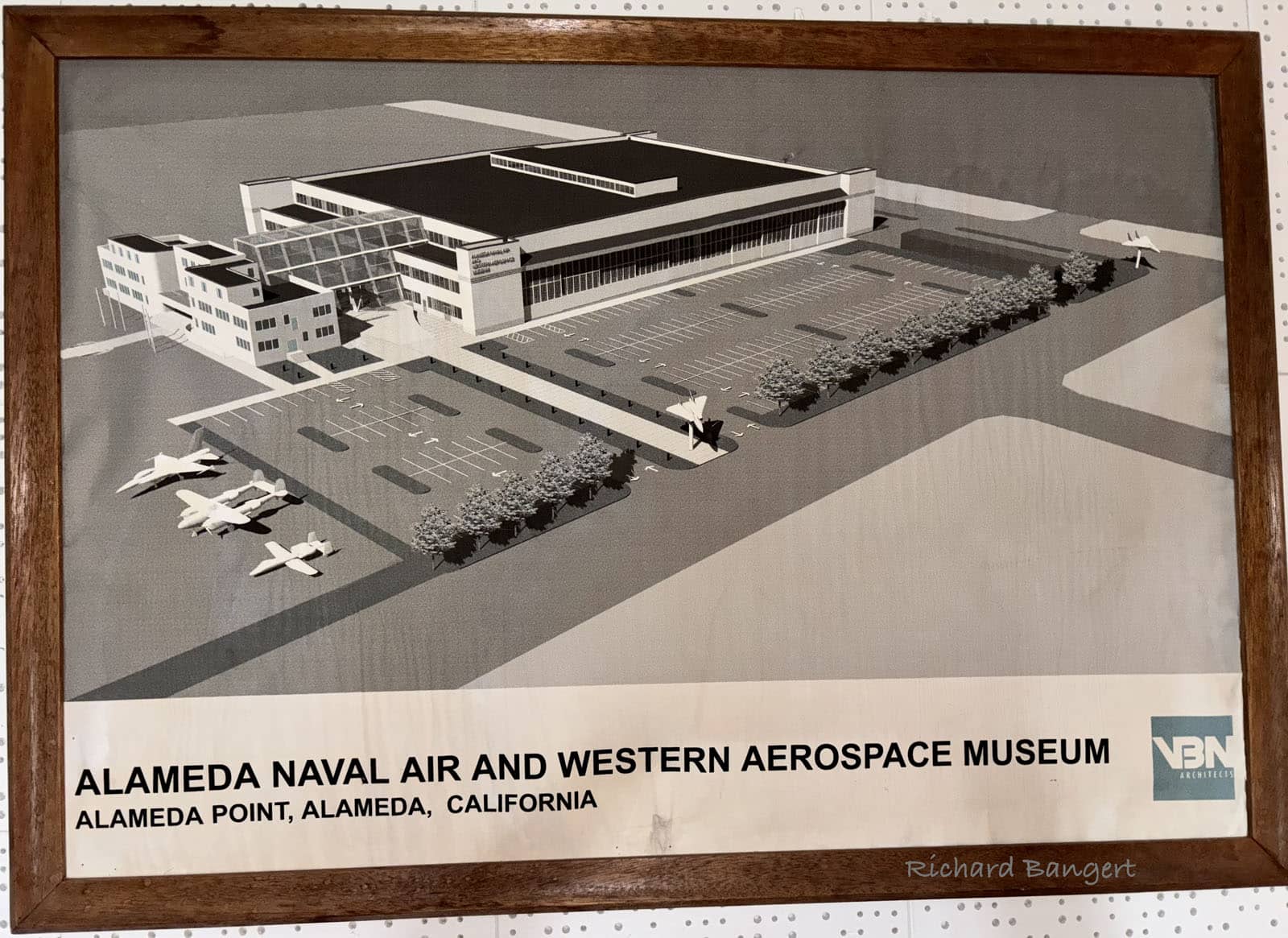
A contentious discussion as to whether the City should allow Hangar 41 to be part of a future air museum that would include historic planes from the Oakland Aviation Museum (then called Western Aerospace Museum) is recounted in the minutes of the August 4, 1999 Alameda Reuse and Redevelopment Authority (ARRA) meeting. ARRA was the official local reuse authority for the base until 2012 when California abolished redevelopment agencies and the City Council became the reuse authority for the base. A remnant of that discussion is illustrated on an architectural rendering of the proposed museum complex hanging in today’s museum titled “Alameda Naval Air and Western Aerospace Museum.”
The ARRA board was concerned about foregoing much-needed lease revenue from a potential for-profit commercial lease of the hangar that could go toward maintenance of the base. The board agreed to a trial period, but ultimately the museum group could not raise the funds for code upgrades to the hangar to operate a public museum.
In April 2001, the museum’s lease for the hangar expired, according to Wikipedia. As a result, it moved to its current location, historic Building 77 (the former air terminal), and reopened in 2004.
In 2011, an I on Alameda article by Irene Dieter, “Alameda Naval Air Museum Needs Help,” pointed out the museum’s struggles that remain to this day.
History of the former naval air station is still in the making. Alameda is weighing the stakes and the political will to preserve its story.
Contributing writer Richard Bangert posts stories and photos about environmental issues on his blog Alameda Point Environmental Report. His writing is collected at AlamedaPost.com/Richard-Bangert.

