This month’s history walking tour [1] will take a close look at what might have been had Alameda voters not come together for a cause they believed in. In 1981, a team of historians and planners created a document that produced Park Street’s Historic Commercial District. This manuscript describes buildings along three blocks of Park Street along with shops and businesses on Lincoln, Webb, Santa Clara, Alameda, and Central avenues.
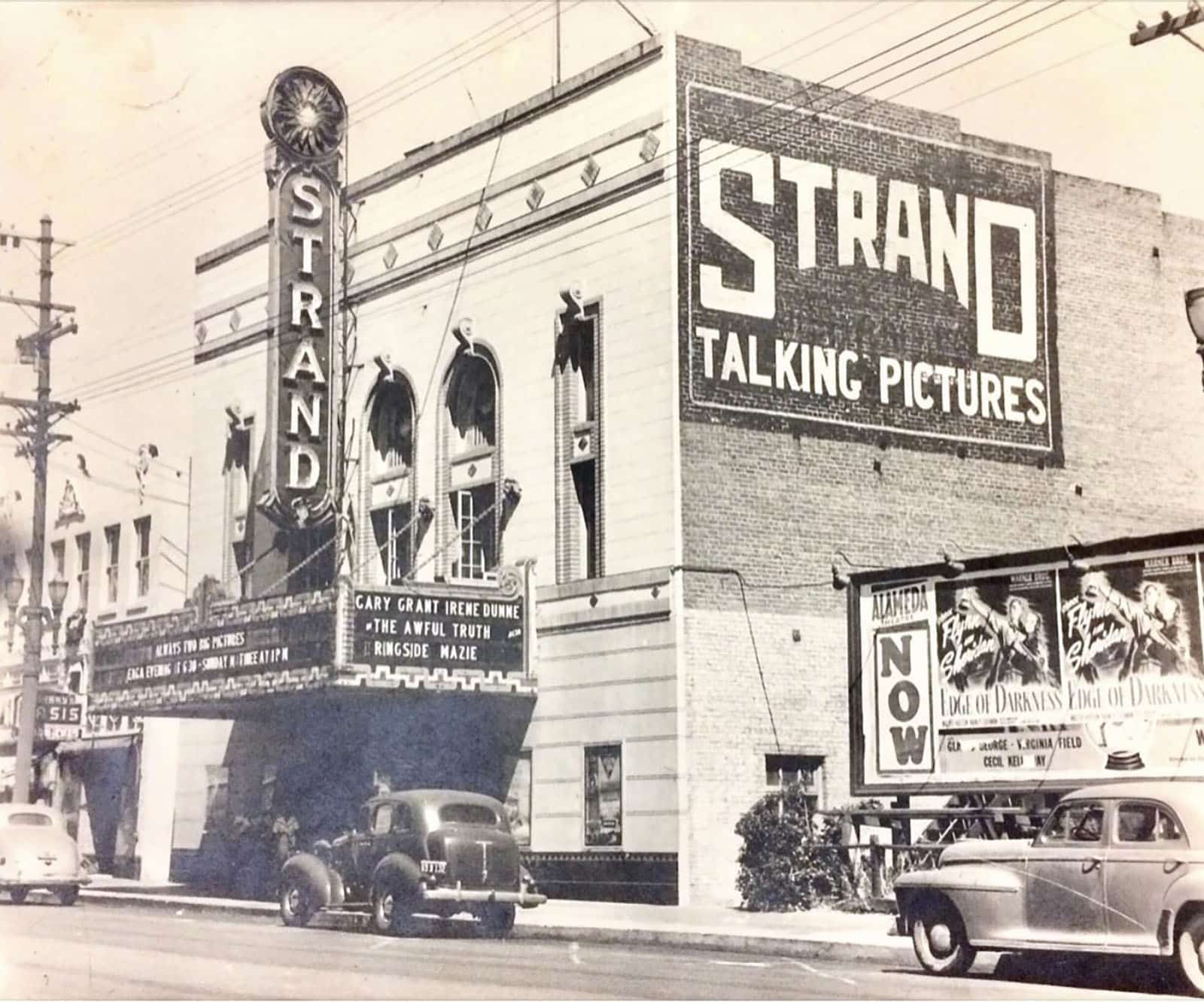 [2]
[2]The survey defined “older” buildings as those constructed before 1909, when the City began requiring building permits. Of the 72 buildings in this historic district, 40 rose up before 1910, 24 before 1897, and 16 between 1897 and 1910.
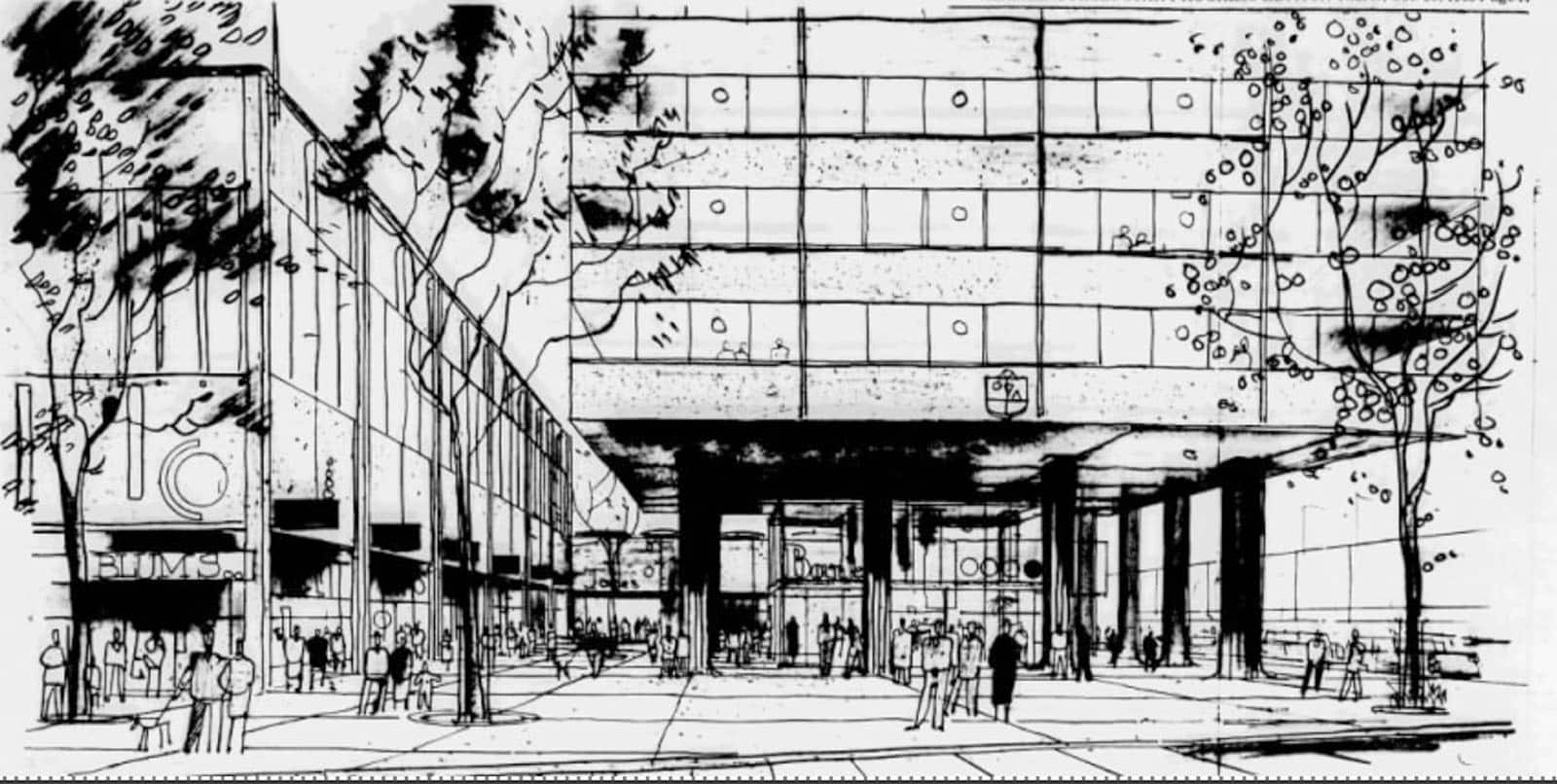
If the Alameda Redevelopment Agency had gotten its way 19 years earlier, this district would not exist today. In 1962, this agency began actively implementing “Park Centre,” a plan to “modernize” Park Street. Their idea could get federal funding if the City would declare Park Street a slum. The City went along with the idea, as did a majority of Park Street’s businesses. Surprisingly, the Alameda Historical Society agreed that none of these “older” buildings were worth saving. Why not just tear them down and put up glass-fronted high-rises instead?
And while we’re at it, let’s “eliminate” all the homes and businesses on three streets between Park Street and Oak Street—San Antonio Avenue, Alameda Avenue, and Times Way. Imagine living on or owning a business on the 2300 block of these streets and learning that you would lose your home or business to the agency. The agency would pay you a “fair” price and demolish where you lived or worked “to allow greater land usage.”
 [3]
[3]For example, the agency would demolish the brick Masonic temple on Park Street and clear Alameda Avenue of the second temple, the Eagles’ hall, and the homes that lined the Avenue across from the hall. You lived on the 2300 block of San Antonio or owned a business on the same block of Times Way or Alameda Avenue? Farewell to you in the name of progress.
You made your living on Park Street and lived above your shop? We’re sorry, but you and all the other folks doing business in and living above these shops on Park Street would have to go. If you lived or worked in an “older” home or shop on the east side of Oak Street from San Antonio Avenue north to Buena Vista, your place would have a date with the wrecking ball. Everything “older” on the south side of Buena Vista between Oak and Everett streets would suffer the same fate, as would all the “older” structures on Everett between Buena Vista and Central avenues.
What would all this devastation do to property values of homes and businesses across the street from all this so-called progress? This mattered little to the agency that was bringing $15 million ($157.3 million in 2026) to the table.
Join us for A Walk Through Park Centre with Dennis Evanosky
Did you know that the City of Alameda once declared that Park Street was a slum? The Park Centre project meant tearing nearly everything down. But the ladies who lived on Marti-Rae Court would have none of it. When they forced this idea to a vote—less than 10 years after voters approved South Shore—the results sent the developers packing. Dennis will show us the former sites where three buildings they took down in anticipation once stood. (There’s even a murder story on this walk!) Tickets are $20 per person. Get yours now for Saturday, May 16 [5], or Sunday, May 17 [6]and get more tour information on the Alameda Post History Walking Tours webpage [7].
The agency held debates with spokespeople opposed to their grand idea, treated all comers to dinner at the Galleon restaurant along the Estuary (today’s Pacific Lighthouse), and shared their plans with anyone willing to listen at meetings in school gymnasiums.


Opponents had their own way to get things done. They formed the Citizens’ Committee for Property Rights and collected enough signatures to get two propositions put on the ballot. One would prohibit the Alameda Redevelopment Agency (or any entity) from going forward with such a plan without first getting voter approval. The other allowed voters a chance to give a “thumbs up or thumbs down” on proceeding with Park Centre.
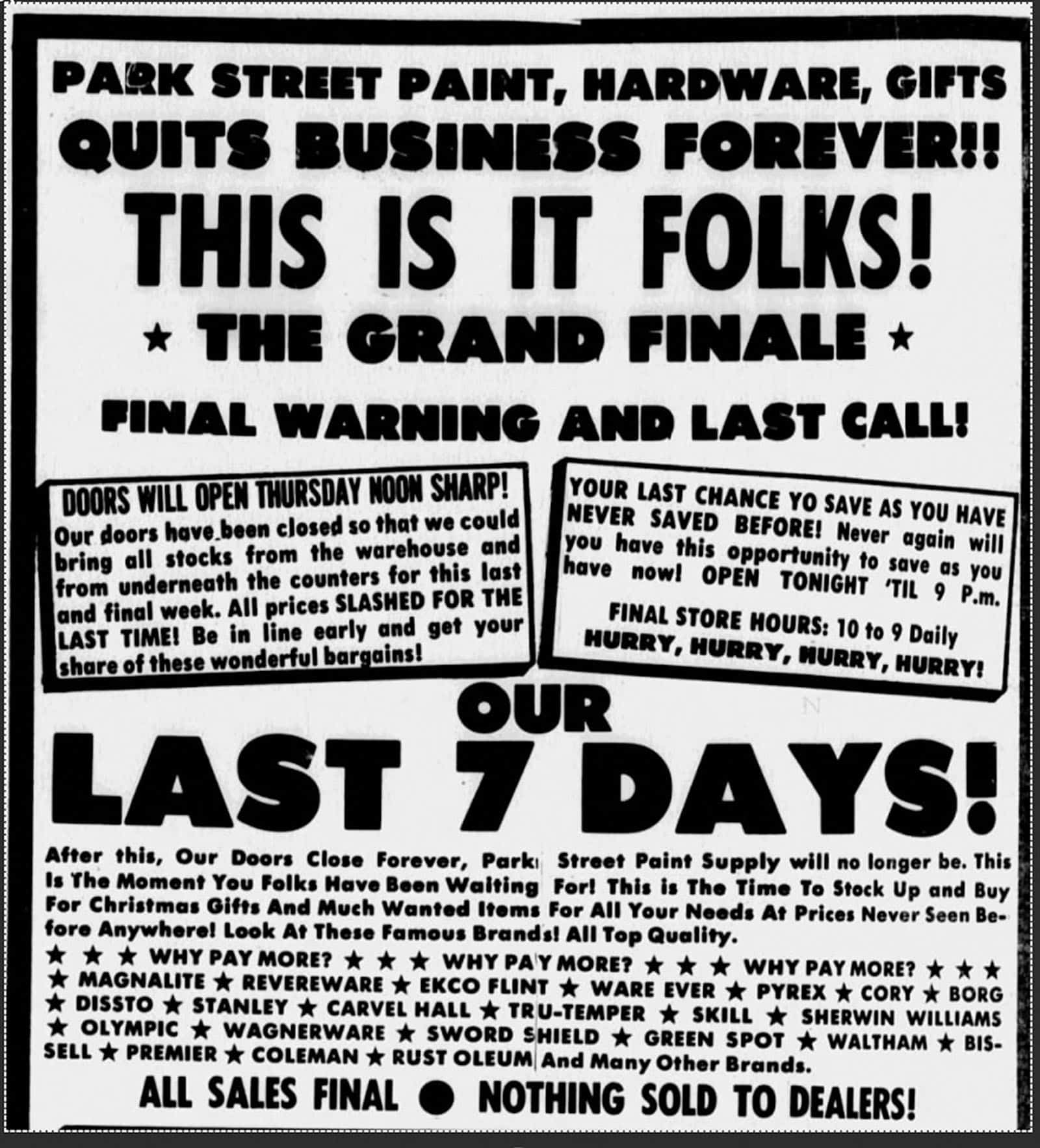 [8]
[8]On June 30, 1964—“D-Day” as the Alameda Times-Star called the last day in June that year—arrived. Voters went to the polls. They not only shot down the Park Centre scheme but required that any such scheme go to the voters first.
Here’s how it went.
Proposition A: Should the City Charter require elections on state or federally financed urban-renewal projects? Yes: 8,039. No: 2,940.
Proposition B: Should the Alameda Redevelopment Agency proceed with Park Centre? Yes: 2,925. No: 8,095.
Park Street and its environs survived this onslaught. The voters sent Park Centre packing, made certain that they would have the first say in any future plans that the Alameda Redevelopment Agency might have to “modernize” the City, and Alameda would celebrate its new historic commercial district in 1981.
Dennis Evanosky is the award-winning Historian of the Alameda Post [9]. Reach him at [email protected] [10]. His writing is collected at AlamedaPost.com/Dennis-Evanosky [11].