Just 71 miles from Alameda is a vast landscape of rolling hills, oak trees, wildlife, and miles of hiking, biking, and equestrian trails. Comprising 87,000 acres of largely undeveloped land, Henry W. Coe State Park is the largest state park in Northern California. Only Anza Borrego Desert State Park in Southern California is larger. See “The Road Less Traveled [1]” for my story on that vast park.
 [2]
[2]A December getaway
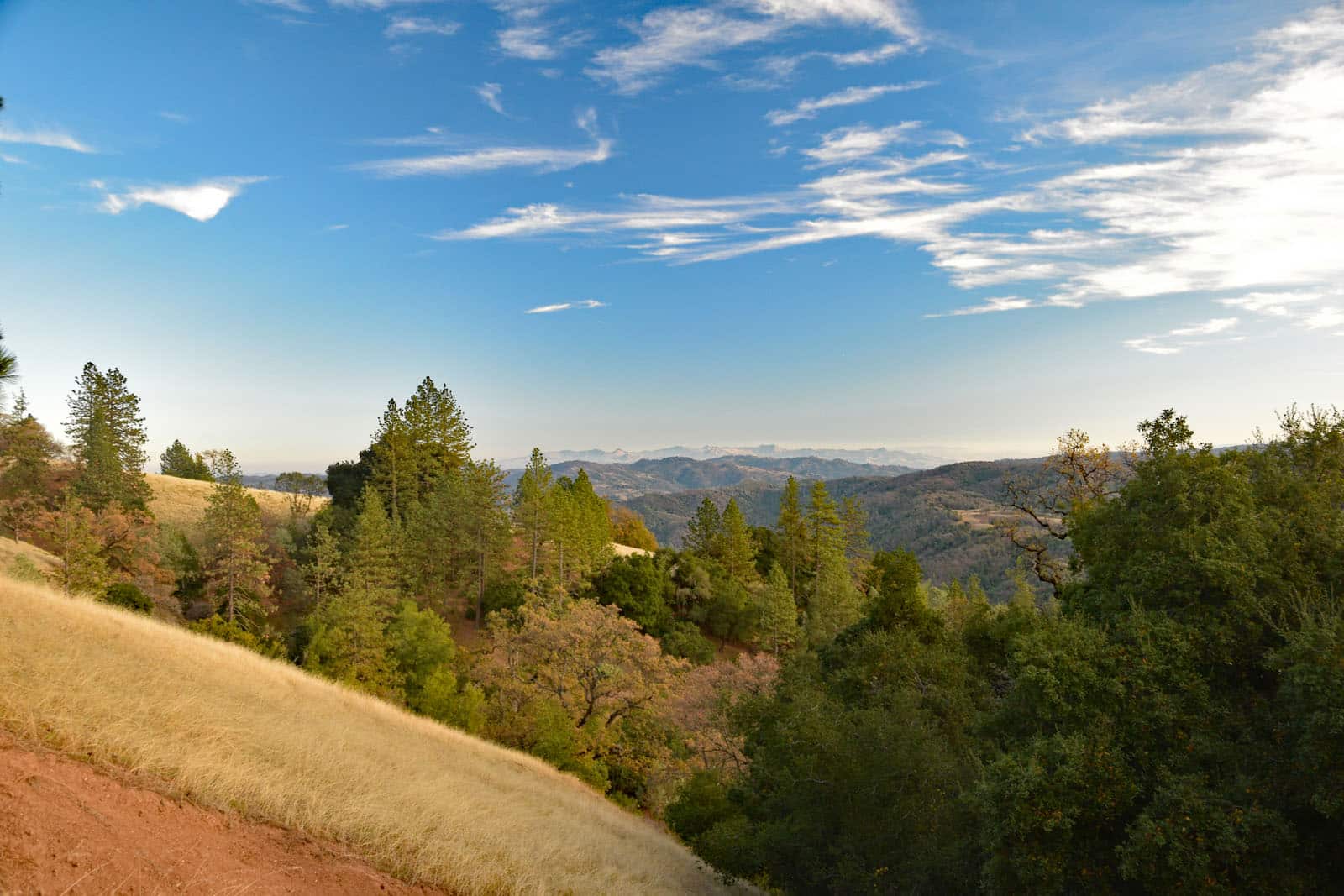
My wife Edie and I like to go camping about once a month, when possible. In the winter months, when the high elevation campgrounds in the Sierra Nevada are closed for the season, we set our sights on the more temperate coastal ranges, such as the Diablo Range, which stretches from the eastern San Francisco Bay Area at its northern end to the Salinas Valley area at its southern end. Coe Park is part of that range, and the campground sits at an elevation of 2,600 feet, reached after an often steep and winding 13-mile drive up from the town of Morgan Hill.
 [4]
[4]From Ohlone land to state park
Once inhabited by the native Ohlone people, this land eventually was taken by the Spanish explorers, and later incorporated into the Mexican land grant system. New Hampshire native Henry W. Coe started the Willow Ranch in the Santa Clara Valley in 1858, and his sons Henry Jr. and Charles purchased 6,000 acres in the Diablo Range for their cattle ranching business in the late 1880s and 1890s. These lands would eventually become part of the state park system when Henry W. Coe’s granddaughter Sada Sutcliffe Coe Robinson deeded the land to be used as a park in 1953.
 [5]
[5] [6]
[6]Ridges and canyons
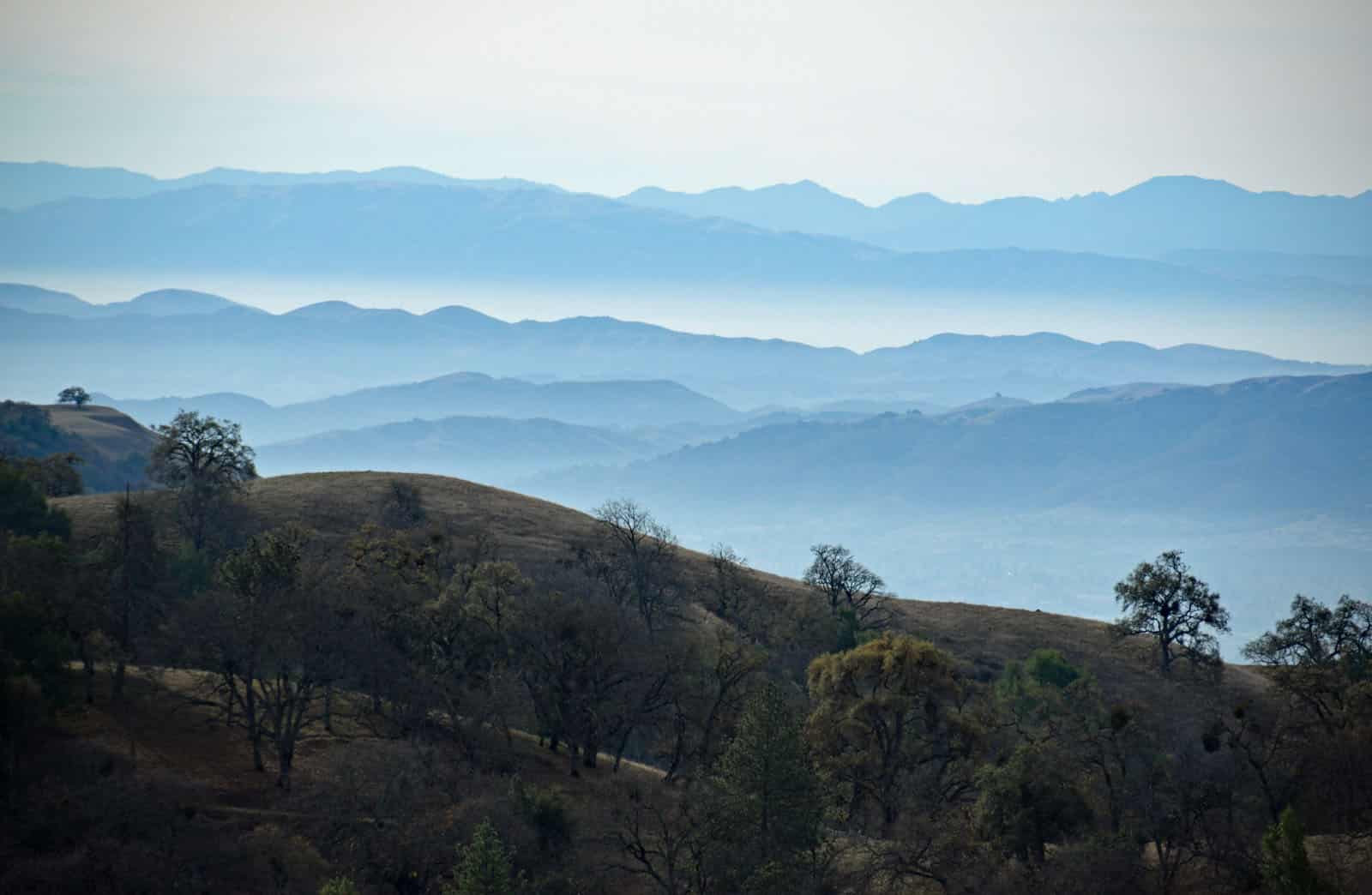
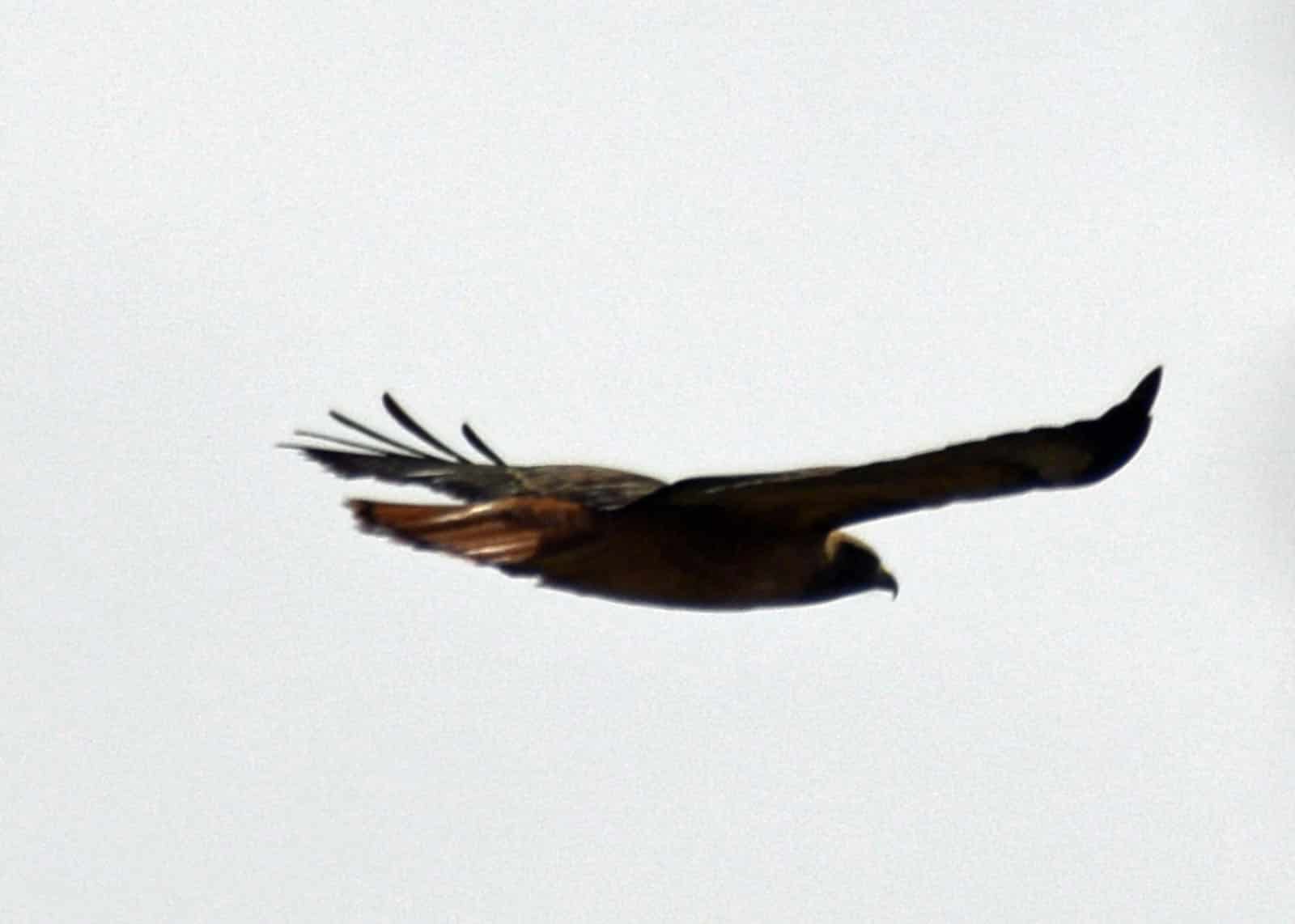
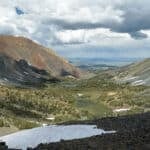
The land that makes up Henry W. Coe Park was used for cattle grazing from the 1880s into the 1960s. Ranching roads, ponds, and vintage fencing are still part of the historic landscape to this day. Adjacent ranches were acquired over the years to expand the park and protect critical habitat, which provides a home to numerous species of plants, birds, mammals and amphibians. Hiking in Coe can be a quite varied experience, with trails ranging from ridges as high as 3,560 feet above sea level, to wide open grassy valleys, to cool, deep canyons along creeks and rivers. While temperatures here can easily exceed 90 degrees in summer, daytime temperatures during our trip were in the comfortable 60s.
 [7]
[7]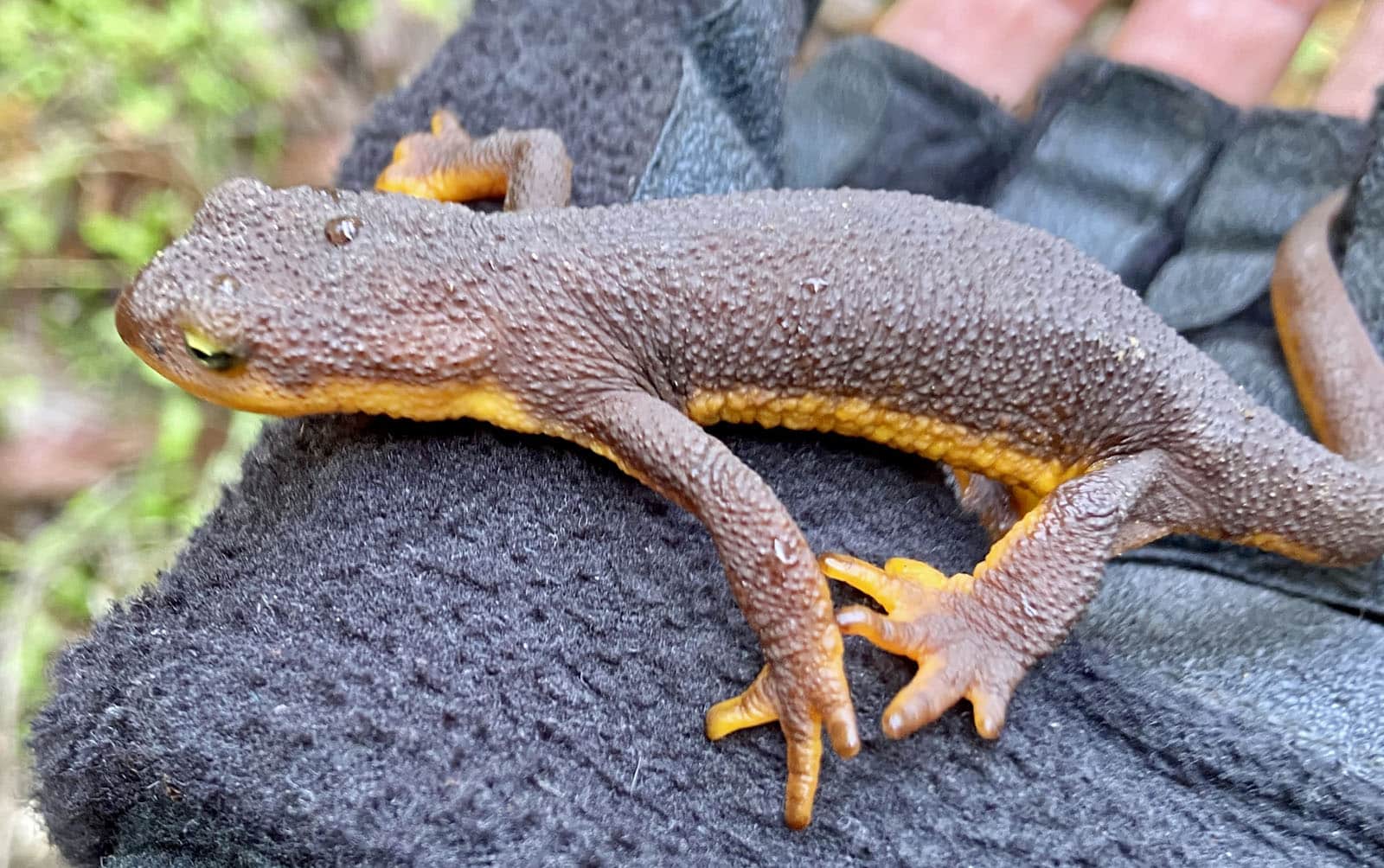 [8]
[8]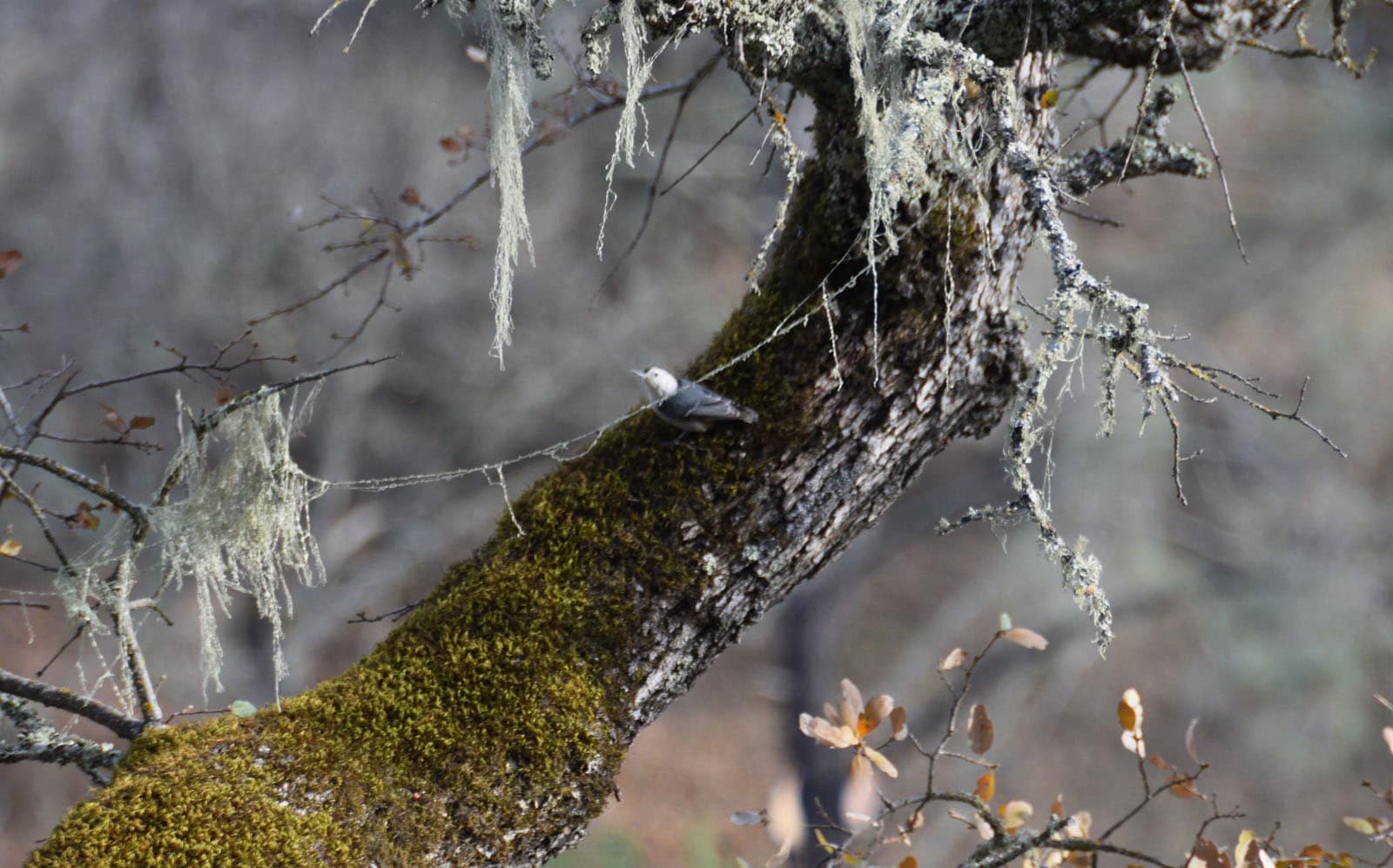 [9]
[9]A new winter tradition
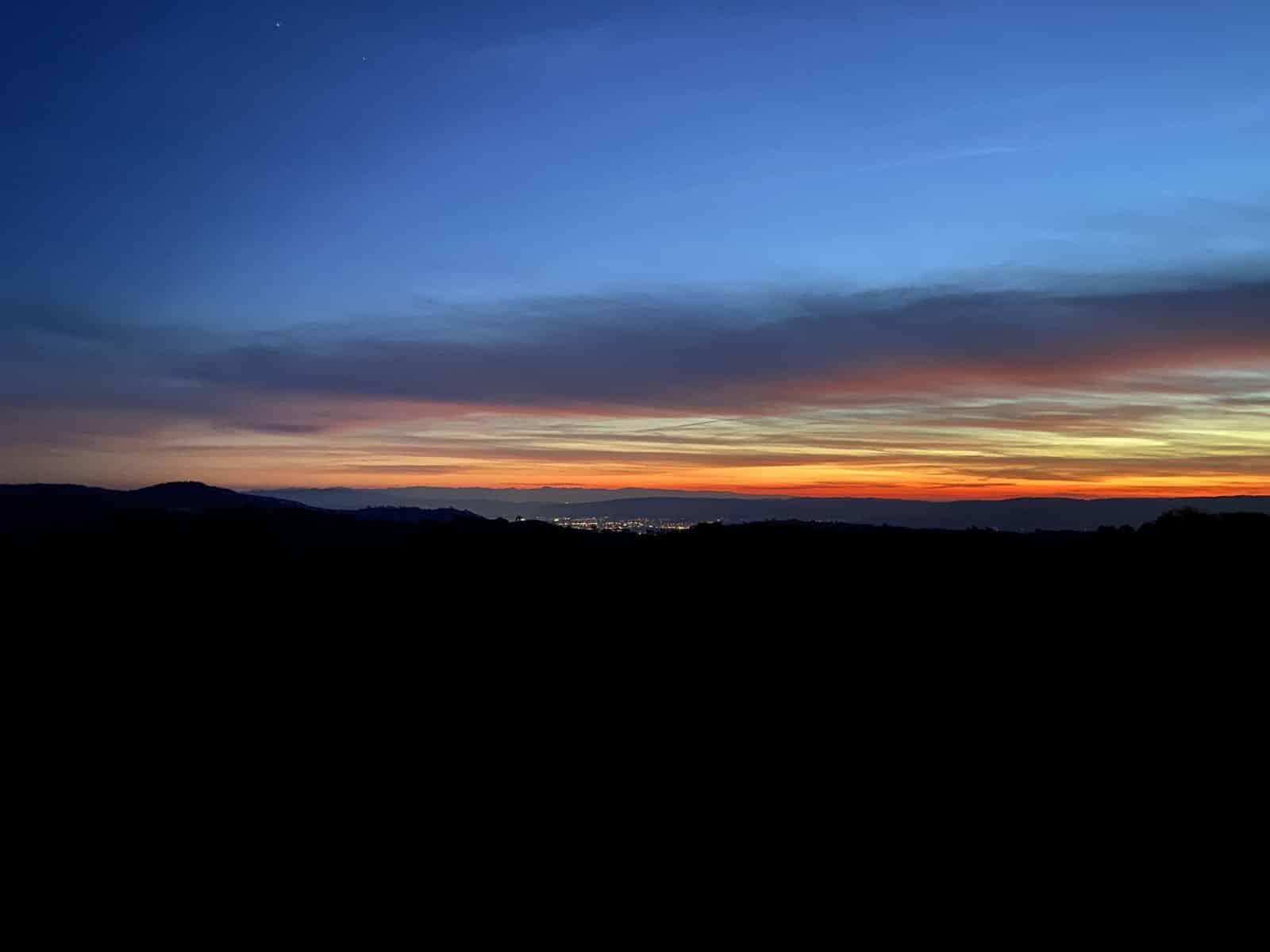
This was our second December in a row camping at Coe Park, and it’s slowly becoming a new favorite of ours. December camping offers some unique benefits over summer, such as uncrowded conditions, peace and quiet, cooler temperatures, and beautiful early sunsets. As we said to the ranger when we checked out, “We’ll be back.”
 [10]
[10]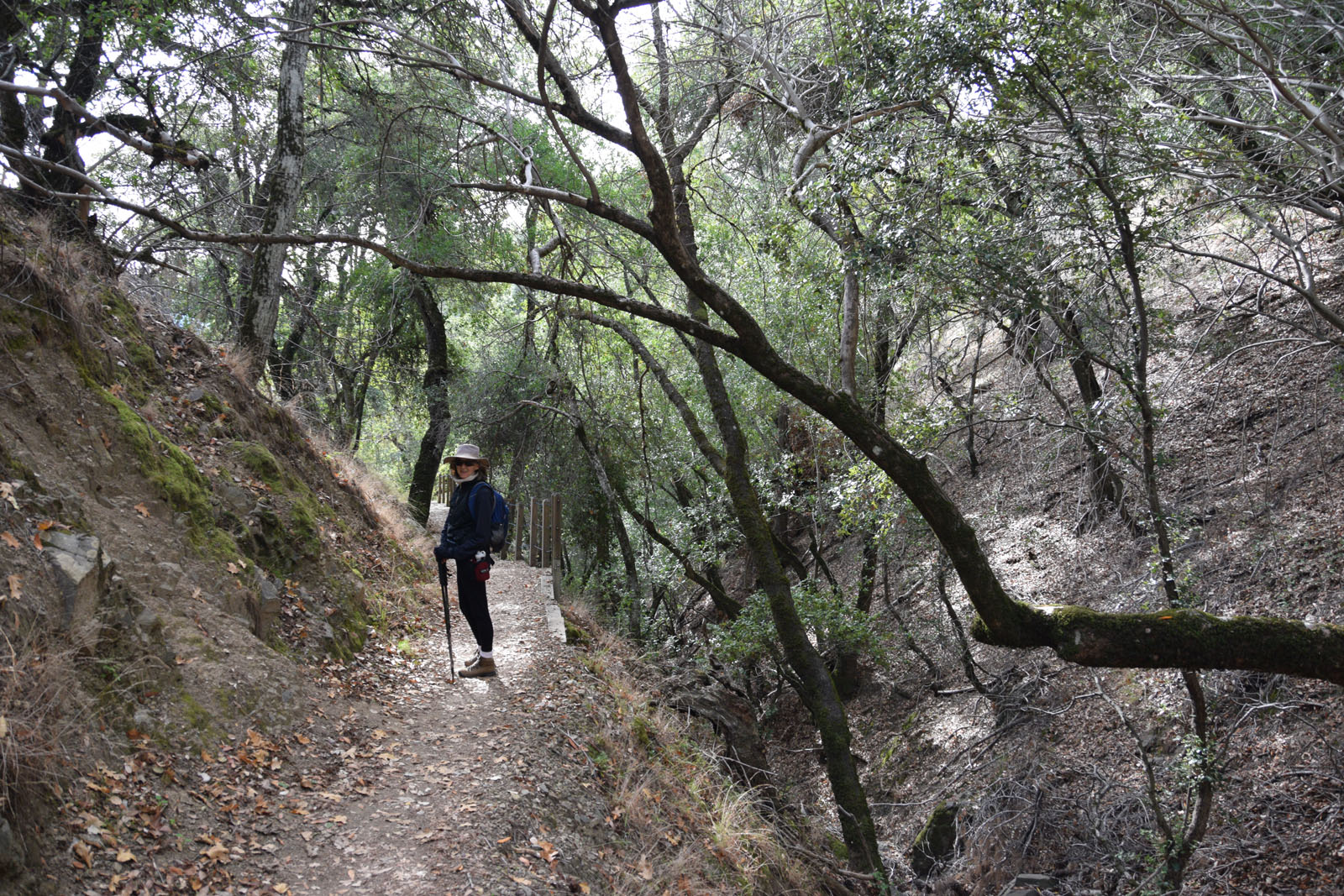 [11]
[11]A peek at Henry W. Coe State Park
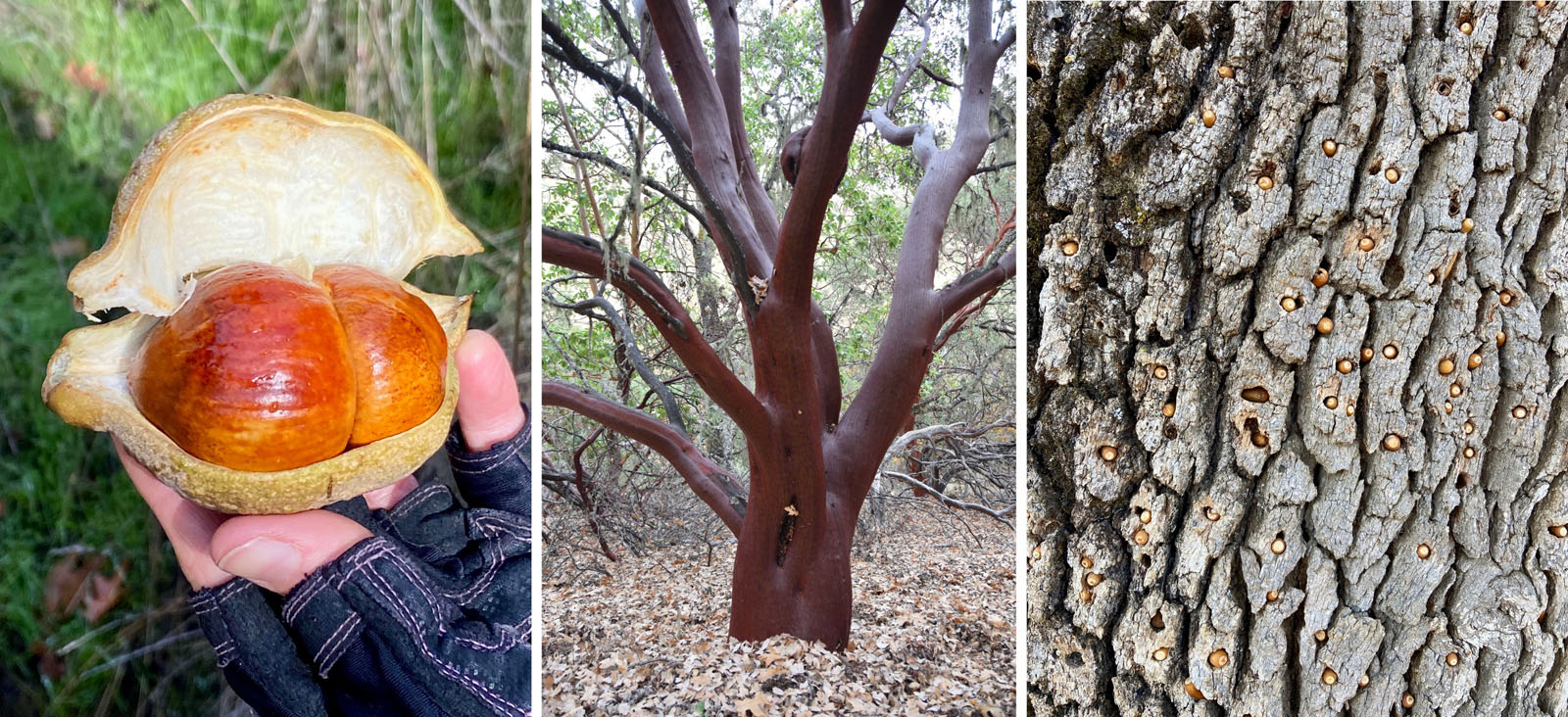
The photos included in this article will hopefully give readers a taste of what a visit to the largest state park in Northern California is like. There is much more to see, though, and these photos represent our walks over just 15 miles out of the 250 miles of trails contained within the park.
 [12]
[12] [13]
[13]If you go
When planning a visit, start with the Henry W. Coe State Park website [14].



Day use fee is $8 ($1 discount for seniors, fee waived for registered campers). Campsites at the Coe Ranch Campground are $20 per night and can be reserved online [15].
Backpacking is also a popular option for camping. Coe offers a number designated backpacking campsites within one to 7.5 miles of the Coe Ranch Entrance, and dispersed camping in the outlying areas. A permit is required.
The Coe Ranch Visitor Center features historical exhibits, helpful park rangers and staff, along with a small bookstore and gift shop. Maps and snacks are available as well.
Address: 9000 East Dunne Avenue, Morgan Hill, CA 95037
Phone: 408-779-2728
Contributing writer Steve Gorman has been a resident of Alameda since 2000, when he fell in love with the history and architecture of this unique town. Contact him via [email protected] [16]. His writing is collected at AlamedaPost.com/Steve-Gorman [17].