At its meeting on Tuesday, March 10, the Alameda Unified School District (AUSD) Board of Education received an update on the implementation of Amira, the district’s Early Reading Difficulties (ERD) screener, and approved the Second Interim Financial Report.
 [1]
[1]Amira implementation update
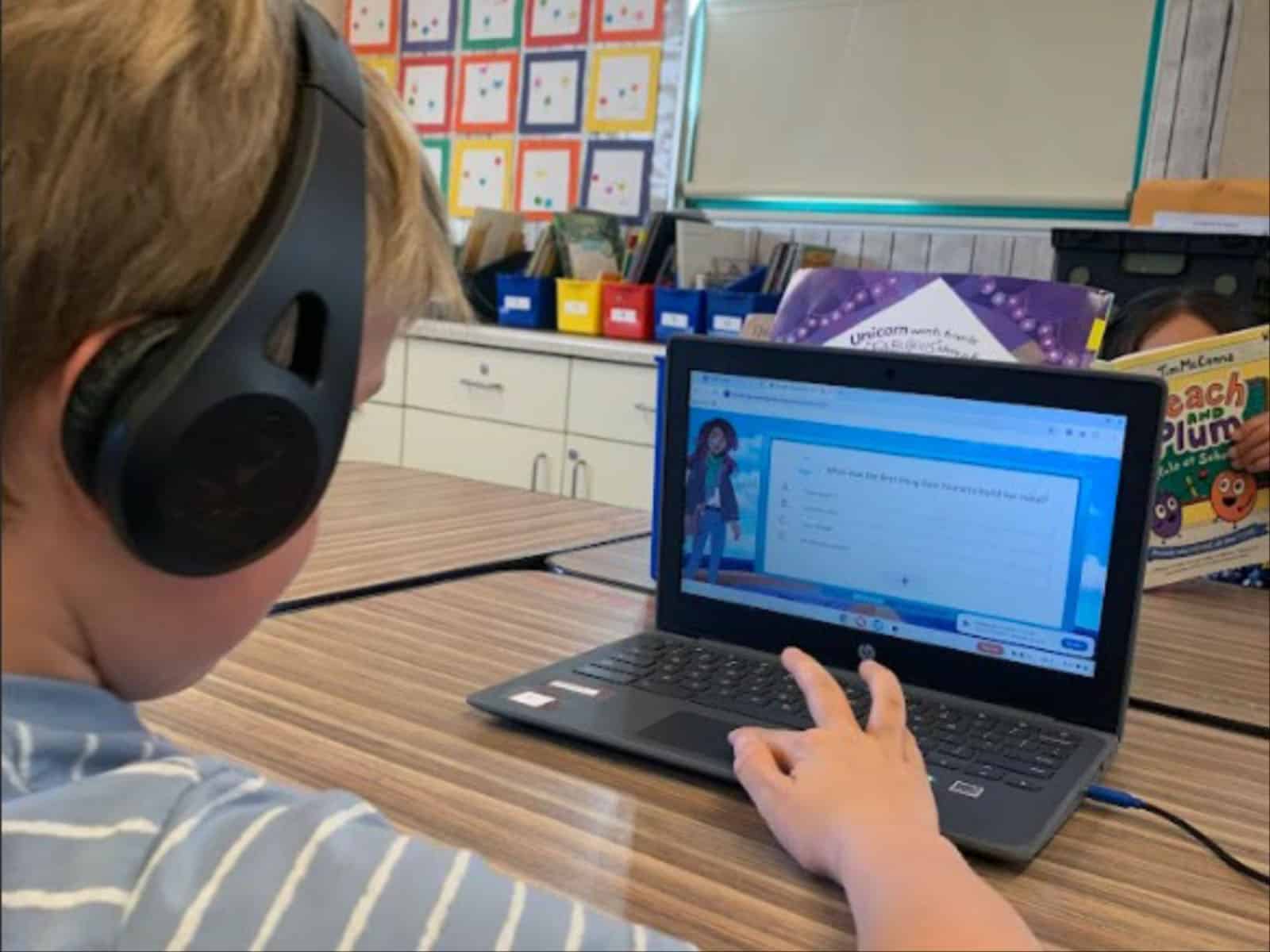
AUSD implemented Amira, an AI instructional assistant, as the Early Reading Difficulties screener for students in Kindergarten through second grade (K-2) at the beginning of the 2025-2026 school year, as part of a California Education Code mandate to help identify students who are at risk for reading difficulties. The launch came after a thorough piloting process involving elementary teachers across AUSD.
Soon after the launch in October 2025, Lindsey Jenkins-Stark, AUSD Senior Manager of Research, Assessment, and Data, demonstrated to the Board [2] the screener’s interface, through which students interact with an avatar named Amira, who asks them to repeat and sound out words on a screen.
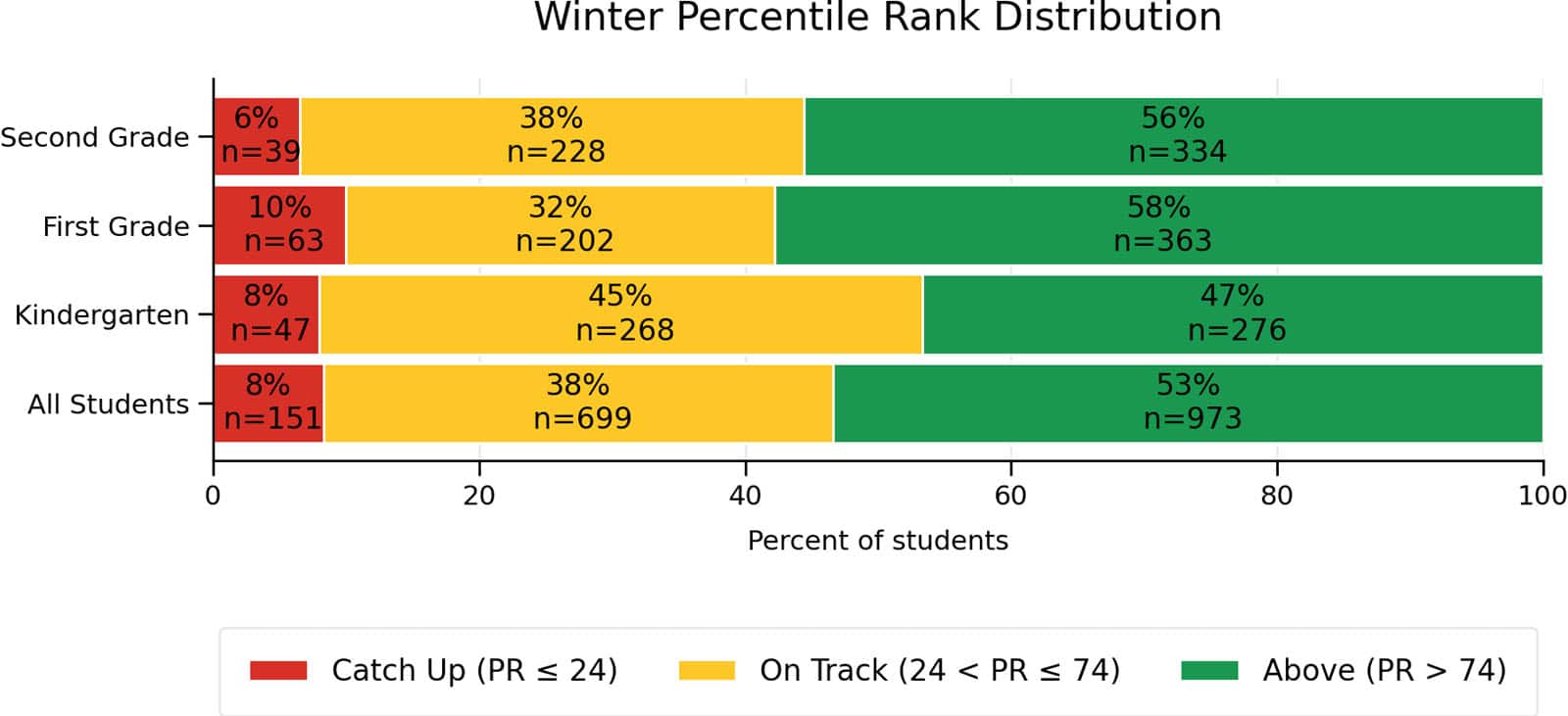
During Tuesday’s meeting, Jenkins-Stark tag-teamed with Tanya Harris, AUSD director of Elementary Education, to walk through some initial findings and results from Amira’s first few months of use in classrooms. Overall, about 92% of AUSD K-2 students are “on track” or “above” their reading level, which exceeds the expected threshold of 85 percent seen in traditional classrooms. First grade students lead in the “catch up” category at 10 percent, though these students also experienced the greatest amount of growth between the fall and winter administrations of Amira assessments.
 [3]
[3]These assessments have enabled teachers such as Kim Clocksin, who teaches first grade at Bay Farm School, to identify students who would benefit from targeted intervention. Clocksin appreciated Amira’s ability to tutor students and adapt in real time to recognize errors and provide microlessons to address issues. She has her students use Amira twice a week, for around 30 minutes total.
“I find it to be a powerful tool to use with all of my students, but even more so for my students who are learning to read at grade level,” said Clocksin, who can monitor individual student progress and listen to their voice recordings through her teacher dashboard.
Looking ahead, Jenkins-Stark and Harris refine the implementation and communication with parents, while navigating upcoming funding challenges. The team hopes to share more details about the impact of Amira in classrooms in future Board meetings.
Second Interim Report
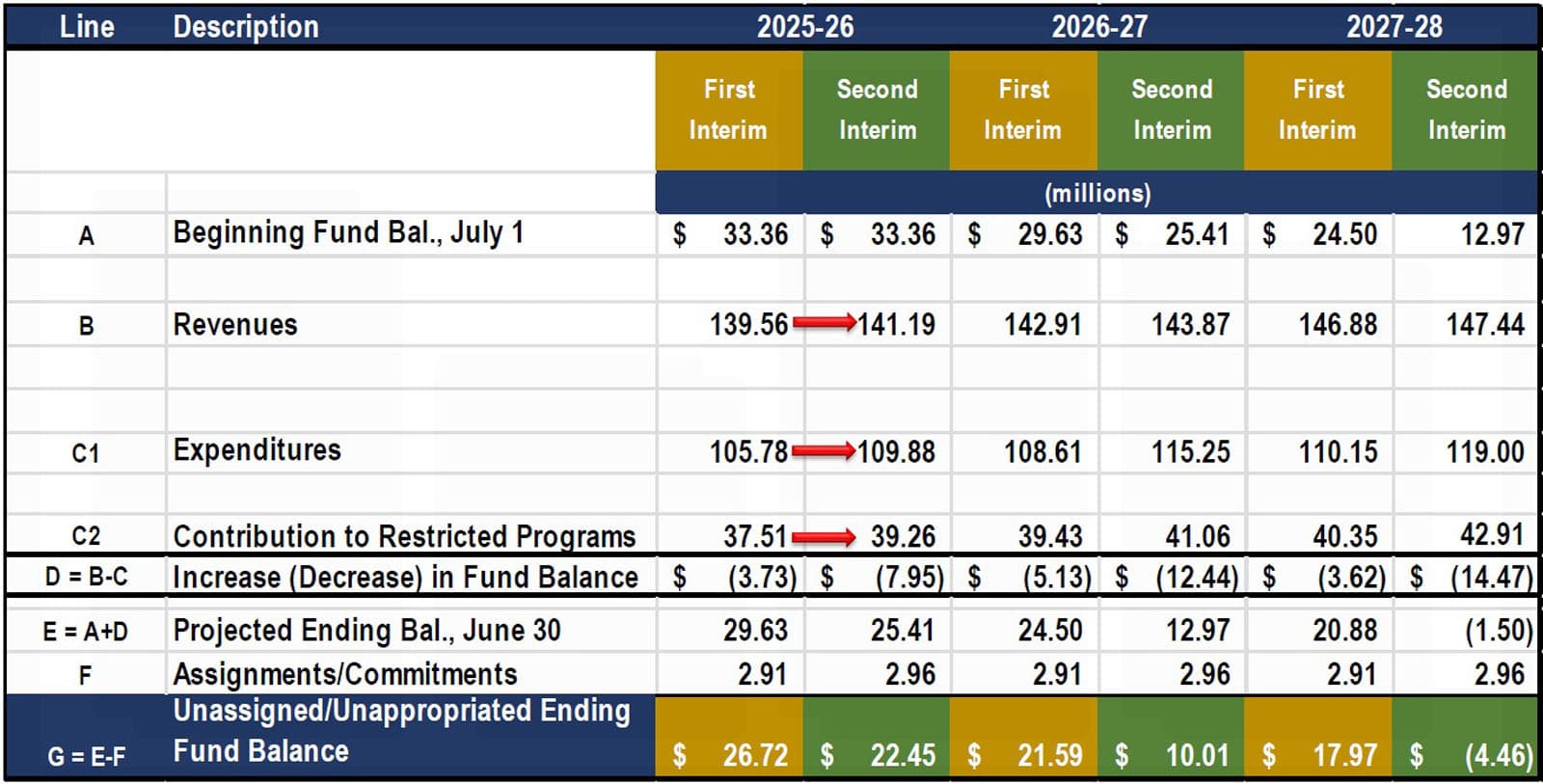
Later in the meeting, Assistant Superintendent of Business Services Shariq Khan shared the Second Interim Financial Report. This presentation serves as an update to the First Interim budget numbers [4] to include the latest data on the Cost of Living Adjustment (COLA) and average daily attendance, which are key metrics that inform the amount of funding the district receives.
The Second Interim also incorporates the Collective Bargaining Unit Agreements AUSD recently signed [5] with its labor partners. As Khan outlined the district’s Multiyear Projects (MYP)—which provides a three-year outlook on how the budget plan could perform based on the latest available information—he revealed that with a lower-than-expected COLA (at 2.41% rather than 3.02%), revenue will grow more slowly than predicted, which results in a net increase in expenditures attributed to salary growth.
Khan noted that this could mean tough decisions are on the horizon, especially since the budget ending fund balance is projected to turn negative as soon as the 2027-2028 school year. With the support of one-time funds, the budget averts a deficit, but Superintendent Pasquale Scuderi warned that reliance on these limited funding sources is not sustainable.



 [6]
[6]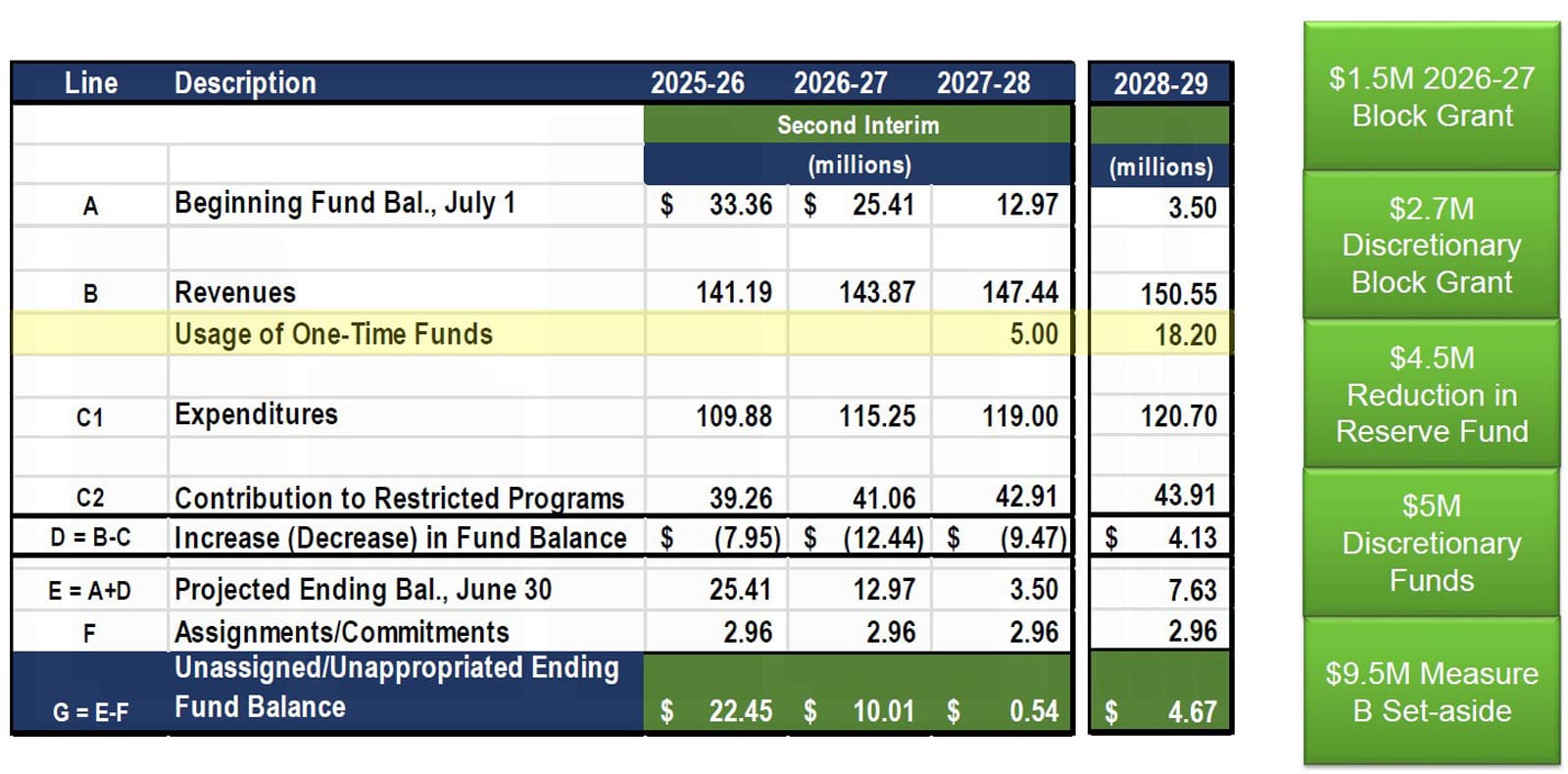 [7]
[7]Scuderi also responded to recent criticism from the community accusing district leadership of manipulating the numbers to fit a certain narrative.
“It’s not us playing a game with the community,” he explained. “It’s the fact that this information and the way the budget changes happens in a way that is a lot more dynamic.”
To demonstrate the elasticity of the MYP model, Khan illustrated how an increase in the COLA could paint a rosier picture of the budget, while expenditures could rise if 25% of employees move from Cash in Lieu to the Kaiser Family plan.
During discussion, Board members emphasized how an economic downturn could impact funding levels, and expressed some frustration at the lack of attendance.
“Not a single person from AEA or CSEA 860 or CSEA 27…is here this evening, on, to me, one of our most important topics of conversation, that we have received a lot of heat about for over a year,” said Vice President Heather Little, after commenting that the evening’s small audience was made up primarily of district staff. She suggested that the community bring the energy and understand the numbers behind the Board’s decision making.
The Board unanimously approved the Second Interim report.
Other notable items
Assistant Superintendent of Educational Services Kirsten Zazo presented the district’s recommendation to approve the Alameda Community Learning Center’s Material Revision Request [8] to change the school’s grade span from sixth-12th to ninth-12th, starting with the 2026-2027 school year.
Zazo also provided a brief update on school safety, including the schedule of drills in which students and teachers participate each school year.
Ken Der is a contributing writer for the Alameda Post [9]. Contact him via [email protected] [10]. His writing is collected at AlamedaPost.com/Ken-Der [11].