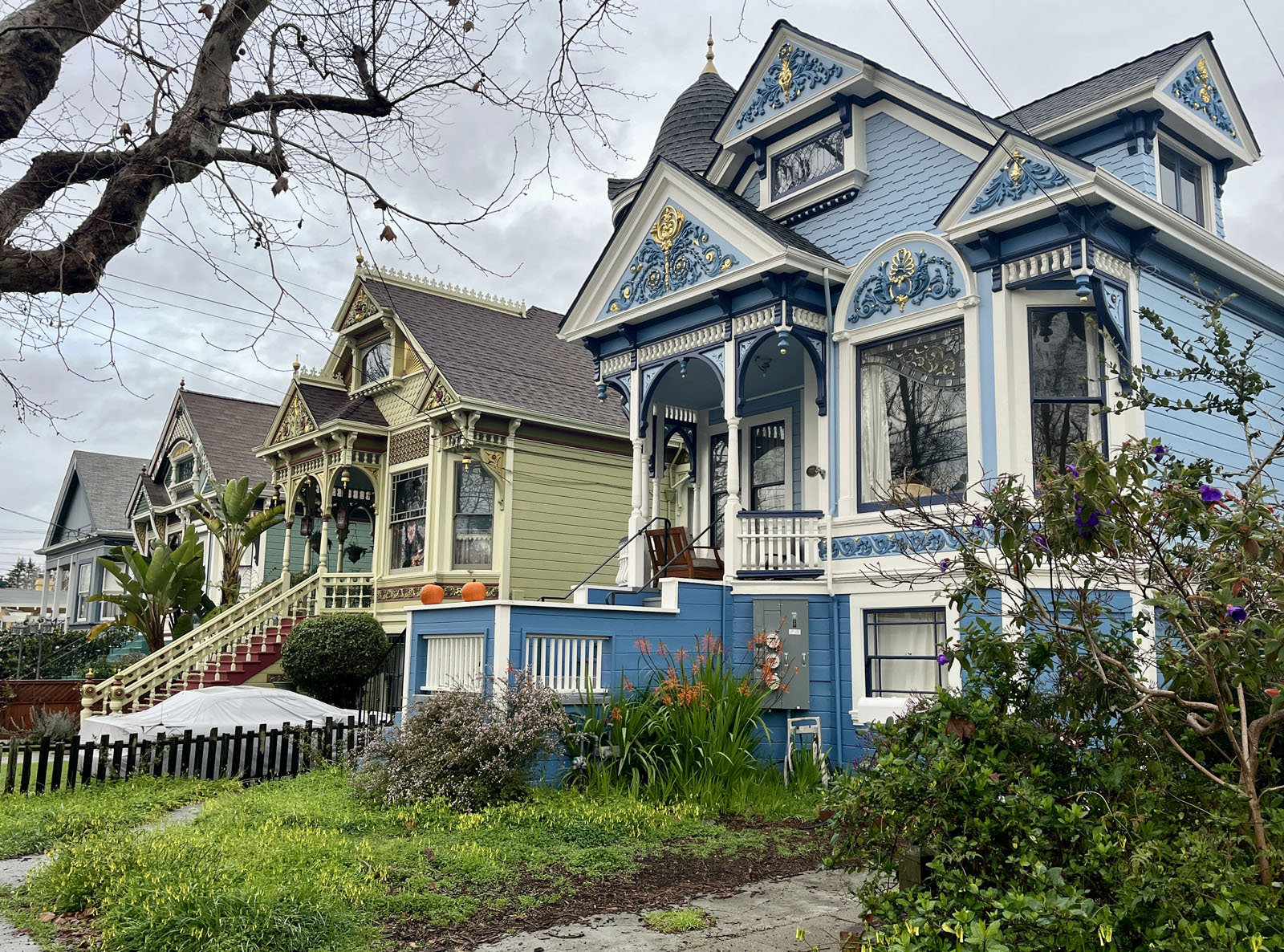
It isn’t very often that I get to profile an Alameda Treasure that is the next-door neighbor of one I’ve already covered, and, in fact, I don’t think it’s ever happened before. Last year, I featured 1528 Mozart Street [1] in the Alameda Post, and while working on a four-part series on that spectacular Marcuse & Remmel home, I couldn’t help but notice its equally spectacular neighbor, 1530 Mozart Street. It was also built in the same year (1894), for about the same price ($2,900), by the same prolific architect/builder team of Felix Marcuse and Julius Remmel. This team was responsible for much of the circa 1890s stock of Queen Anne cottages still standing in Alameda today, mainly concentrated in the central Alameda region of Bay Station, among others.
 [2]
[2]The Rose Cottage
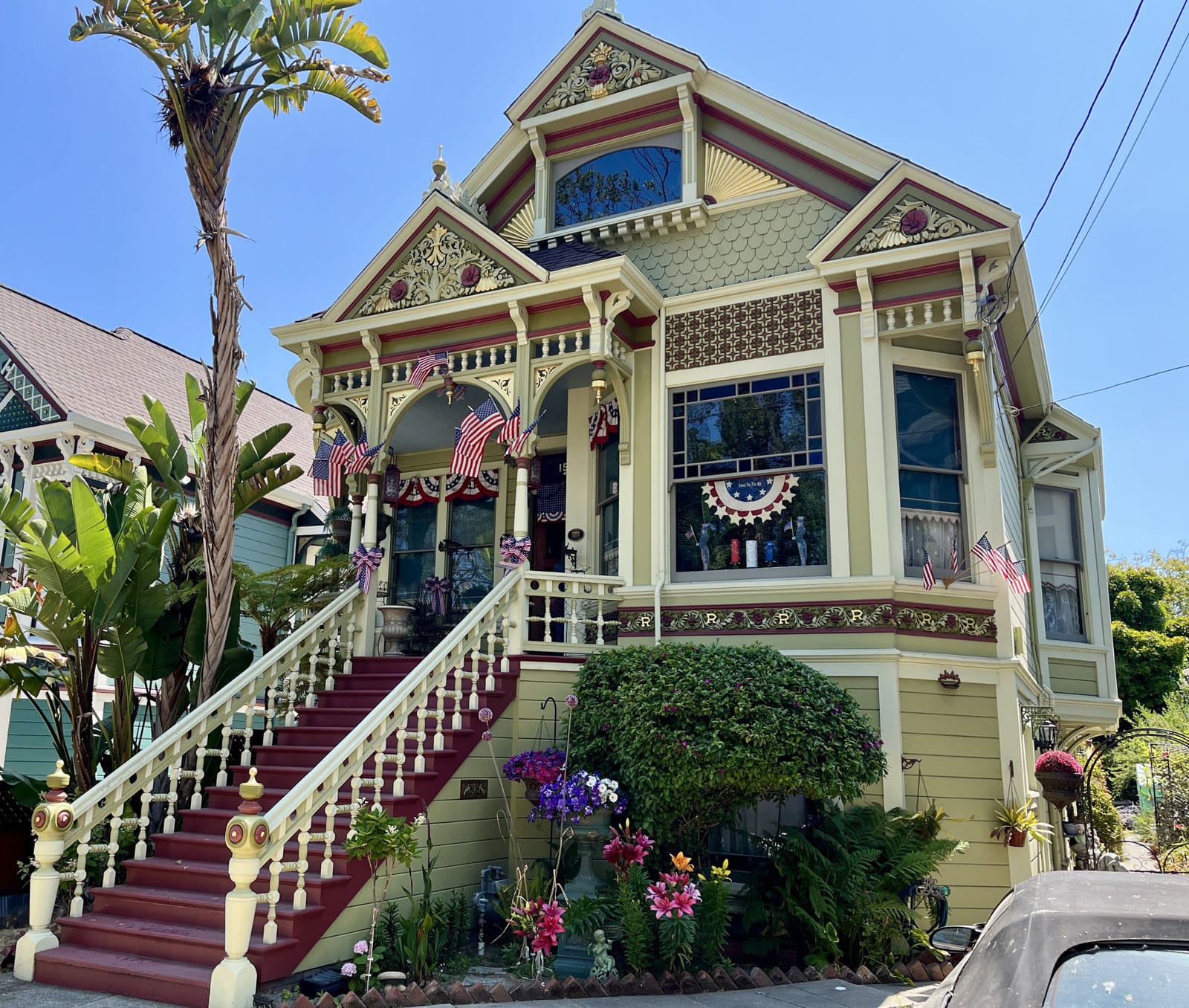
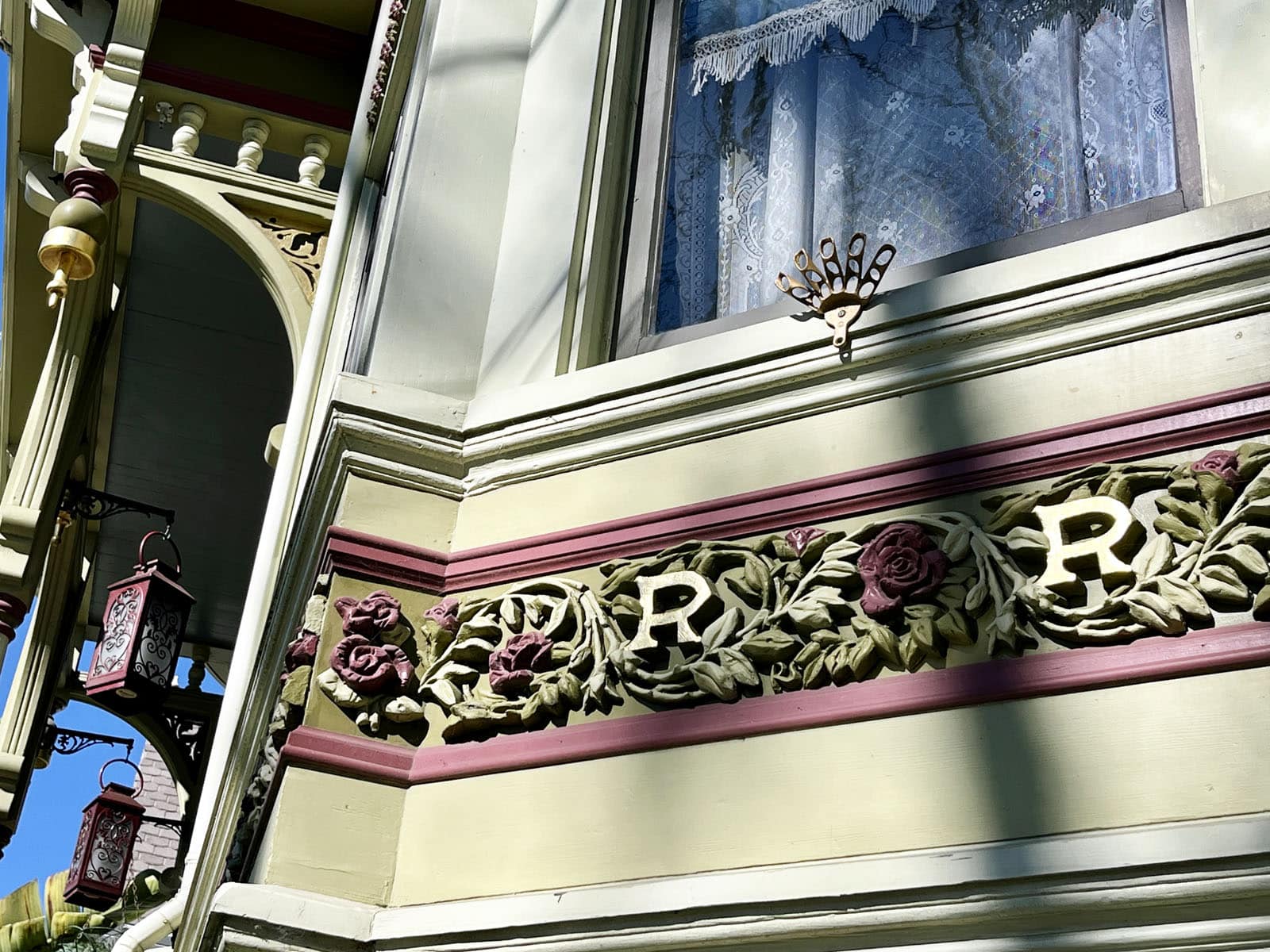
The current longtime (since 1976) owner of 1530 Mozart Street, Tommie (Thomasina) Veirs, calls her home the Rose Cottage, in honor of its first owner, Robert A. Rose. Mr. Rose held the patent for an automatic sewer flusher system (the Gravity Flusher Company), and was also the Pacific Coast representative for the Gamewell Fire Alarm Telegraph Company. A scandal developed in 1898, with newspapers reporting on Rose’s sudden disappearance, along with missing funds from the Gamewell Company’s coffers. More on that mystery later.
Mozart Street
There are only a small handful of streets in Alameda that are just one block long, and Mozart Street is probably the most beautiful and historic of them, in terms of its housing stock. Stretching just one block between Lincoln and Santa Clara avenues, the 1500 block of Mozart is the only block of that street, and it contains about 24 homes—12 of them built by the designer/builder team Marcuse & Remmel.
Mozart and Verdi Streets were not developed until 1894, relatively late in Alameda’s Victorian-era building period. Tracts of land in this area were held by the German-American developer Emil Kower, who in 1878 appeared on an Alameda Daily Encinal list of the “heaviest land-holders of the town.”
In a history walk article in the Alameda Post [3], Dennis Evanosky explained how the new streets got their names: “Kower also ran a new street from the Bay shore north to his second tract across Santa Clara Avenue. He named this one Caroline Street for Carrie (Caroline Dwinelle, former wife of Alameda co-founder William W. Chipman). He then cut two streets north of Santa Clara to the Central Pacific Railroad tracks. He had named three streets, so he turned to Carrie and asked her to name three streets. She thought of her favorite composers. She named the street where she lived for Karl Maria von Weber. She remembered Wolfgang Amadeus Mozart and Giuseppe Verdi in naming the streets north of Santa Clara Avenue.”
We can thank Carrie’s love of classical music for the streets we know today as Mozart, Verdi and Weber.
 [4]
[4]More new houses
An article in the Alameda Times Star, dated March 16, 1894, featured the headline “More New Houses,” and went on to describe that the building trade was “unusually active” at present, and that the Marcuse & Remmel Company “is erecting a cozy dwelling for R. A. Rose on Mozart street, between Railroad and Santa Clara avenues.” This announcement is the first historical record for the house that would one day be called the Rose Cottage, and that in Rose’s time was probably just called home.
 [5]
[5]A classic Queen Anne cottage
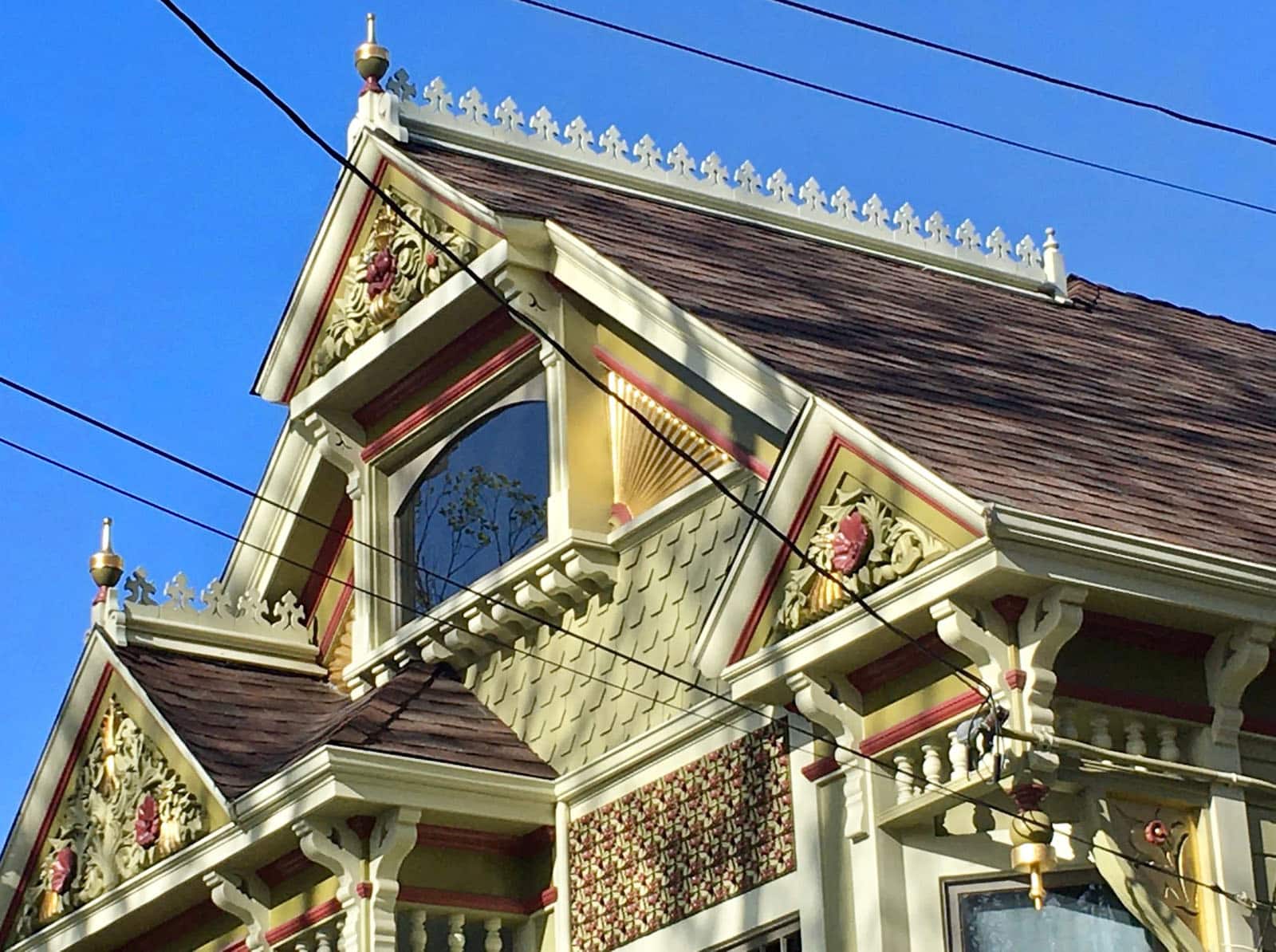
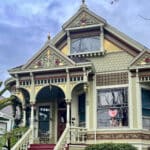
Looking at the façade of the Rose Cottage, one is struck by the sheer amount of detail, shapes, textures and architectural elements lavished on what was a relatively low-priced, middle-class home in 1894. While other architects and builders built similar homes during this period, Marcuse & Remmel were particularly known for their wildly creative and decorative homes.
There came a time in the 20th century though, when this level of detail and beauty went out of style, and many homes like this were stripped down and “modernized,” or even completely torn down, in many cases. Fortunately, in recent decades a new appreciation for this kind of craftsmanship and style has been reborn, and restoring these Victorian-era beauties is a passion for many homeowners.
 [6]
[6]Born in the wrong century
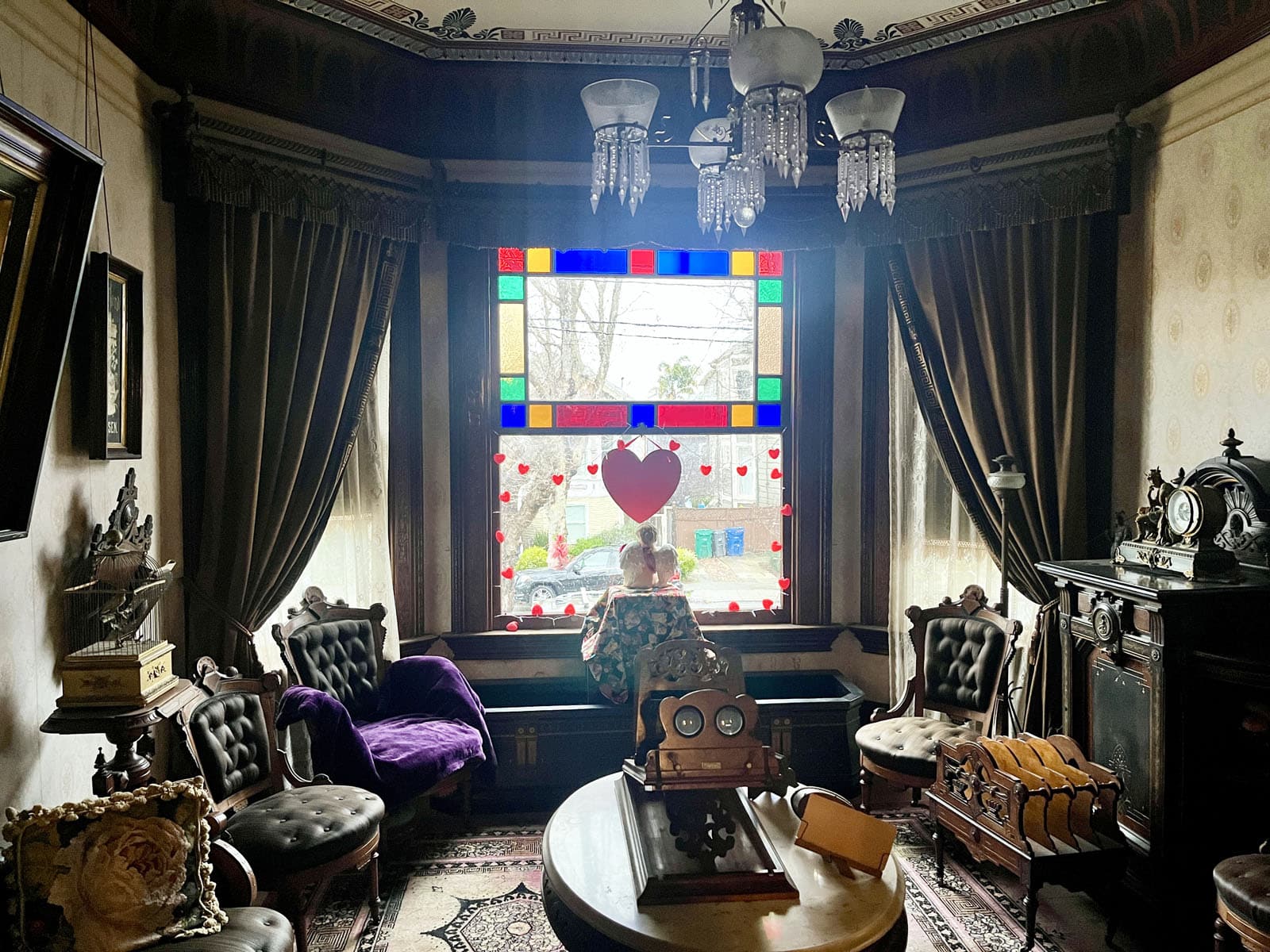
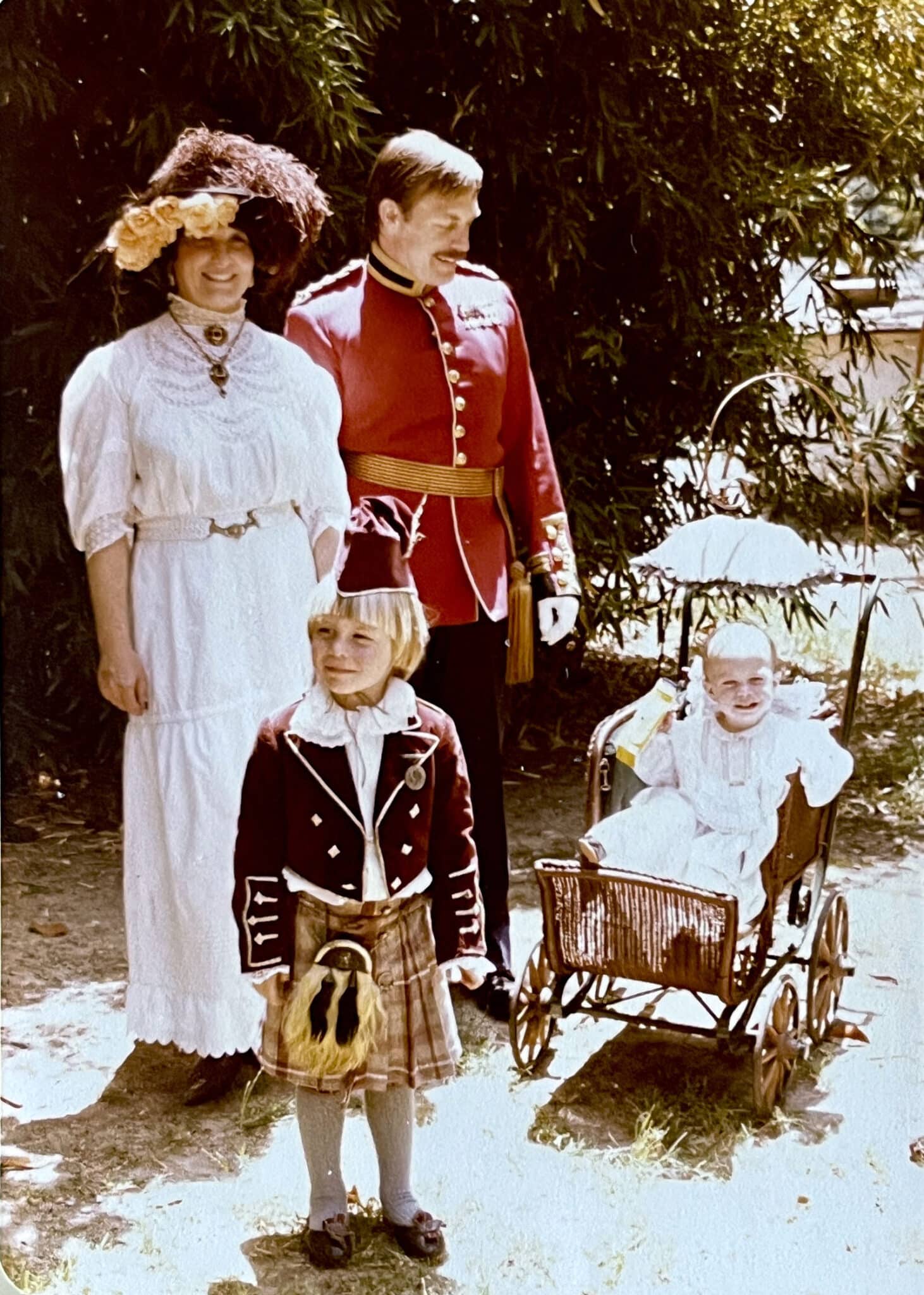
It’s hard to imagine a more passionate fan of Victorian-era design and style than Tommie Veirs, the owner of 1530 Mozart Street for the past 50 years. Tommie has always been interested in antiques, but it wasn’t until she and her husband Tom purchased their Queen Anne “fixer-upper” on Mozart Street in 1976 that her interest in the Victorian-era truly blossomed.



An article appeared in the Alameda Times Star on December 10, 1983, headlined “Tommie Veirs turns her home into an 1890’s showpiece.” Reporting on Tommie’s project of restoring her vintage 1894 house, the article stated, “She is literally a misfit, caught in the wrong century. Thomasina (Tommie) Veirs should have lived during the Victorian era, when life was gracious and women spent every moment of their waking lives working to make their homes beautiful.”
Of course, while Tommie has indeed made her home beautiful—and into an 1890s showplace—she has also devoted her life to other pursuits, like raising two sons, acting as her own general contractor, and running a local business for many years. That business, The Gaslight Emporium, operated on Lincoln Avenue from 1985 to 2018, and featured Victorian-era décor, clothing, hand-made ornaments, and even home-made chocolates.
 [7]
[7]From lawyer to decorator
Tommie once attended law school, but it didn’t take. She realized it just wasn’t for her, and that she needed a career that was more interesting, one that satisfied her need for creativity. She found that career in her 50+ year project of restoring the Rose Cottage, as well as running a business dedicated to the gaslight era. Along the way she became a designer and consultant on Victorian-era homes, as well as a decorator at Oakland’s historic Dunsmuir House, where she was responsible for Christmas ornaments, and even decorating entire rooms for the holidays.
The work of a lifetime
Now, in her fifth decade of restoring the cottage first built by Marcuse & Remmel over 132 years ago, Tommie is still motivated and excited about the project. While the front section of the house, including the spacious entry hall, front parlor, dining room, and second parlor are showpieces of the Victorian era, the kitchen dates back to the 1920s and is next in line for restoration. As general contractor, Tommie employs a trusted group of tradespeople, including carpenters, painters, plaster workers, color consultants, and even a financial advisor. The Rose Cottage restoration is truly the work of a lifetime, and the results speak of a life well-spent.
 [8]
[8]Next up
When the story of the Rose Cottage continues, we’ll learn more about the first owner of the house, Robert A. Rose, and why newspaper articles in 1898 reported on Rose with headlines like “Dropped From Sight.” What happened to Rose, why he disappeared, and why his wife never lost faith in him will be explored further as we untangle this mystery.
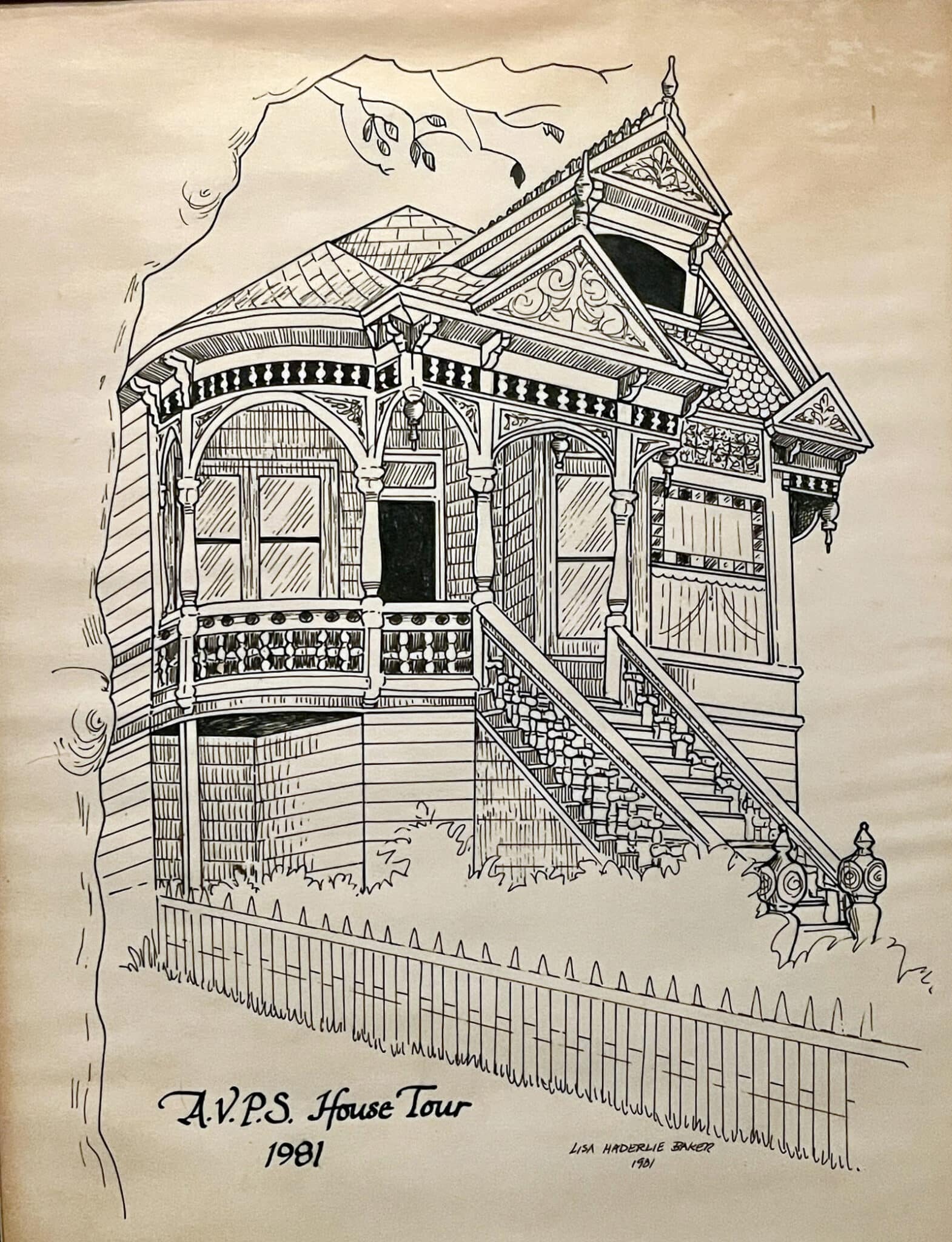
As beautiful as 1530 Mozart Street is today, it didn’t look anything like this when Tommie and Tom purchased it in 1976, despite the fact that the real estate ad described it as being in “excellent condition.” We’ll see a before-and-after picture of the front of the house that shows the dramatic improvement and vast amount of work that has been done since the Veirs purchased this house.
We’ll also learn about the Munro family, who owned this home from 1904 to 1961, making them the longest tenured owners of this property thus far, at 57 years—though Tommie is closing in at 50 years. Ella Munro and her two daughters, Alice and Anna, moved to Alameda from San Francisco a few years after her husband, Reuben Munro, died in 1900 at just 53 years old.
 [9]
[9]The stuff of life
The story of life and death, and the constant process of change, is what makes our Alameda Treasures so interesting. Each one has a story to tell, and in the telling we learn about the lives of those who came before us, and how their trials and tribulations are not so different from our own. These stories connect us to the past in a way that, hopefully, makes it come alive for us, and helps us realize we are also part of the same continuum and are living through and making history each and every day.
Contributing writer Steve Gorman has been a resident of Alameda since 2000, when he fell in love with the history and architecture of this unique town. Contact him via [email protected] [10]. His writing is collected at AlamedaPost.com/Steve-Gorman [11].