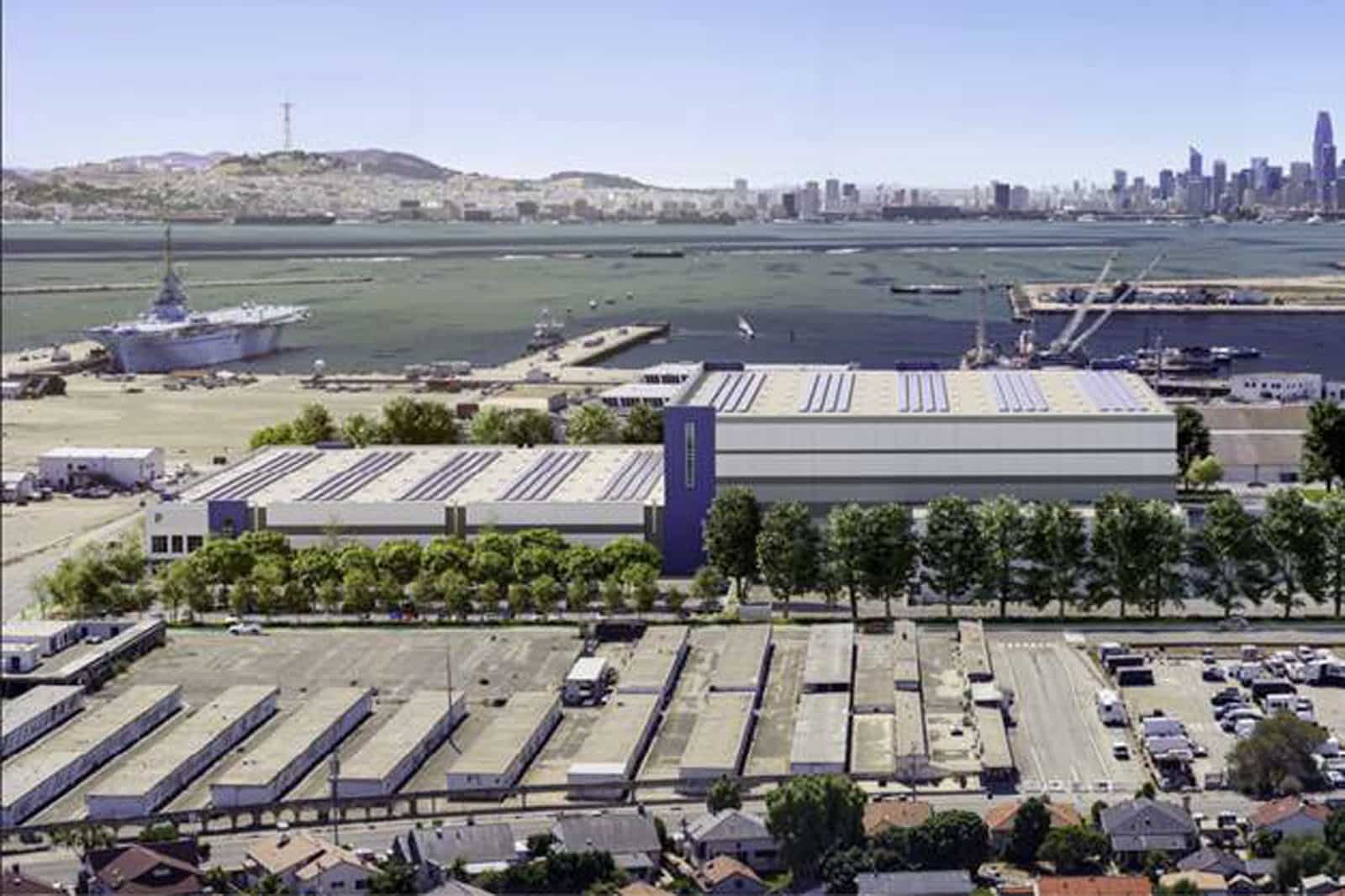
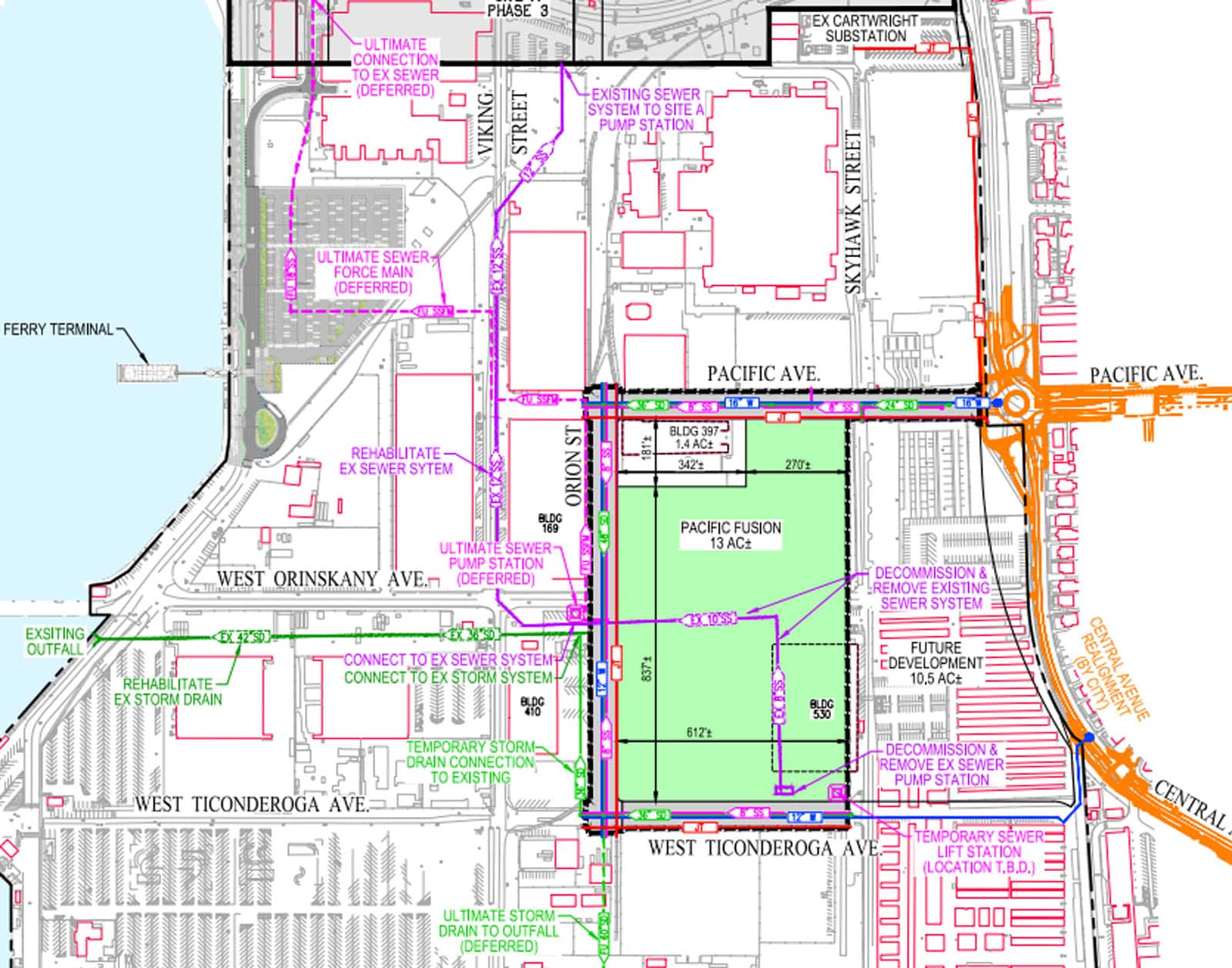
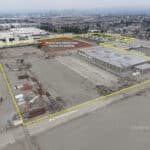
During its meeting on June 17, City Council approved a Purchase Option Agreement that allows Pacific Fusion [1] and its development partner, Hines, to purchase a 13-acre site on Alameda Point for the development of a nuclear fusion research and demonstration facility. The facility would enable the startup to advance its work towards creating a commercially viable approach for providing fusion power.
 [2]
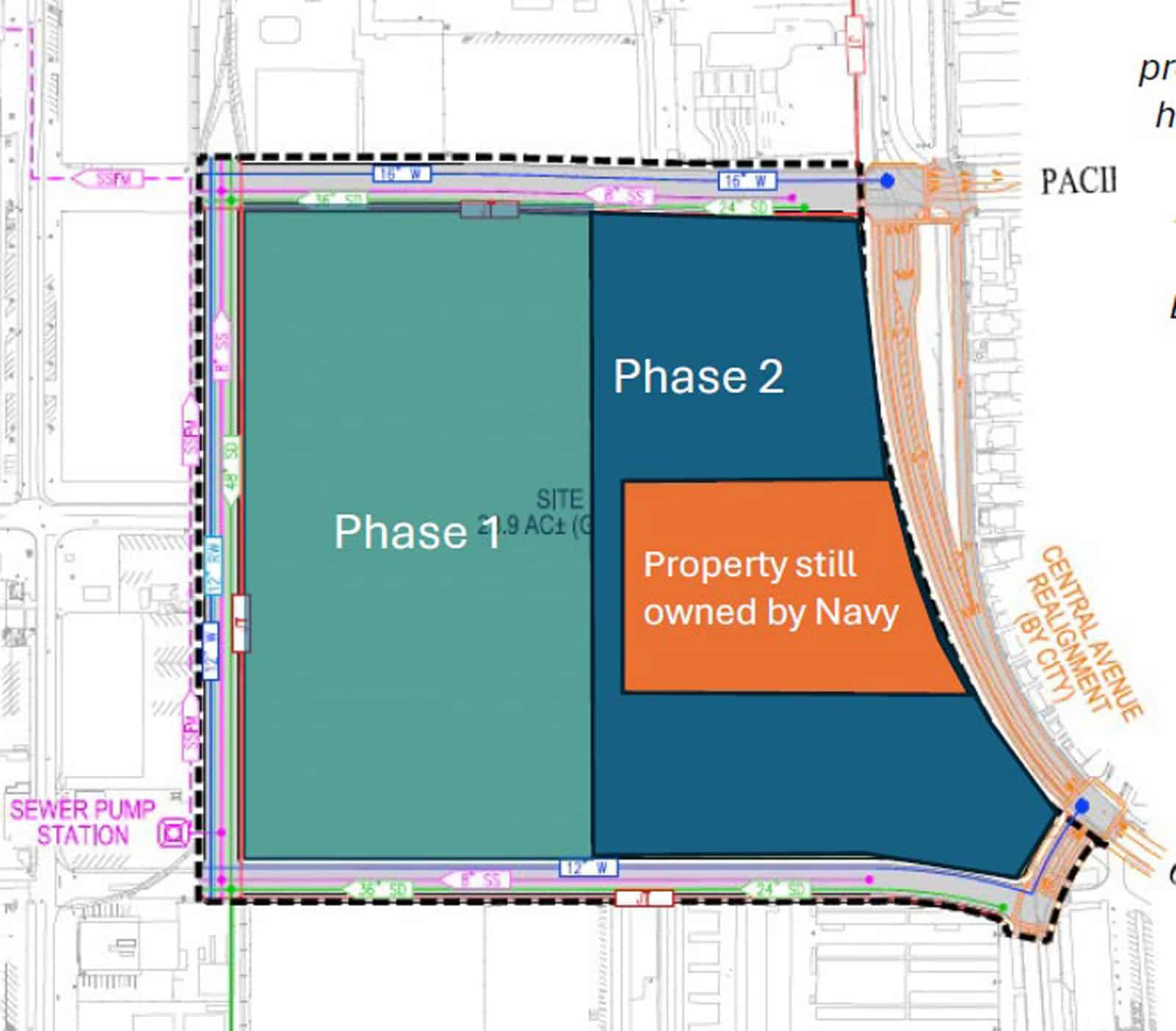
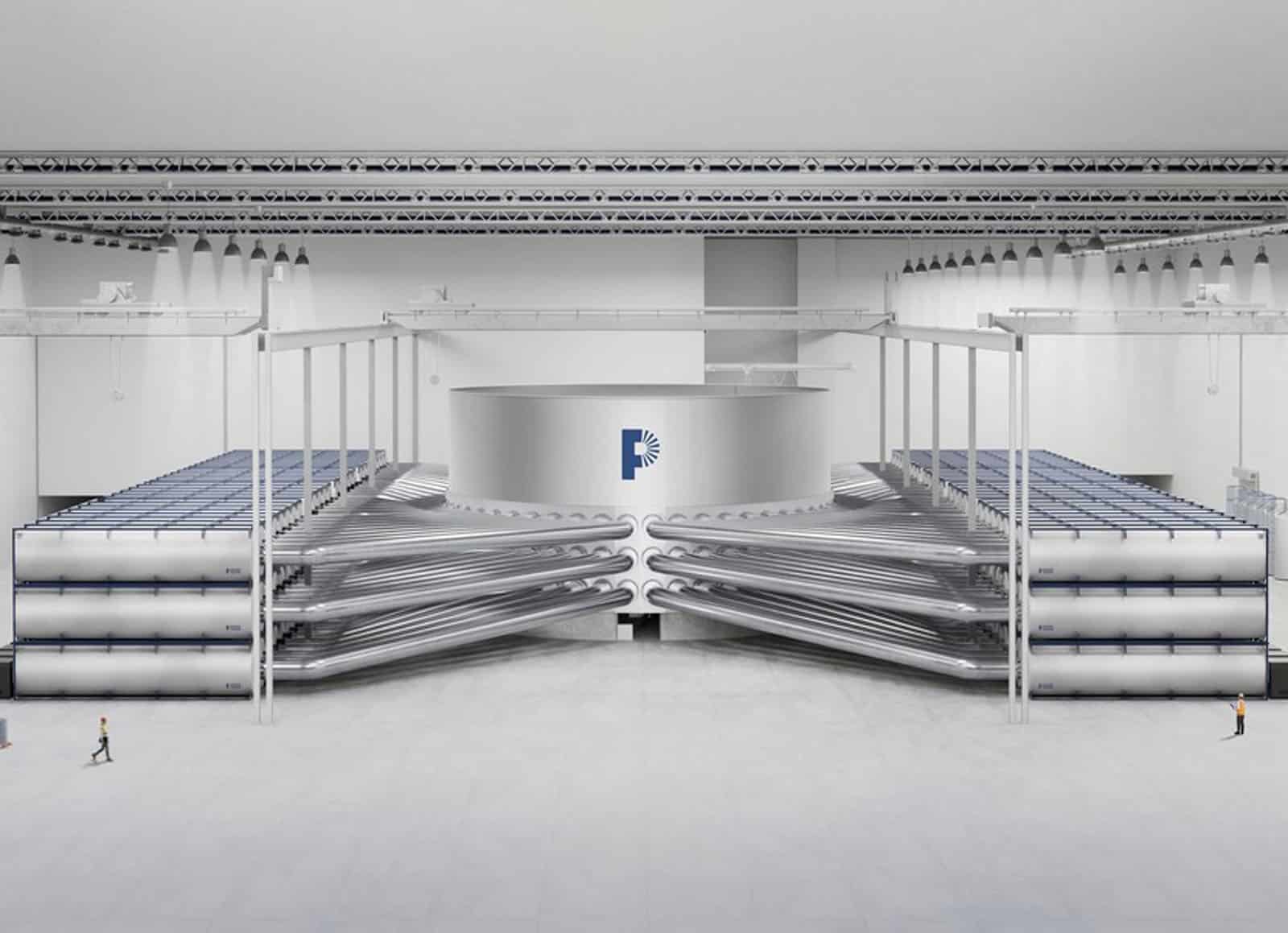
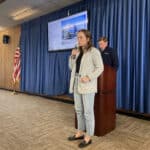
[2]Upon project completion, currently slated for 2030, the facility will introduce 250 new jobs and will house offices, laboratory spaces, and its pulser demonstration system that initiates nuclear fusion reactions. In a presentation to Council, Director of Base Reuse and Economic Development [3] Abby Thorne-Lyman emphasized that the facility will not be a power plant and that the pulser system will be used only once per day.
 [4]
[4]Over the past several months, Pacific Fusion [5] has interacted extensively with community members [6] and engaged the Planning Board during a project listening session [7]. While feedback from the public has been generally positive, some have expressed uneasiness with the use of tritium, a radioactive isotope of hydrogen, in the fusion reaction process. To assuage these concerns, Thorne-Lyman revealed that a third-party review, commissioned by the City, of potential health risks stemming from the new facility found that the overall risk to the community is low.
 [8]
[8]“Our consultants modeled the worst possible case of community exposure to tritium,” explained Thorne-Lyman, “and they found that even in this worst case, the exposure was within the safety thresholds of the EPA and the California Department of Public Health.”
Pacific Fusion’s Infrastructure Lead, Courtney Richardson, offered further clarification that the use and handling of radiological materials would be similar to processes at universities and hospitals.
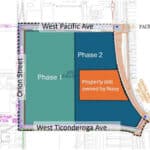
Under the terms of the purchase option, Pacific Fusion and Hines will meet the purchase price of $28.9 million by delivering a backbone infrastructure package of roadway improvements and connections to existing sewer, stormwater, and electrical infrastructure around the project site—a strategy intended to catalyze future commercial development at the Enterprise District in Alameda Point. Additional provisions encourage the timely delivery of the project and provide terms for cost overruns.
 [9]
[9]Public comment
Public speakers included more than two dozen students, business owners, and community members. Nearly all spoke in favor of the project.
“The project represents a real, critical, potential step towards overcoming [climate change] challenges and also achieving our climate action goals,” said Christina Nagy McKenna, speaking as President of the Public Utilities Board [10]. “The association with a project like this for Alameda would position us as a leader in the clean energy economy, building upon the City’s growing reputation as a key hub for innovation science and discovery.”
Multiple young Alamedans expressed enthusiasm for the inspiration and opportunities the project would bring to the island.
“In a time when so many young people feel the need to leave their hometowns to find opportunity, a project like this creates the opposite effect,” said Michael, who currently studies at Pitzer College. “It tells students, dreamers, and thinkers that Alameda is a place where big ideas are welcome.”
But a few commenters, like Doyle, expressed skepticism about the project.

“I think the physics of fusion power production is still to be achieved,” he said. “So this project, planned in the middle of an urban center, is unproved.”
Council discussion
Councilmember Tracy Jensen and Vice Mayor Michele Pryor expressed appreciation for Pacific Fusion’s outreach efforts and willingness to listen to the community.
Councilmembers also commented on the project’s opportunities and impacts on subsequent generations, reflecting on the words of the young speakers who worried about the future of the planet.
“When I grew up in Alameda, I was never thinking,’Maybe this island won’t be here one day,’” said Councilmember Greg Boller. He expressed support for the project, citing staff’s finding that it is consistent and does not significantly deviate from the existing environmental impact reports, along with the third-party review showing overall low risk.
Councilmember Tony Daysog disagreed, suggesting that “more analysis is still needed to understand the effects, if any, of radiation generated by Pacific Fusion, specifically on the groundwater underneath it.”
Mayor Marilyn Ezzy Ashcraft, who had the final word, highlighted the need to urgently pursue green energy projects in the face of climate change and in response to the federal government putting grant funding for such projects on hold.
“We owe them these kinds of innovations,” Ashcraft said, referring specifically to the young people in the room. “I am convinced this is the right project for Alameda to move forward on, and I hope that Pacific Fusion thinks that Alameda is the right home for them.”
The proposal to approve staff’s recommended actions related to Pacific Fusion’s potential purchase of land in the Enterprise District passed 4-1. Councilmember Daysog voted against it.
Next steps
Pacific Fusion will undertake an entitlements process as it continues to consider Alameda and Livermore as finalists to site its new facility. The company expects to decide between the two later this year. If Alameda is selected, construction could begin by 2026.
Ken Der is a contributing writer for the Alameda Post [11]. Contact him via [email protected] [12]. His writing is collected at AlamedaPost.com/Ken-Der [13].