Cities in the East Bay have already declared themselves sanctuary cities committed to protecting immigrant populations by banning collaboration with federal Immigration and Customs Enforcement (ICE) agents. Now, Alameda County officials are considering measures aimed at further limiting ICE actions within local jurisdictions, according to a KTVU News report [1].
 [2]
[2]On Thursday night, November 6, an ad hoc committee of the county’s Board of Supervisors met to discuss two proposals—a coordinated response plan for Immigration and Customs Enforcement (ICE) activity and a potential resolution to establish “ICE-free zones.”
District 5 Supervisor Nikki Fortunato Bas said she wants the ICE-free zone proposal to allow coordination with other counties working on similar policies, the KTVU report stated. That resolution would prohibit ICE agents from using county-owned property, including parking lots, parks, and other public spaces, during deportation operations.
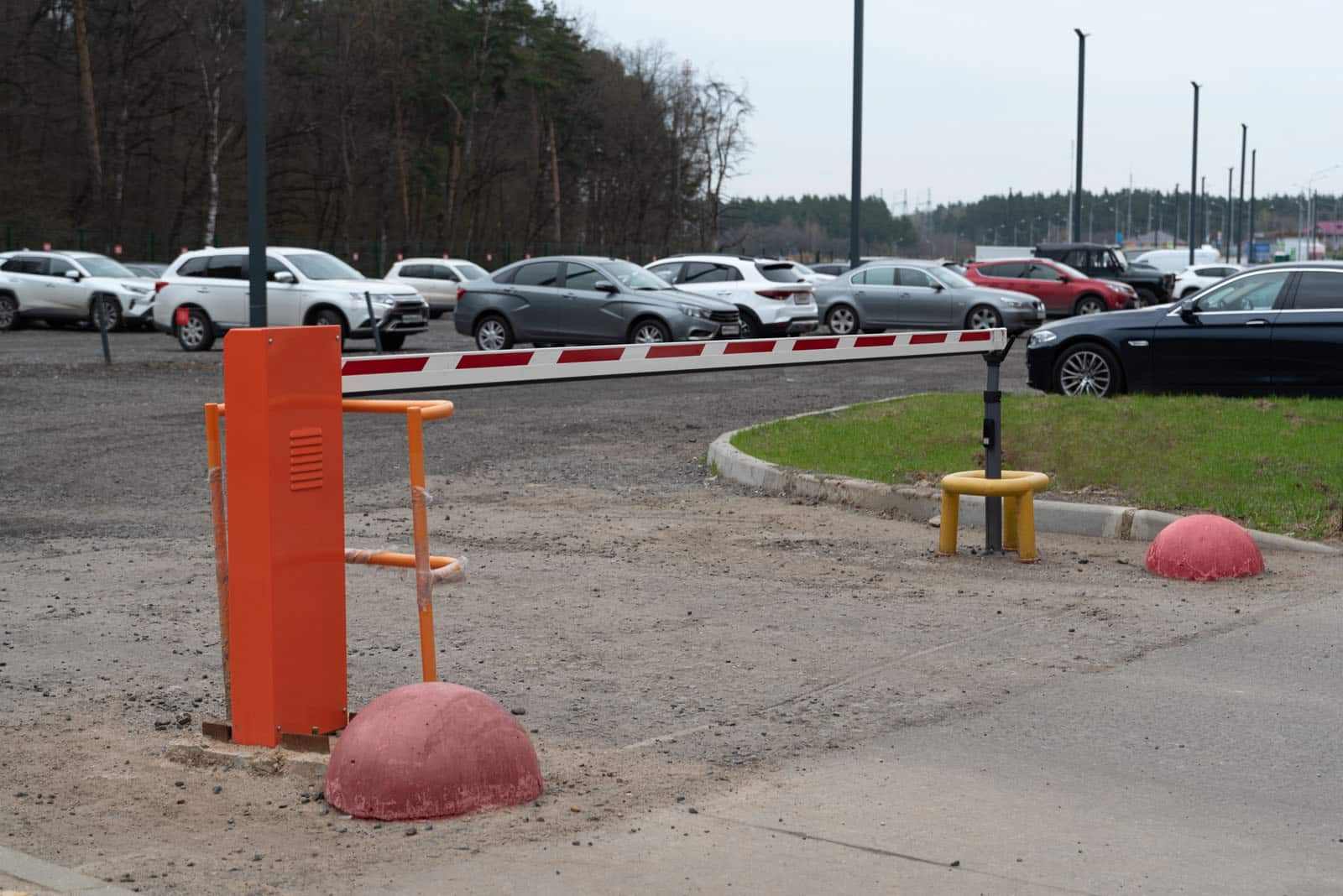
Fortunato Bas is calling for the county to create its own inventory and to use barriers to block entrances of sites wherever possible, according to an East Bay Times [4] report. Leaders from Santa Clara County, which enacted similar restrictions a few weeks ago [5], joined the meeting to share their experience. Santa Clara County and the City of San Jose modeled their efforts after a similar ordinance passed in Chicago, declaring public buildings and spaces there “off-limits” to ICE.



The Santa Clara County ordinance, approved unanimously on October 21, declares all county property and facilities “off limits” for immigration enforcement and calls for an inventory of all vacant lots, garages, and other county-owned spaces federal authorities might use for immigration enforcement without court orders. The vote also paved the way for the county to put up signs to keep ICE agents away from these properties.
Fortunato Bas noted that despite the President calling off the recent ICE raids in the Bay Area, ICE agents have nevertheless continued to detain people at immigration court hearings, routine check-ins and their homes, according to the East Bay Times report.
“There’s a slight sense of relief that there isn’t this huge militarized presence conducting massive raids but there’s still a sense of panic and fear,” Fortunato Bas was quoted saying. “There’s a clear sense in the community that this president, this administration wants immigrants to leave. It’s a hard environment for people to live in, every day being fearful you can be separated from your family.”
The next step for Alameda County is to draft a formal ordinance restricting the use of county properties for immigration enforcement. The committee decided to continue refining its proposal before presenting it to the full Board of Supervisors for consideration.