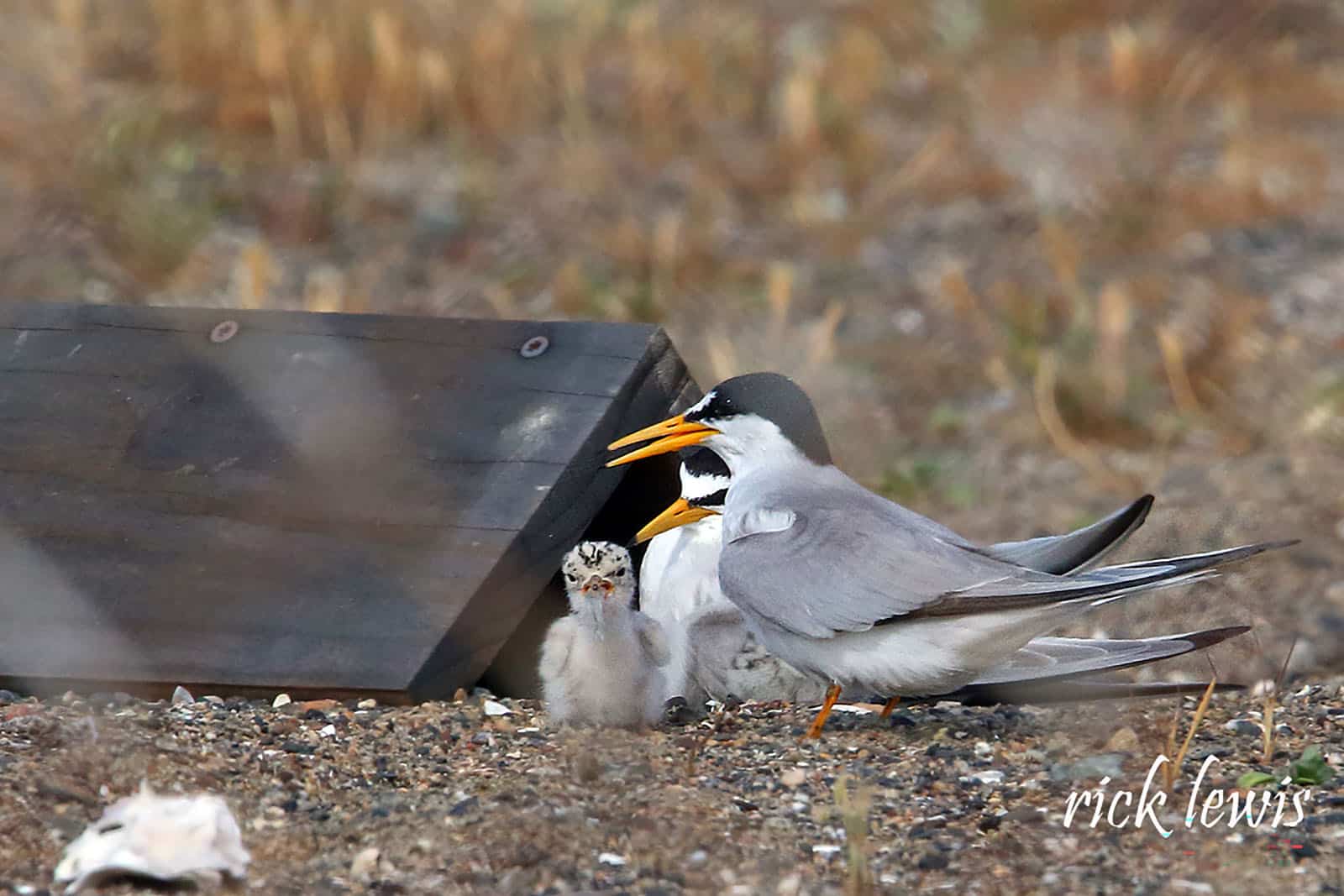
The sounds of the California least terns [1] alert us to conditions in the nesting colony as we drive out to our post for the next three hours. The high “kid-ick, kid-ick” and raspy “zr-e-e-e-p” calls resound as the adults fly in and out of the colony, bringing fish to their hatchlings and young. It’s the end of May and already the colony is bustling with over 500 nests. My husband and I have volunteered for Tern Watch, a group of trained volunteers, to monitor the colony at Alameda Point, for the last several years.
 [2]
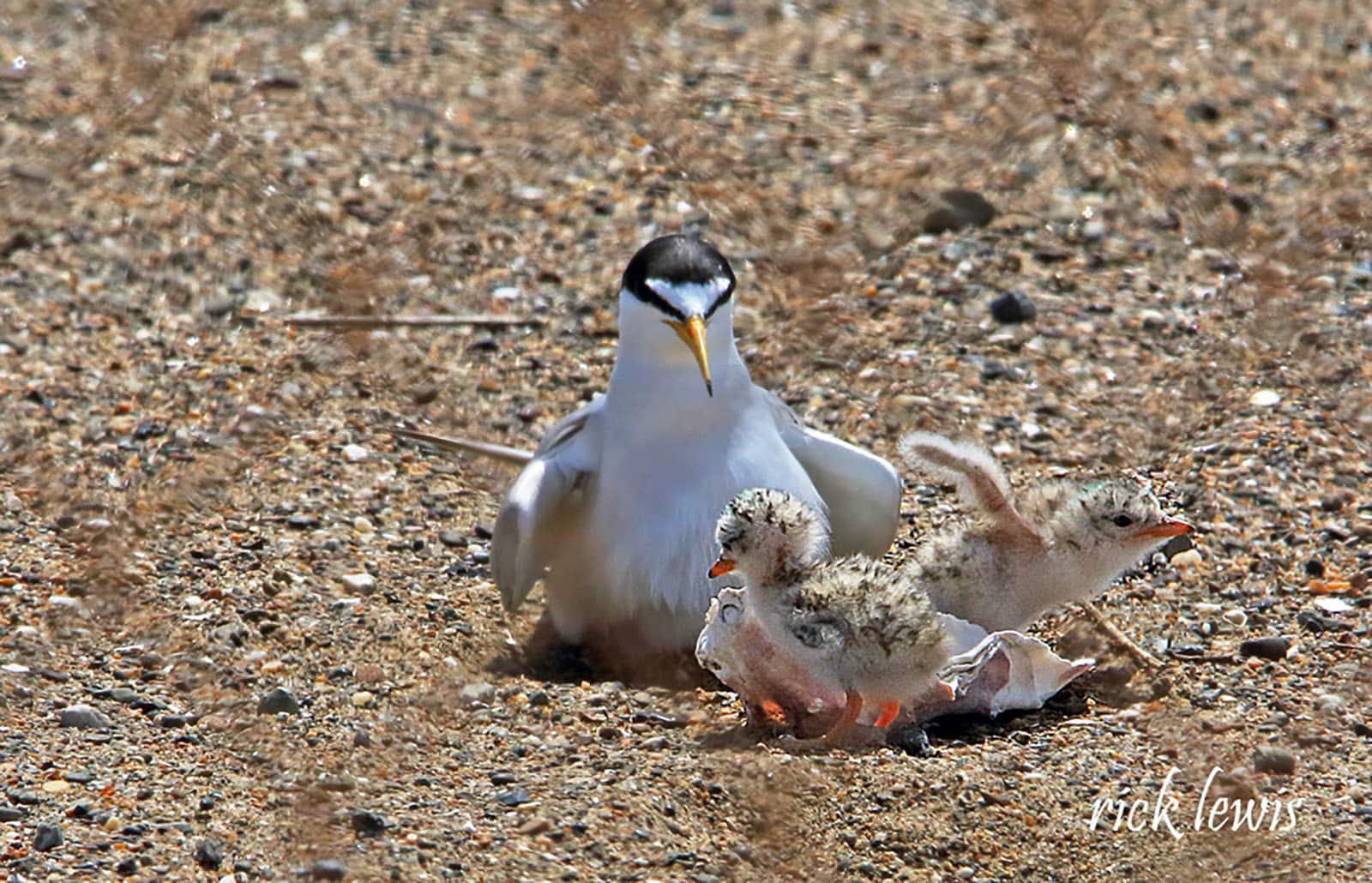
[2]As we take up our post, we watch for predators and when necessary, we notify a wildlife unit that drives predators away to protect the colony. We also note tern behaviors every 15 minutes, using a scientific protocol that will be kept and analyzed. In past seasons it’s been very gratifying to watch the adult terns feeding their young and see the babies grow weekly until they can fledge and wing away to feed themselves. These small birds also have a very impressive response to predators, with the adults rising into the air and calling to swarm any potential attack. The whole colony migrates away from the area in late August or early September to Mexico and Central America, though scientists aren’t sure exactly where they go.
 [3]
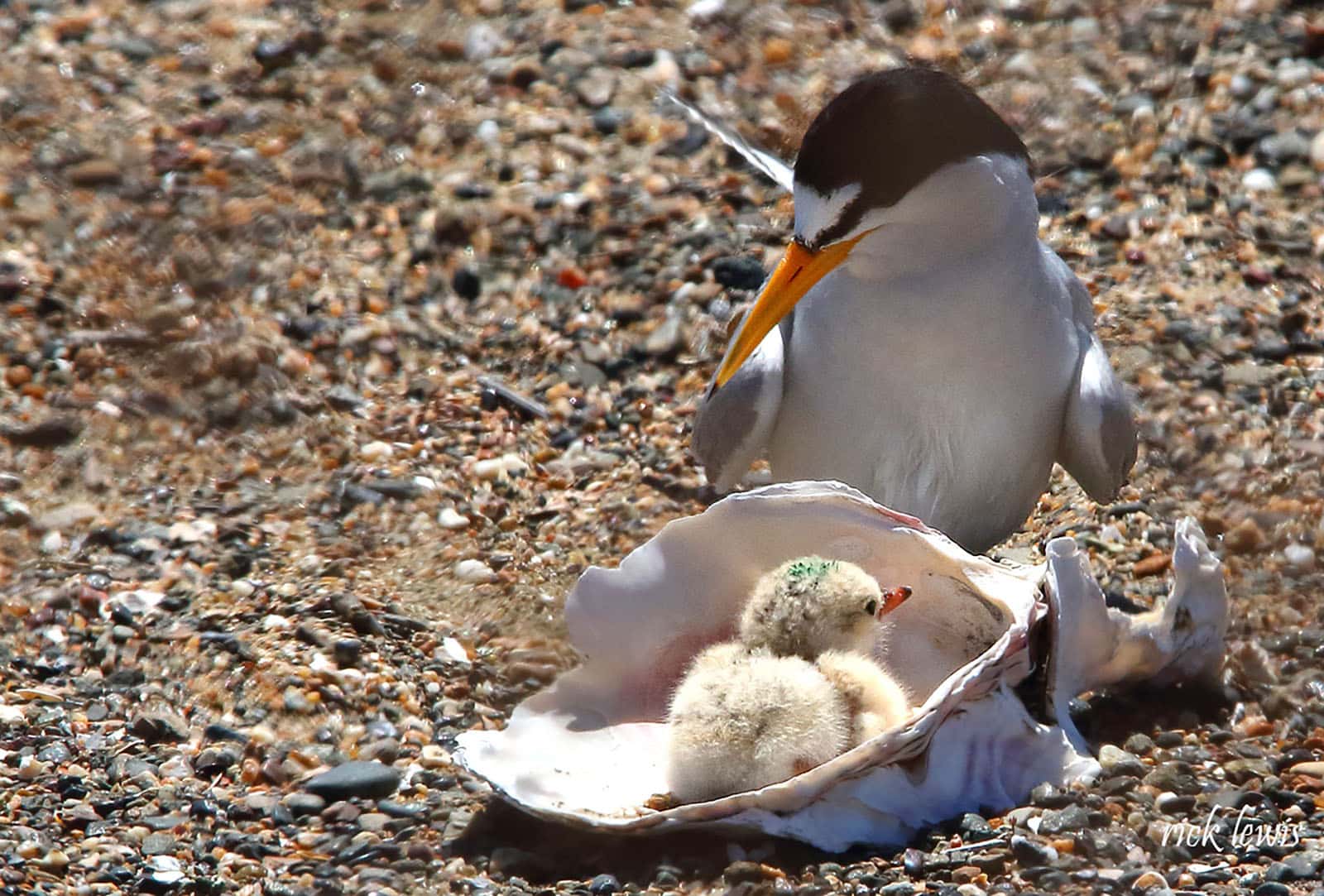
[3]California least terns are a state- and federally-listed endangered species, meaning there are very few left in the world, so they and their habitat must be protected in order to survive. California least tern numbers were diminished in the late 1800s when their bodies and feathers became fashionable for ladies’ hats and accessories. In 1940, Highway 1 was built along the whole California coast further encroaching on their nesting habitats. Development of coastal housing and businesses, and beach recreation severely curtailed their nesting success.
The development and activity also brought predators to their colonial nest sites, especially cats, dogs, and wildlife. These developments forced the terns to attempt to occupy less suitable habitat from mudflats to airplane landing fields. To put California’s least tern population numbers in perspective, there were just 225 nesting California least tern pairs recorded throughout the state in 1970 when they were placed on the endangered species list.
 [4]
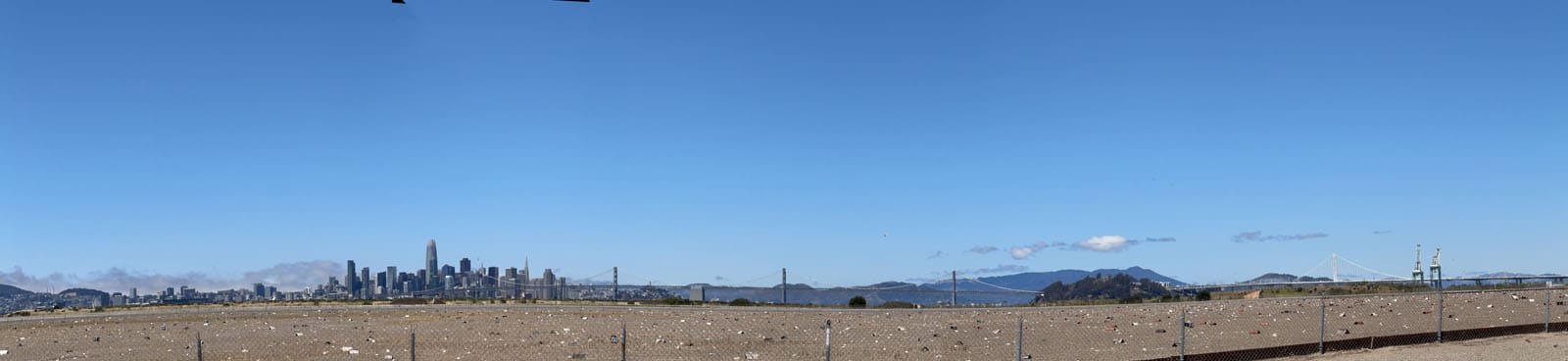
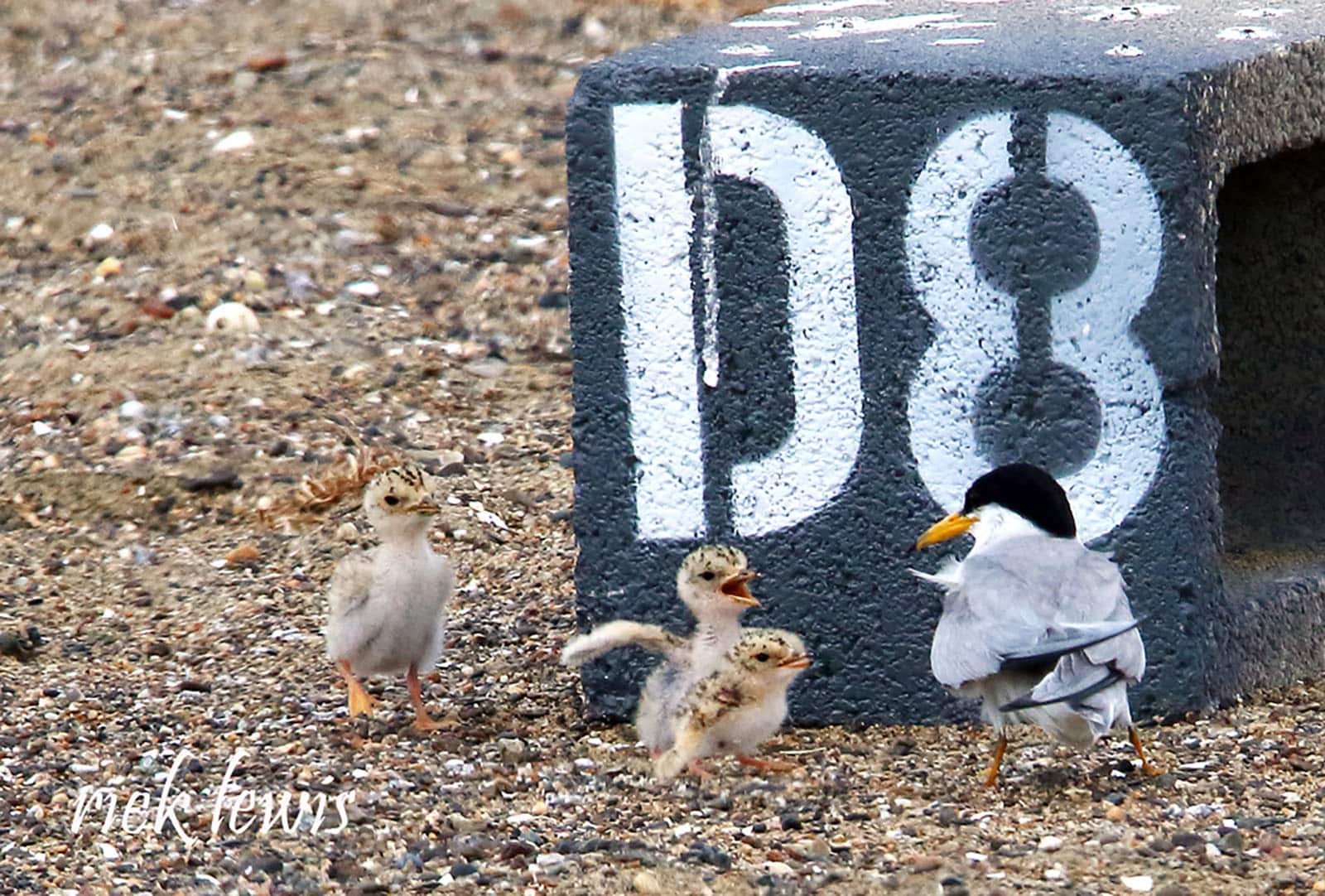
[4]Our nesting colony out at Alameda Point is protected on a former Navy runway. In the early 1970s the NAS Alameda base commander’s wife—an avid bird watcher—recognized the small birds nesting between the runways as California least terns, which had been recently listed as a federally endangered species. Only about 8.5 inches from the tip of their beak to the end of their forked tail, with a 20-inch wingspan, the white-and-gray birds with the black cap and white forehead are distinctive. About 10 pairs had established a nesting colony. She ensured they were protected during their summer nesting season (approximately April through August). The least terns continued to return every summer and their colony grew.
 [5]
[5]The Naval Base closure in the early 1990s meant that the care of the least tern colony had to be transferred to another agency. After the Navy left, the colony was managed by Point Blue (formerly the Point Reyes Bird Observatory) staff for two years until finally being taken over by the US Fish and Wildlife Service (USFWS). The Friends of the Alameda Wildlife Reserve (FAWR) was formed in 1995, one of Golden Gate Bird Alliance’s three Conservation Committees, to advocate for the protection of the tern nesting colony as well as educate school children and the public about these amazing birds. The colony site is now under the Veterans Affairs department which contracts with USFWS to monitor, protect, and enhance the Alameda Point Least Tern Reserve. The Alameda nesting colony, along with several others around San Francisco Bay (including Hayward Regional Shoreline’s “Tern Town” Island, operated by the East Bay Regional Park District), represent about 6% of the total breeding population of California least terns.


 [6]
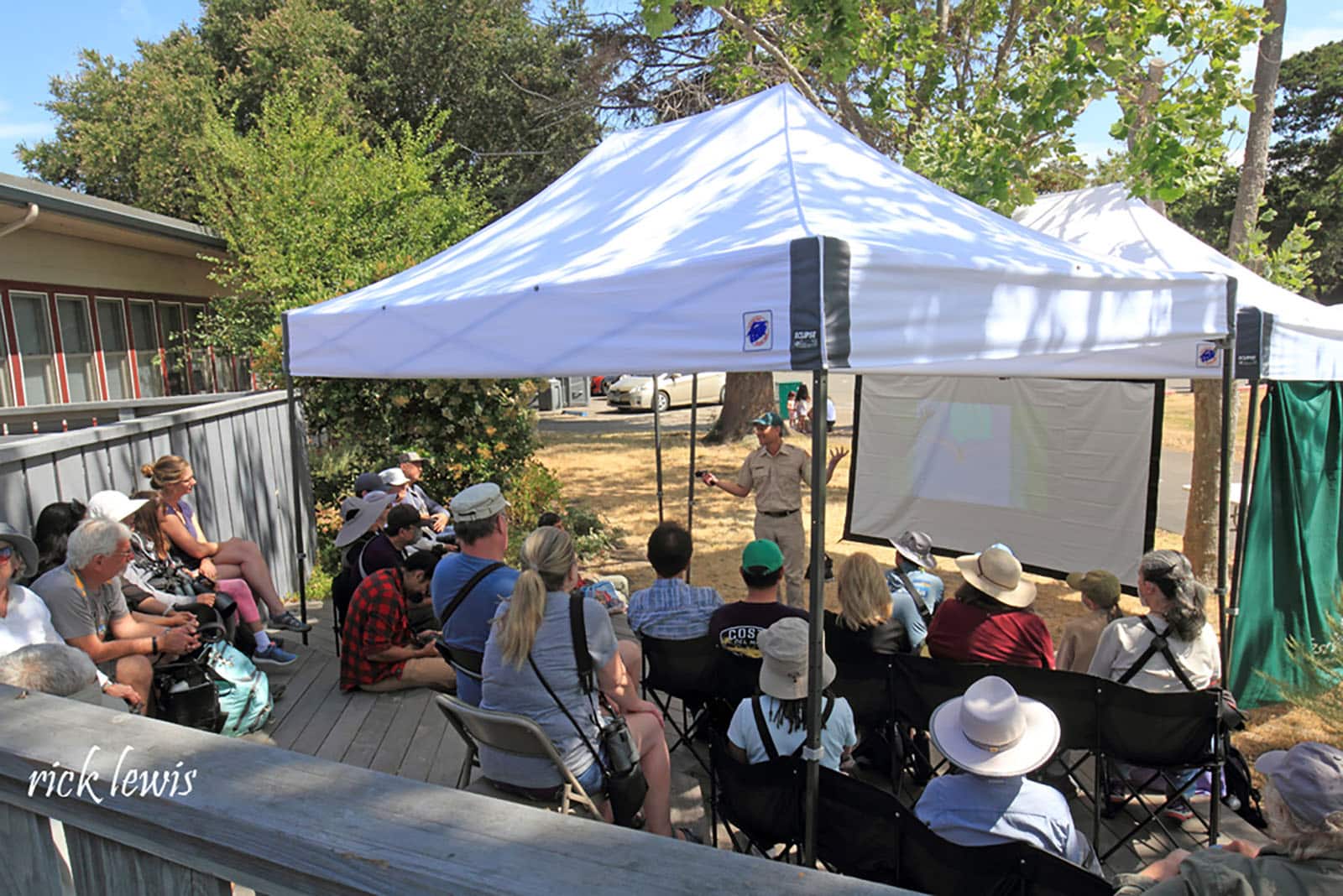
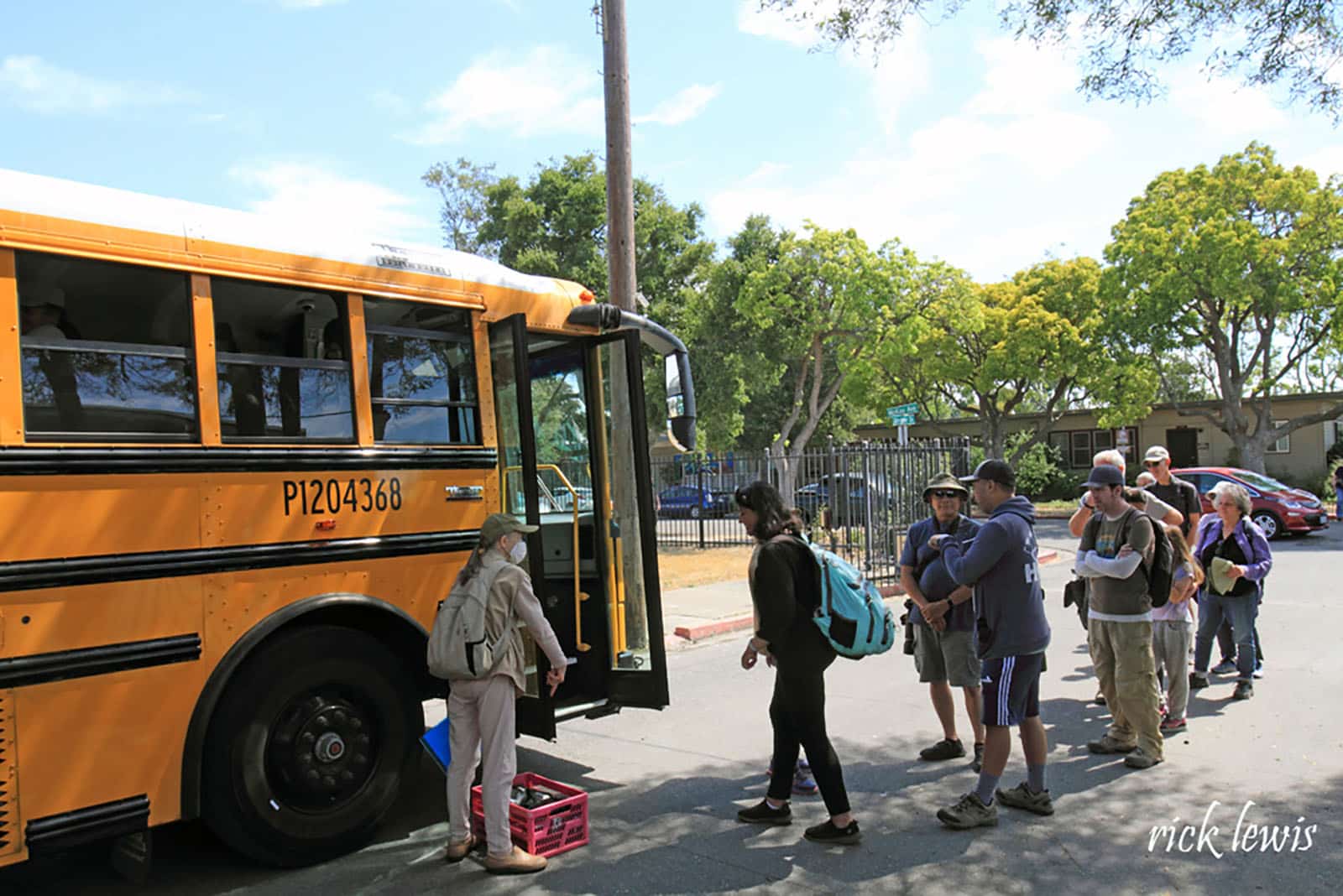
[6]On Saturday, June 27, you’ll have an opportunity to visit the Alameda Point nesting colony on one of three bus trips offered that day, the one day a year the public is invited behind the gate of the least tern reserve. The buses depart from the Doug Siden Visitor Center at Crab Cove [7]. There are also activities taking place at the visitor center throughout the day including a free slide show. For more information and to register for the bus trips to view the terns visit the East Bay Regional Park District’s Return of the Terns [8] webpage.
 [9]
[9]Protection of the nesting colonies will be needed far into the future as these small birds remain vulnerable to multiple predators in their remaining nesting colony areas, both domestic pets and wildlife. Climate change and rising sea levels are also a potential problem for these small birds with their need for shoreline habitat. Last year the Alameda least tern colony did very well with over 500 nests and potentially around 800 young fledged. With the Veterans Administration potentially leaving Alameda Point, FAWR is very concerned that protection for the least terns continues. Their future remains in our hands.
 [10]
[10]This article is part of a series written by Friends of the Alameda Wildlife Reserve (FAWR) members, FAWR is a Conservation Committee of Golden Gate Bird Alliance. To find out more about birds and GGBA’s free guided trips see www.goldengatebirdalliance.org [11]
Sharol Nelson-Embry is a member of GGBA and FAWR. She retired from the East Bay Regional Park District where she supervised the Crab Cove Visitor Center for 26 years.
Rick Lewis is a long time Golden Gate Bird Alliance member and also belongs to other environmental organizations. He often contributes photographs to Bay Area and Central Valley birding groups that promote wildlife & habitat conservation.