The wetlands and grasslands on the airfield at Alameda Point are looking alive with flowers and wildlife after a boost from heavy rainfall in April[1] and temperatures in the high 70s.
A seasonal wetland next to the shoreline, created by the Navy[2] in 2016 as mitigation for covering a nearby wetland, is finally reaching maturity with a rich and colorful palette of vegetation. This comes after years of failed attempts[3] at growing new vegetation, mainly due to recurring drought conditions[4], which led to installing an irrigation system connected to a fire hydrant.
Nearby, another seasonal wetland between runway and taxiway pavement at a lower elevation, which was designed to be a drainage area for rainwater, is alive with the sounds of birds and crickets.
Below is a gallery of some of the sights and sounds captured during two visits to the area in April and May of this year. A previous gallery from the area was featured in the Alameda Post[5] in May 2024. The area is slated to one day become a regional park[6].
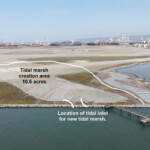
[7]New seasonal wetland created by the Navy at Alameda Point, as seen on May 3, 2026. San Francisco is in the background. Photo by Richard Bangert.[8]Purple owl’s clover in the new seasonal wetland. Photo by Richard Bangert.[9]Bird’s-foot trefoil (yellow) and common stork’s-bill (purple) stand out in the new seasonal wetland. Photo by Richard Bangert.[10]Bird’s-foot trefoil in the new seasonal wetland. Photo by Richard Bangert.[11]Yarrow in the new seasonal wetland. Photo by Richard Bangert.[12]Common stork’s-bill in the new seasonal wetland. Photo by Richard Bangert.[13]Salt heliotrope in the new seasonal wetland. Photo by Richard Bangert.[14]Brome grass in the new seasonal wetland. Photo by Richard Bangert.[15]Savannah sparrow in the new seasonal wetland. Photo by Richard Bangert.[16]Black-tailed jackrabbits, also known as American desert hares, in the new seasonal wetland. Photo by Richard Bangert.[17]Black tail and extra large feet of a black-tailed jackrabbit in the new seasonal wetland. Photo by Richard Bangert.[18]Rock doves in the new seasonal wetland. Photo by Richard Bangert.[19]Eastern fence lizard between new seasonal wetland and rocky shoreline. Photo by Richard Bangert.[20]Pallid-winged grasshopper with exquisite camouflage, including eyeballs, on paved area near historic wetland. Photo by Richard Bangert.[21]Bellardia viscosa plant in the historic wetland. Photo by Richard Bangert.[22]Killdeer, a regular visitor and nester, near the historic wetland. Photo by Richard Bangert.[23]Aerial view of the Navy’s almost barren new seasonal wetland on June 4, 2023 with recently installed irrigation system. Photo by Richard Bangert.


 [7]
[7] [8]
[8] [9]
[9]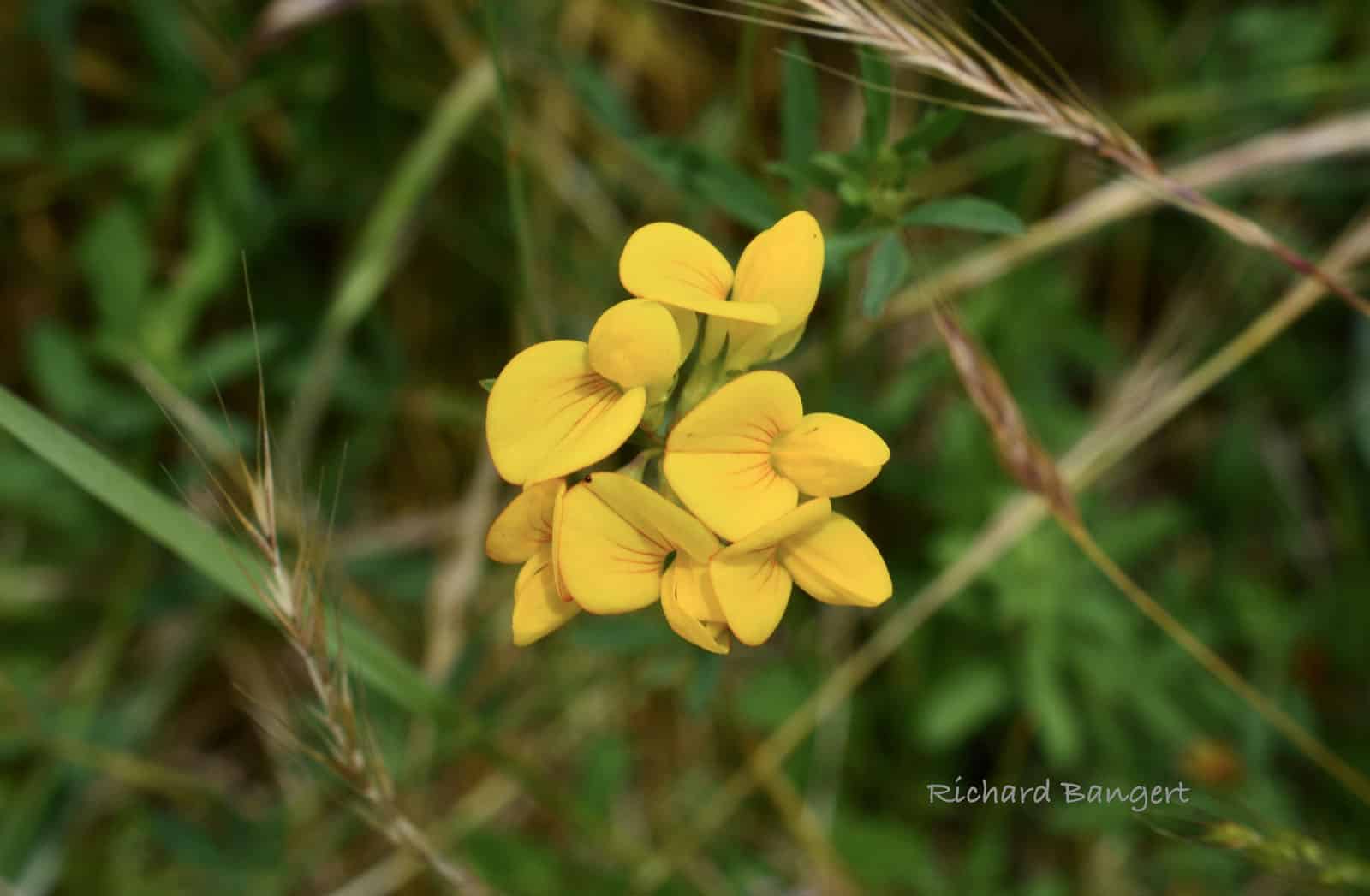 [10]
[10]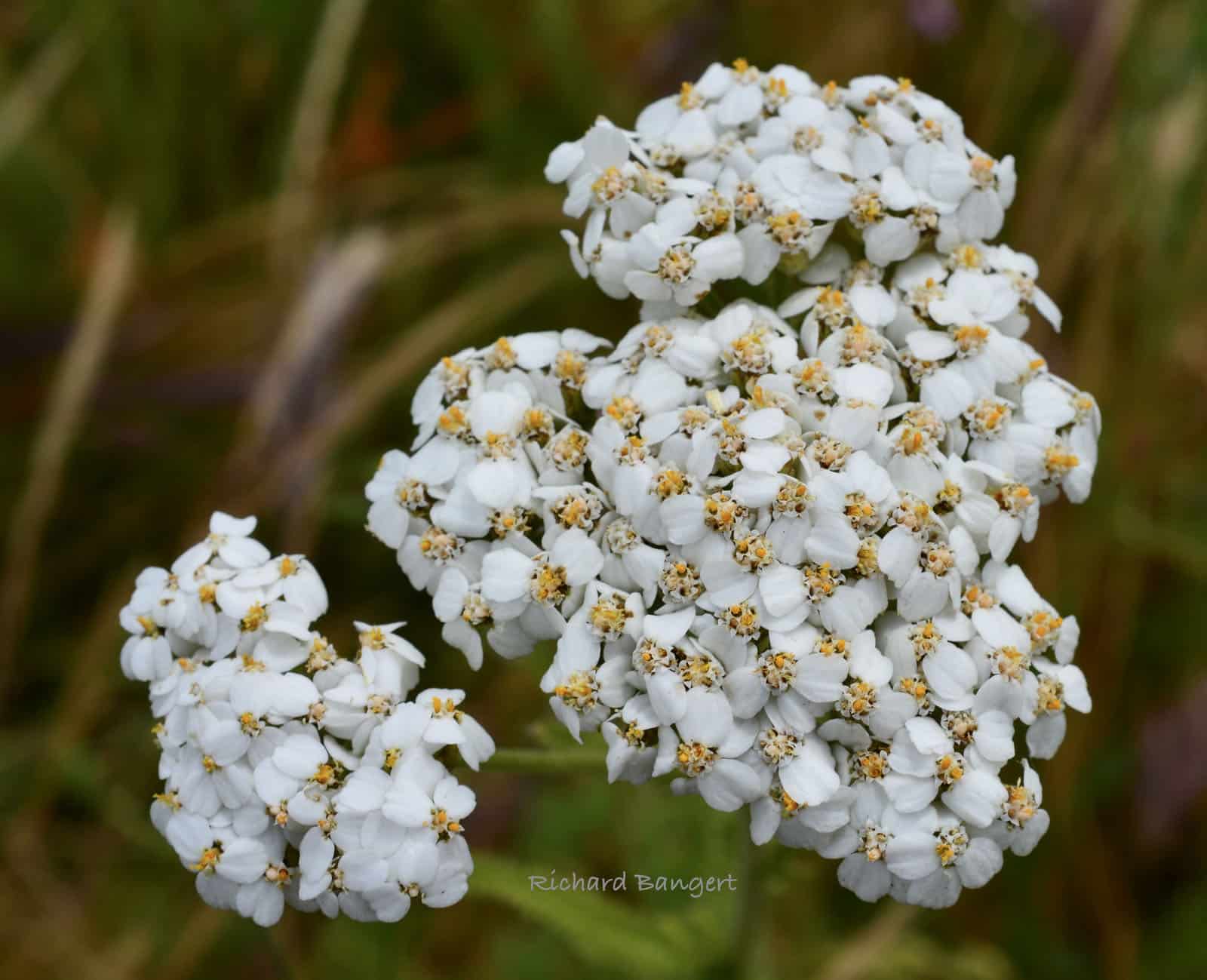 [11]
[11]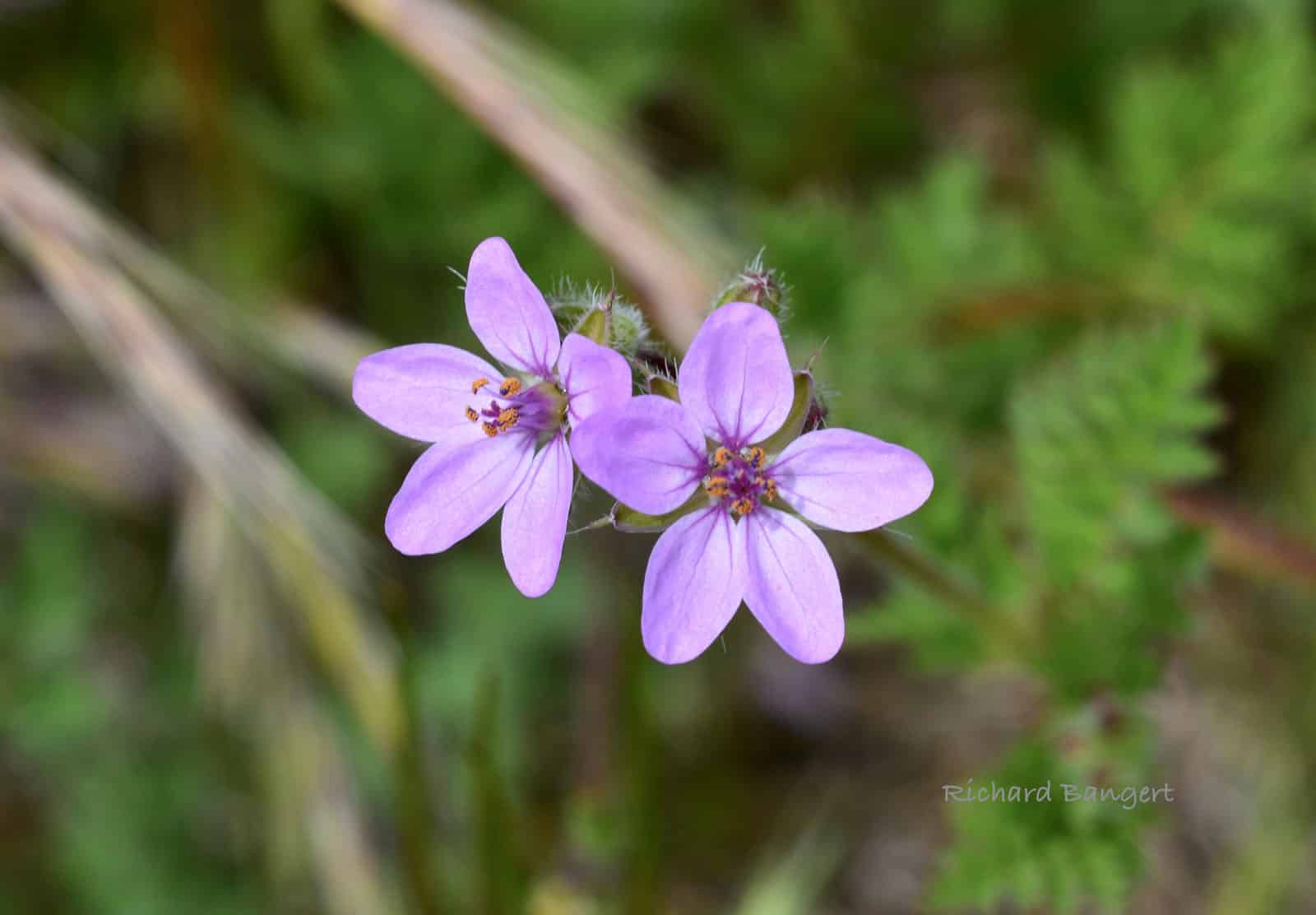 [12]
[12]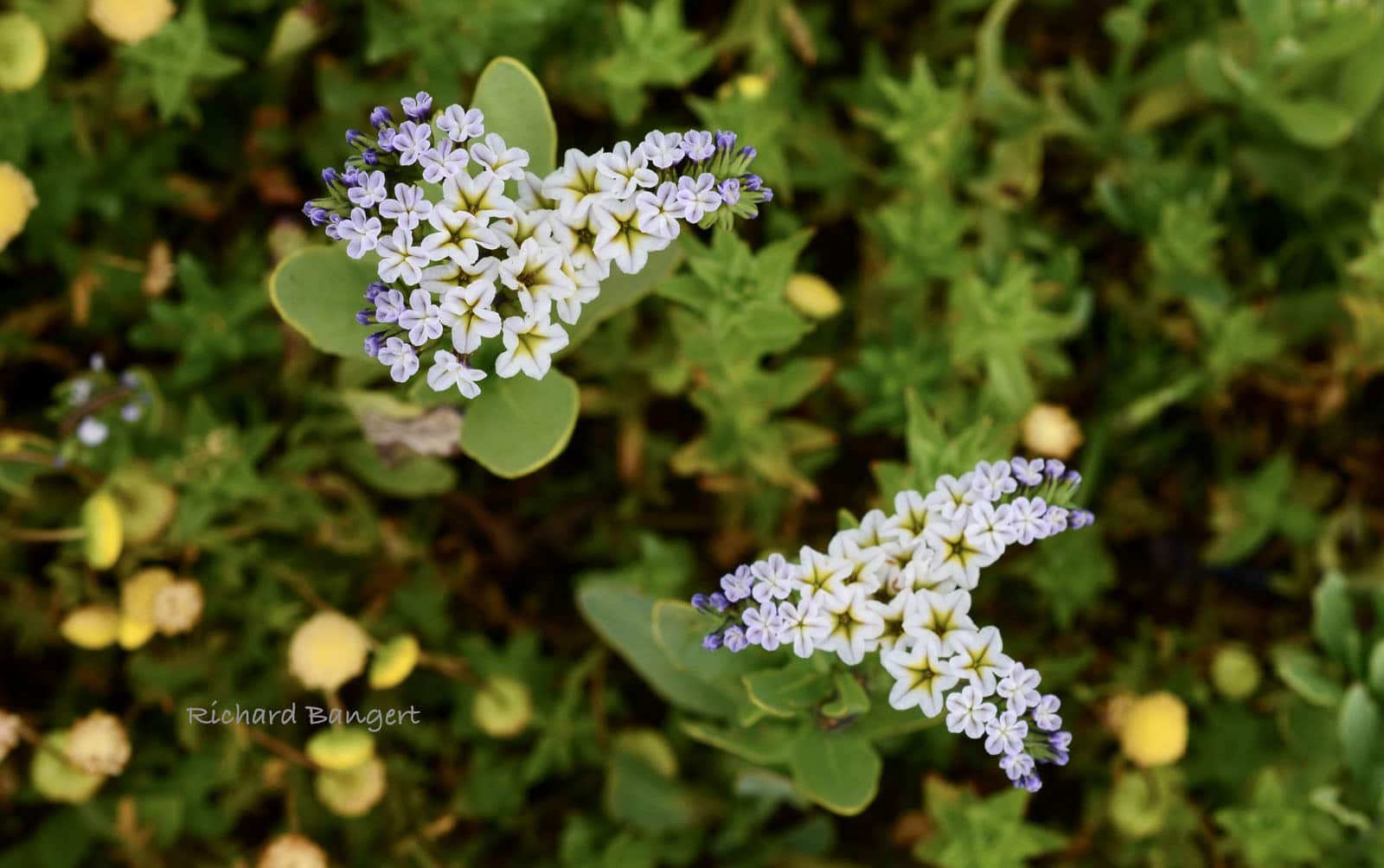 [13]
[13]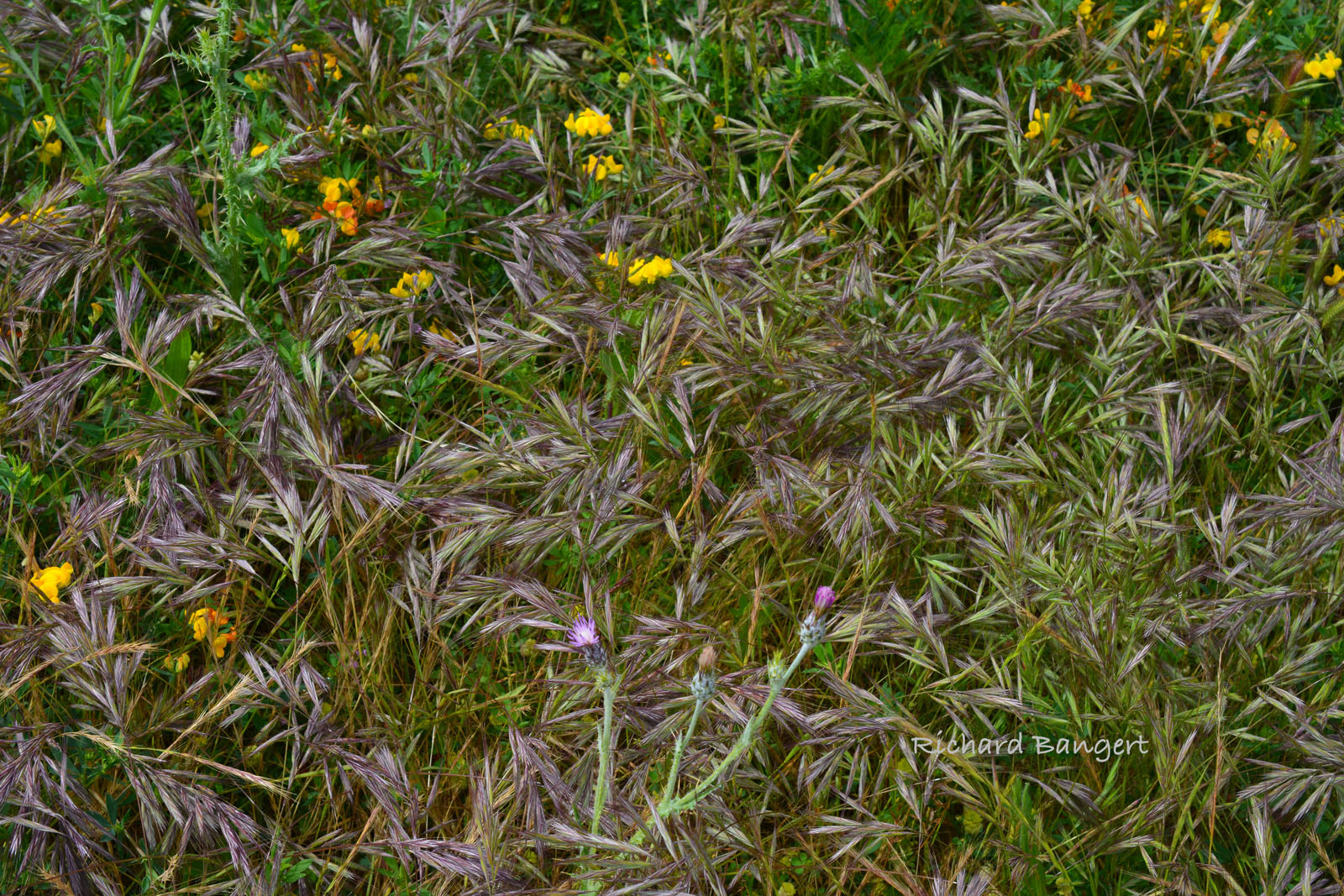 [14]
[14]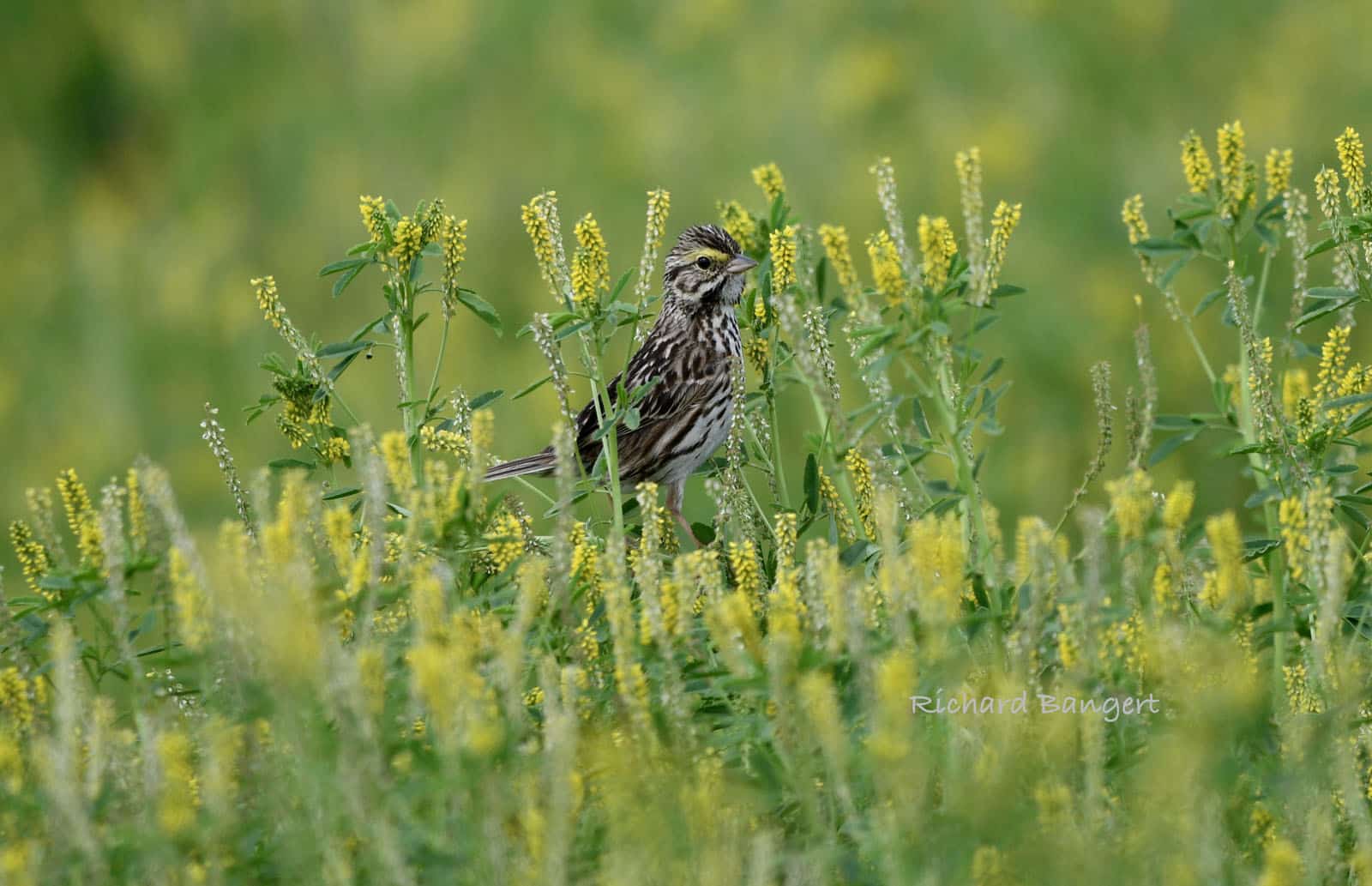 [15]
[15]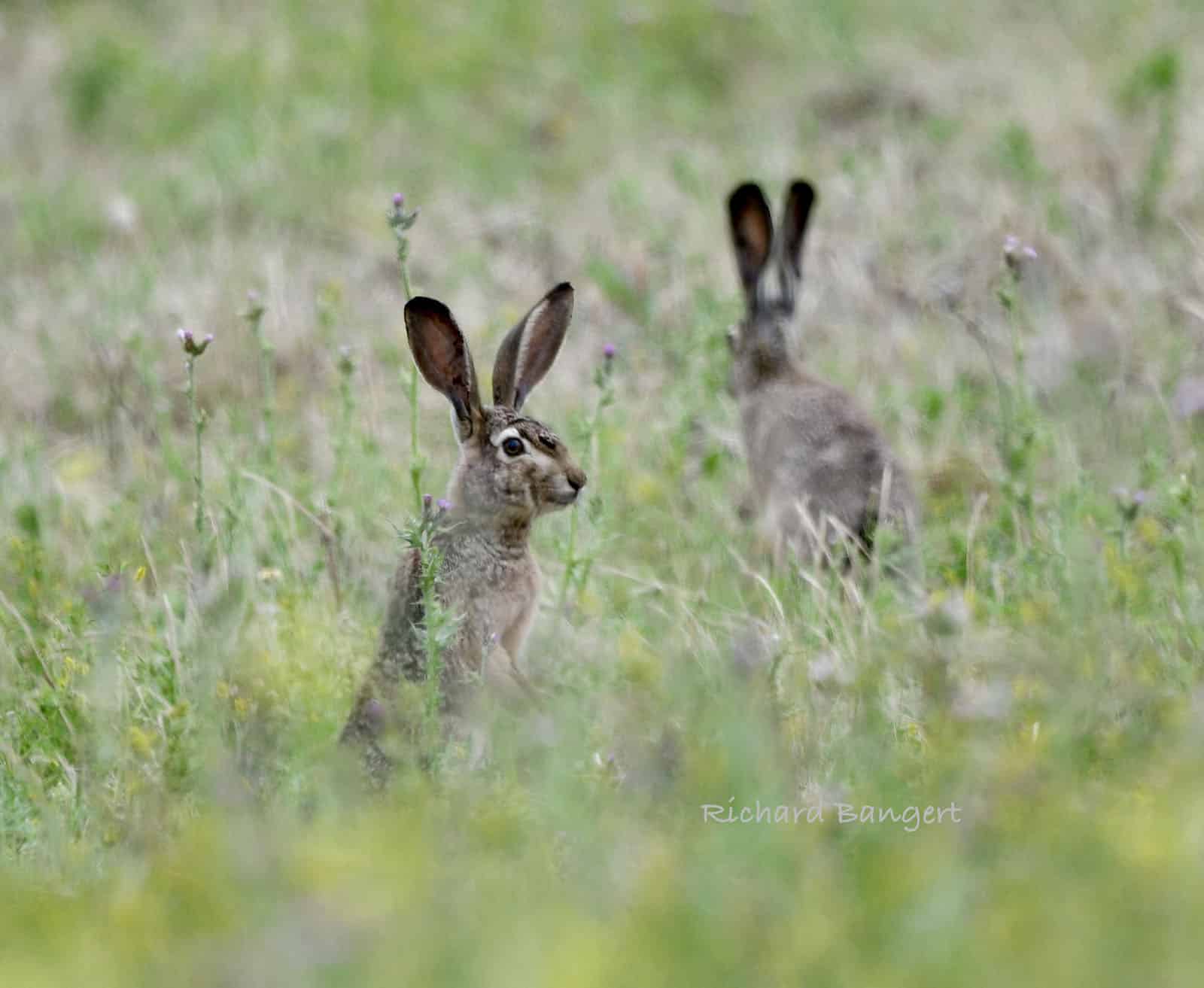 [16]
[16]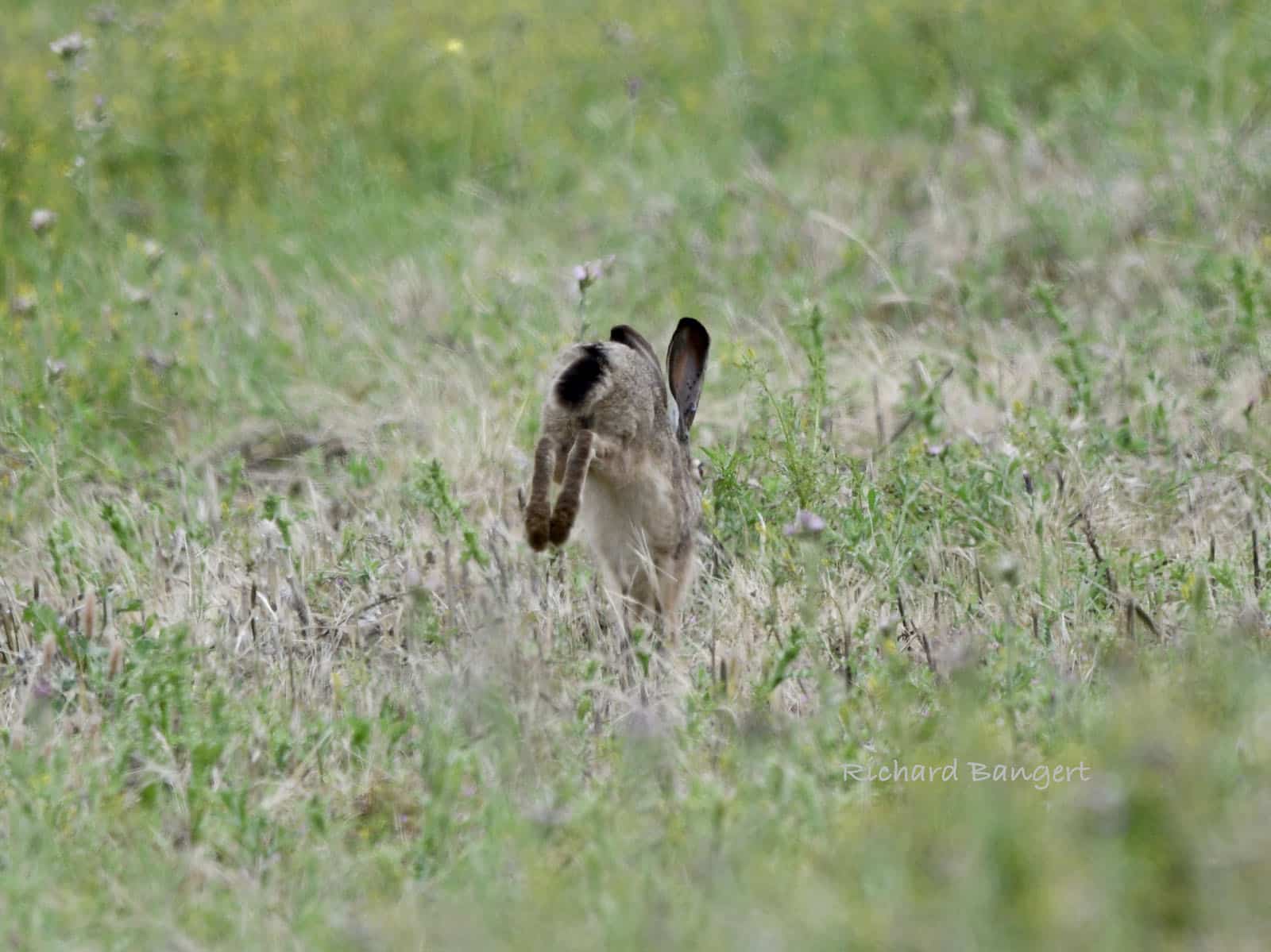 [17]
[17]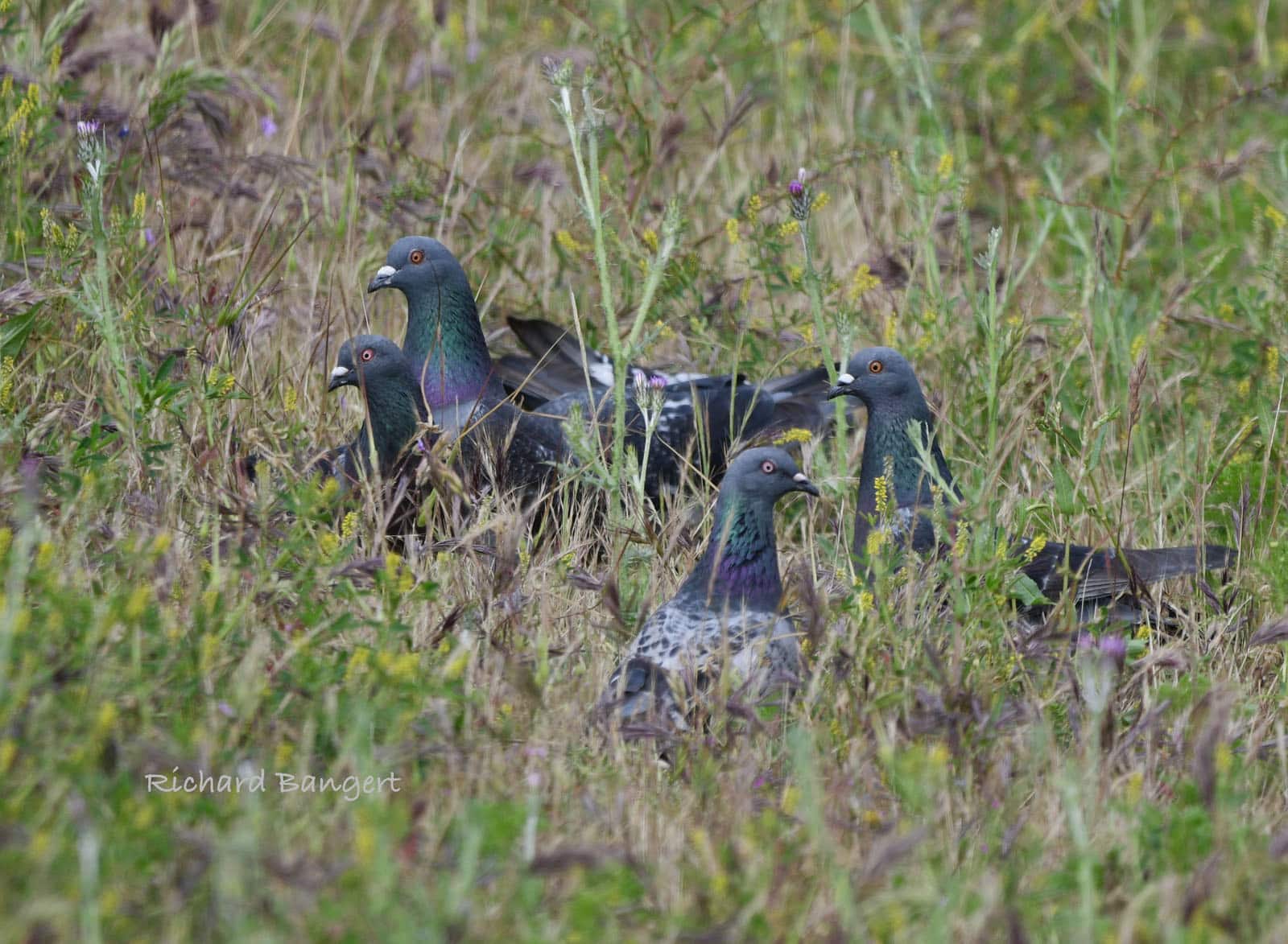 [18]
[18]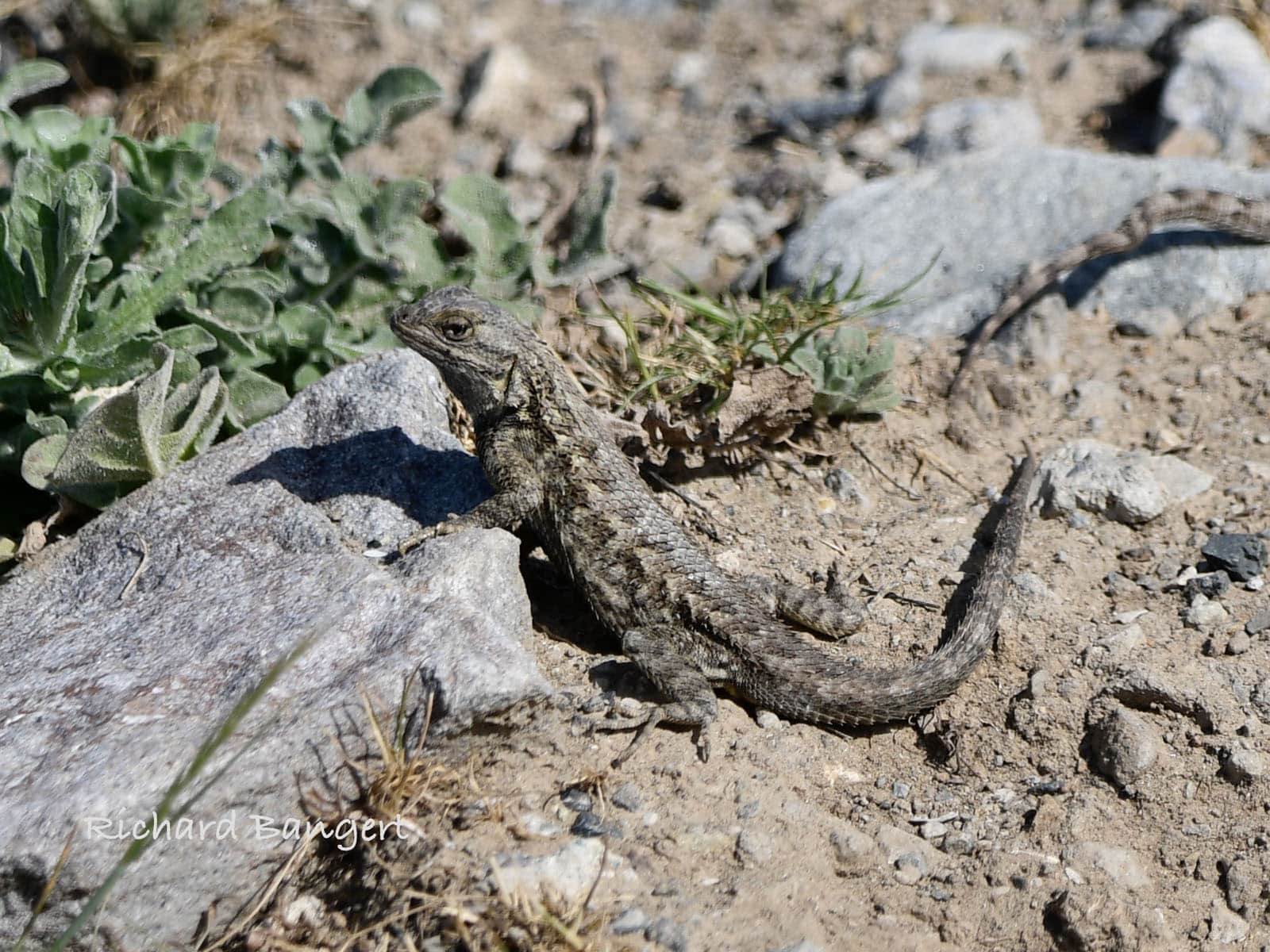 [19]
[19]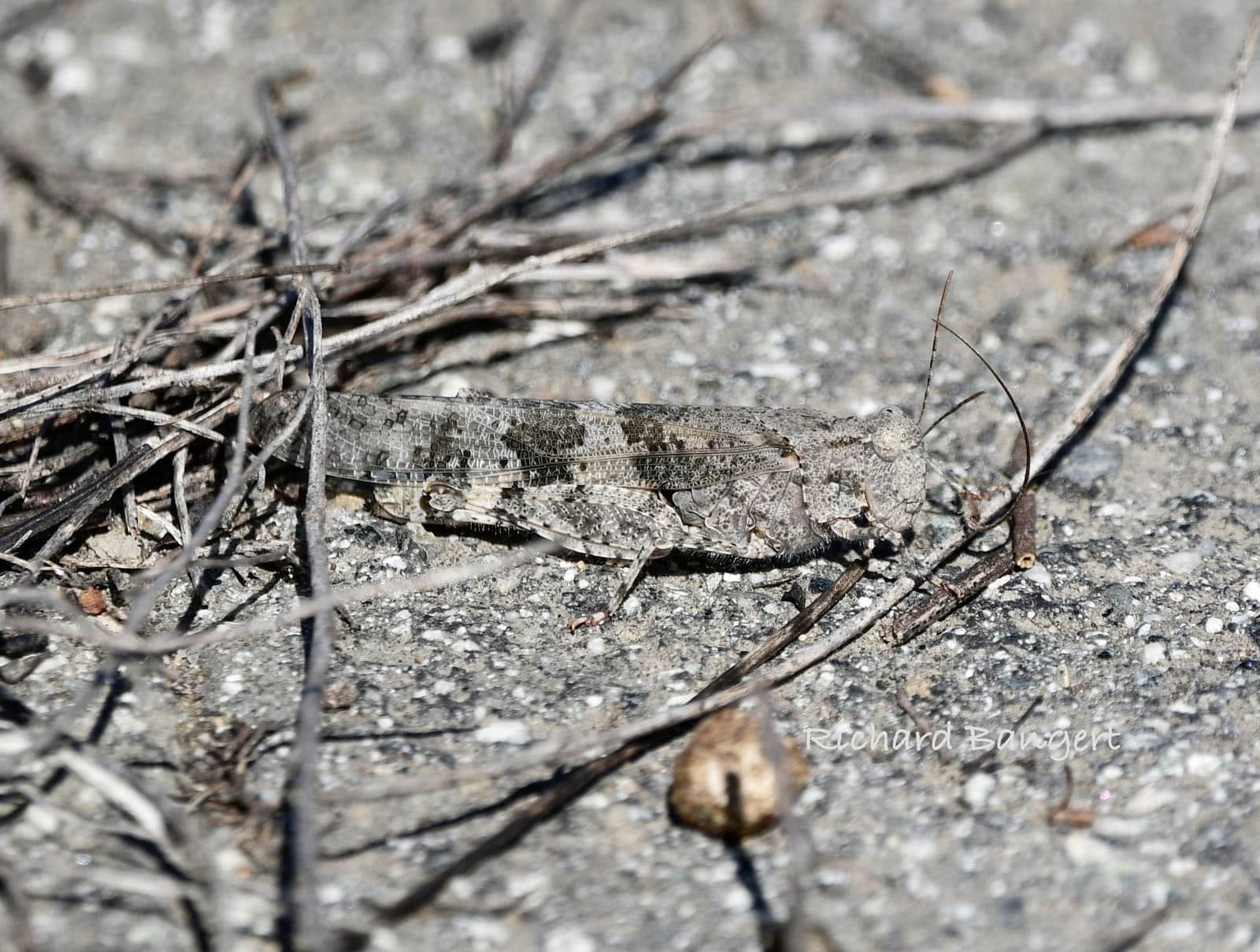 [20]
[20]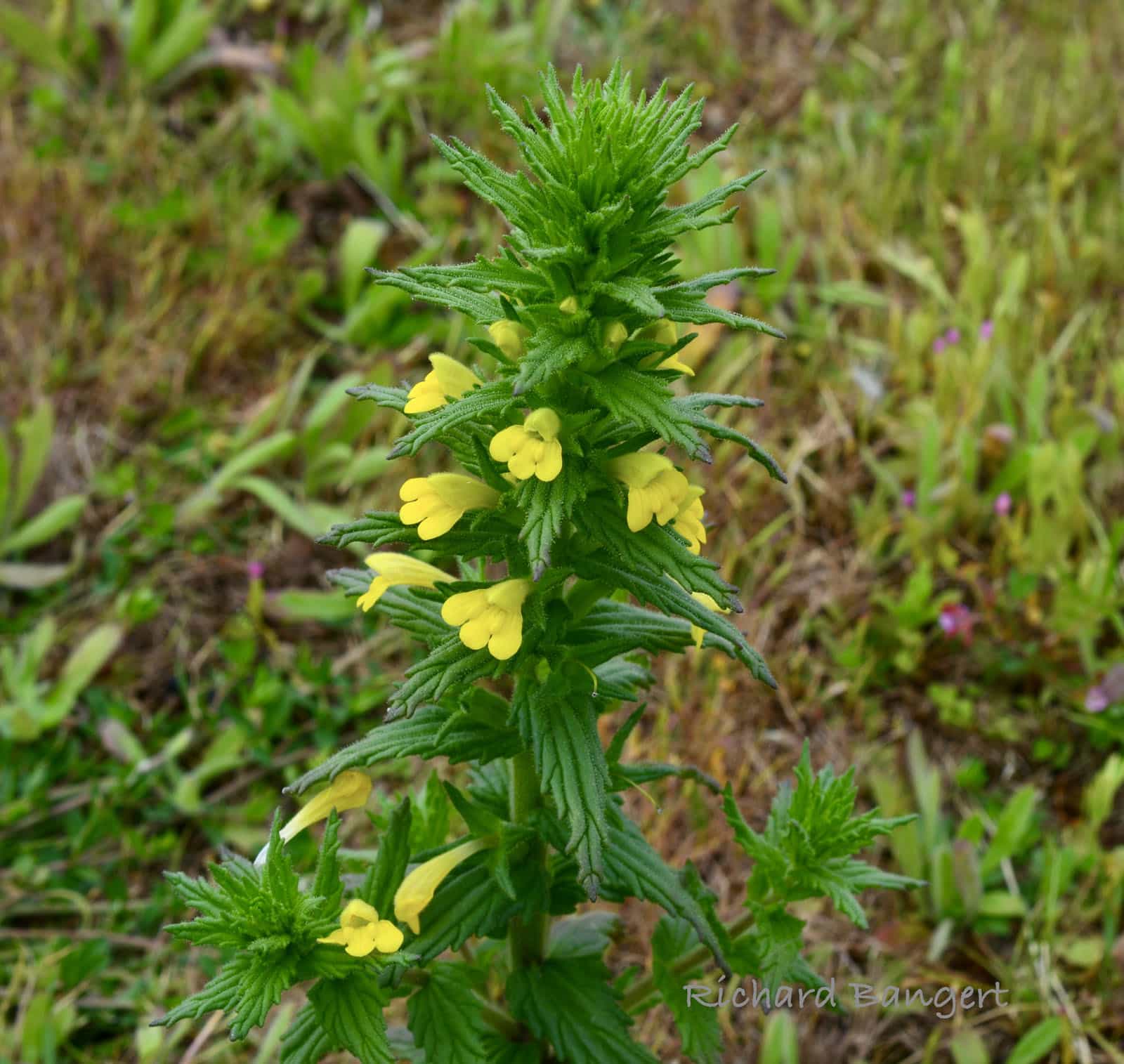 [21]
[21]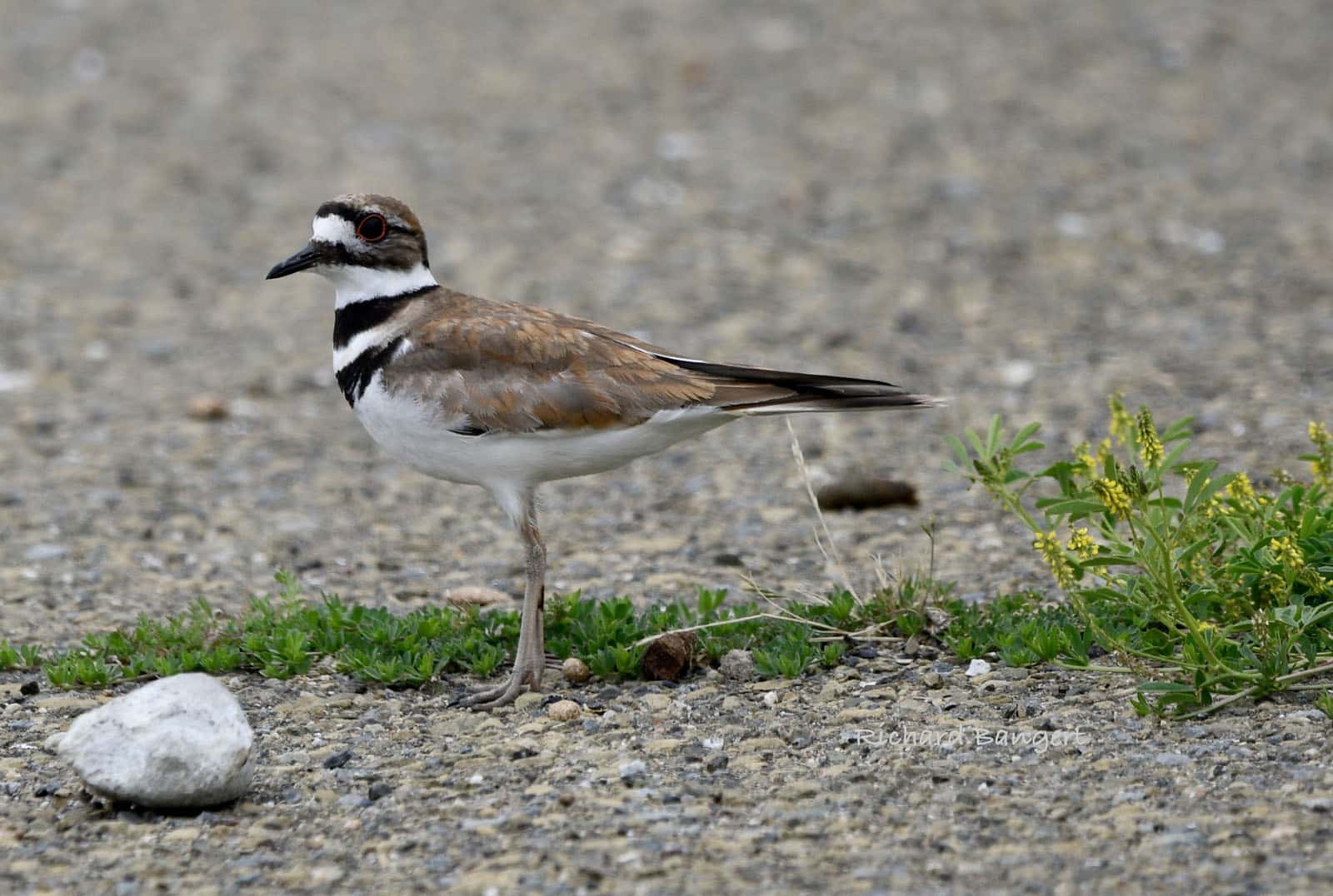 [22]
[22]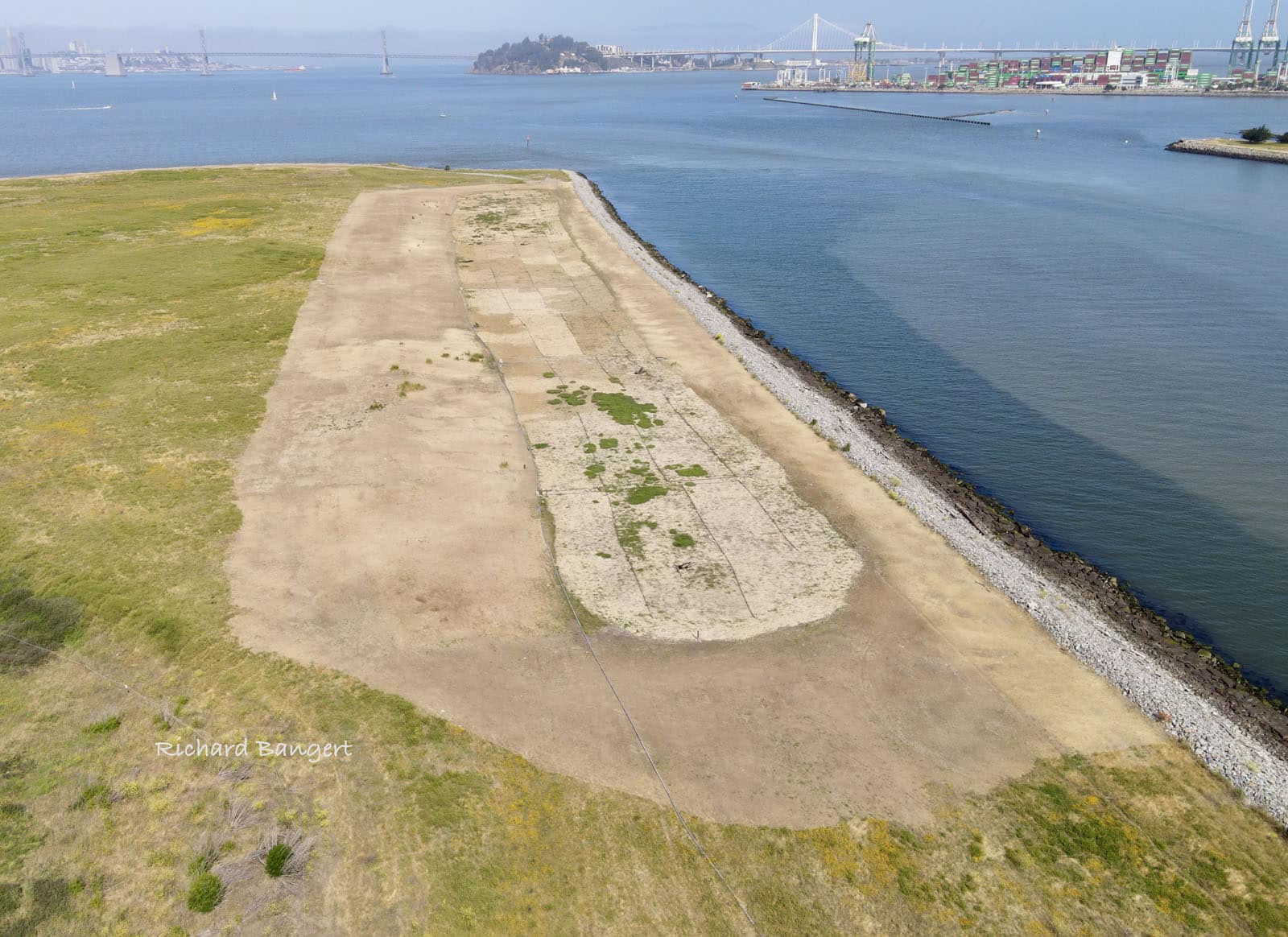 [23]
[23]