Celebrity chefs may fight about many things, but one and all agree that fresh herbs will instantly improve a dish. However, buying fresh herbs can be problematic. You may have to buy a lot more than you need, and then have to throw out the rest when it goes bad. The small boxes of herbs in the grocery store are packaged in plastic and expensive. The kind you want may not be available. The solution? Grow your own.
 [1]
[1]Many herbs will be perfectly happy in an eight inch pot on a sunny windowsill, making your room smell nice in the bargain. Thyme will enliven a rock garden. If you have a sunny patio or balcony, you can start a pot of mint and grow your own tea and candy making ingredients. As a matter of fact, it is a really bad idea to plant mint in a garden because it is uncontrollably invasive. Put your mint in a pot unless you want to end up with nothing but mint.
The budget-friendly way to grow herbs that like to go to seed (cilantro is the worst offender, but basil will often bolt prematurely as well) is to buy a packet of seeds and three pots. Put some rocks in the bottom of one pot for drainage, fill with potting soil, and water until the soil is the consistency of a wet sponge. Plant 3 seeds, following package directions. Put the pot in a sunny location and keep the soil moist. You should see seedlings in a week or so. Three weeks from the time you started the first pot, start the second pot. Three weeks from the time you started the second pot, start the third pot. When your herb bolts, compost it and repeat the three pot process. This system should give you a continual supply of pesto, salsa or green chutney.
Some herbs that do well in Alameda
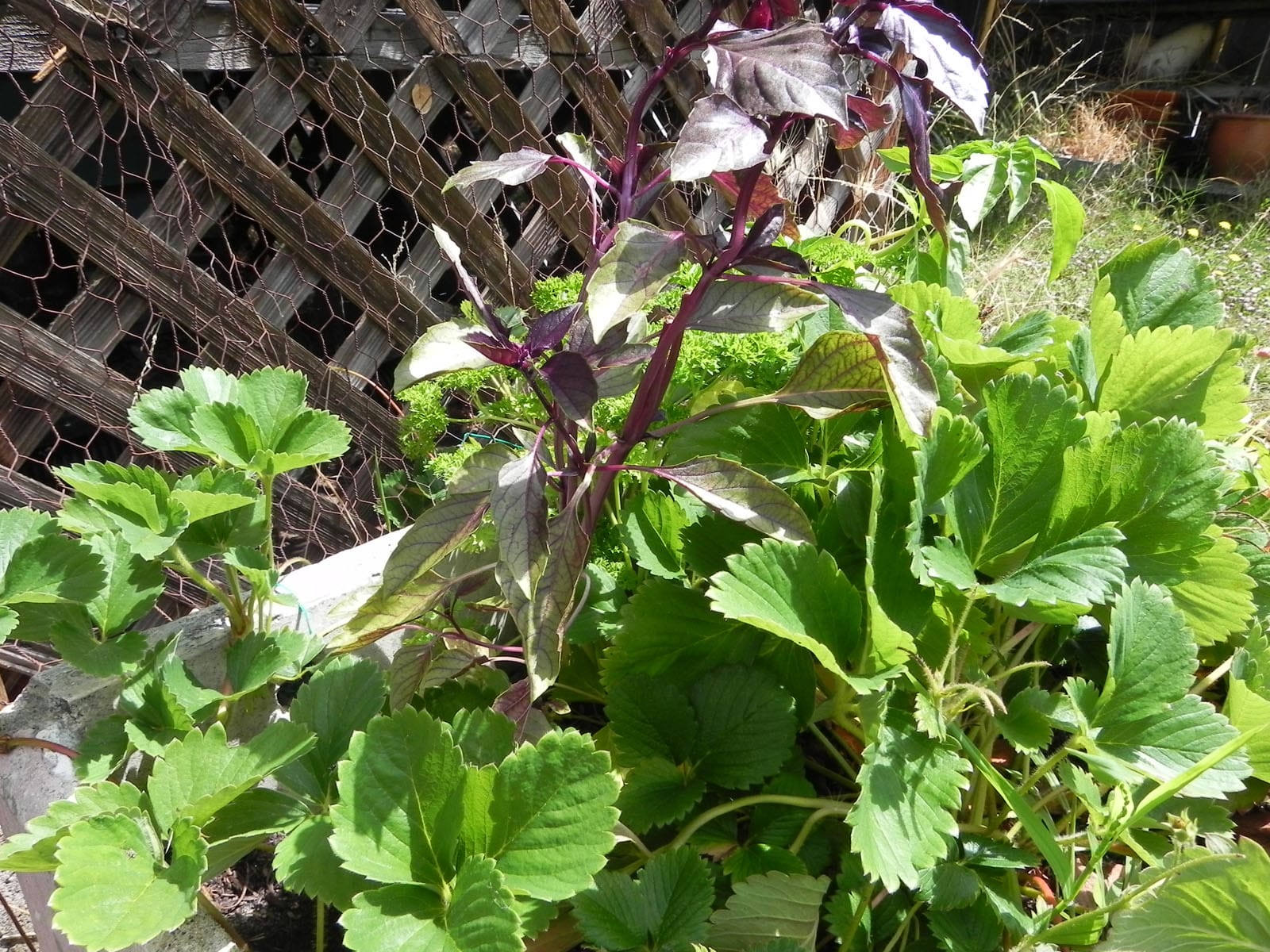
- Basil There are many different varieties of basil, from fragrant dark purple basil to spicy Thai basil. Many varieties are only available as seeds. All kinds of basil like warmth and hate soggy soil, so make sure the spot where you plant your basil has good drainage. Amend the soil with compost before you plant and avoid crowding the plants. If you are starting from seed, start your plants inside to get a jump on the season.
- Catnip Supposed to be perennial, but is usually quickly loved to death by every cat in the neighborhood. Start inside and plant outside in full sun in a cat-proof enclosure.
- Chives Chives are perennial in Alameda’s climate. Like other herbs, this plant likes fertile, well drained soil. It prefers full sun, but will put up with some shade. Onion chives have purple flowers; Garlic chives have a mild garlic flavor and white flowers and are often used in Asian cuisine.
- Cilantro Cilantro likes it cool and moist, so growing cilantro is fairly easy from October through April and challenging from May through September. The seeds are coriander, a spice used in Indian cuisine. Although some varieties claim to bolt much later than normal, “much later” generally means “two weeks.”

- Mint If you want one of the less common mint varieties, such as chocolate mint or the very pretty pineapple mint, it’s best to buy a plant from a nursery, as mint will not grow true to type from seed. Mint is very hardy and will put up with some shade, less-frequent watering and not the best soil.
- Parsley Parsley is a biennial, meaning that it will go to seed the second year. It is one of the easiest herbs to grow, just needing full sun and regular watering.
Caring for herbs
Keep the soil moist, but not soggy, for happy plants. Fertilize once a month, following the direction on the fertilizer package. If your plant is getting leggy, it isn’t getting enough sun. Move the pot it to a sunnier location, or, if it is inside, rig a grow light.


Harvesting herbs
When the plant is at least seven inches tall, you can start snipping or pinching off the leaves closest to the ground. Just take as much as you need for your recipe. I have found that pinching off the top growth on basil will cause it to become bushy and produce more leaves per plant.
Cooking with herbs
Cooking with fresh herbs can be an exciting adventure. Who knows, maybe you too will end up as a celebrity chef with your own cooking show!
Sidebar: Dealing with Black Fig Fly Infestations
Normally, fig trees in this area have few pests. That has changed. An invasive insect has been found in fig trees around Alameda. The Black Fig Fly [3] [PDF] is a tiny fly that only infests figs. It makes a hole in the blossom end of an immature fig and lays eggs. The eggs hatch and the larvae eat the fig. Infested figs drop off the tree before ripening.
 [4]
[4]The larvae (small caterpillars) will eventually crawl into the ground and form a cocoon (“pupate”) buried in the soil under the tree, where they are safe from chemical sprays. In the spring, the larvae will eventually turn into more tiny flies which will seek to infest more figs.
The University of California, Alameda County Master Gardeners, and Alameda Backyard Growers have made the following suggestions to suppress the fly:
- Pick up all fallen figs on a regular basis and put them in the green bin. Your own compost heap does not get hot enough to kill the larvae.
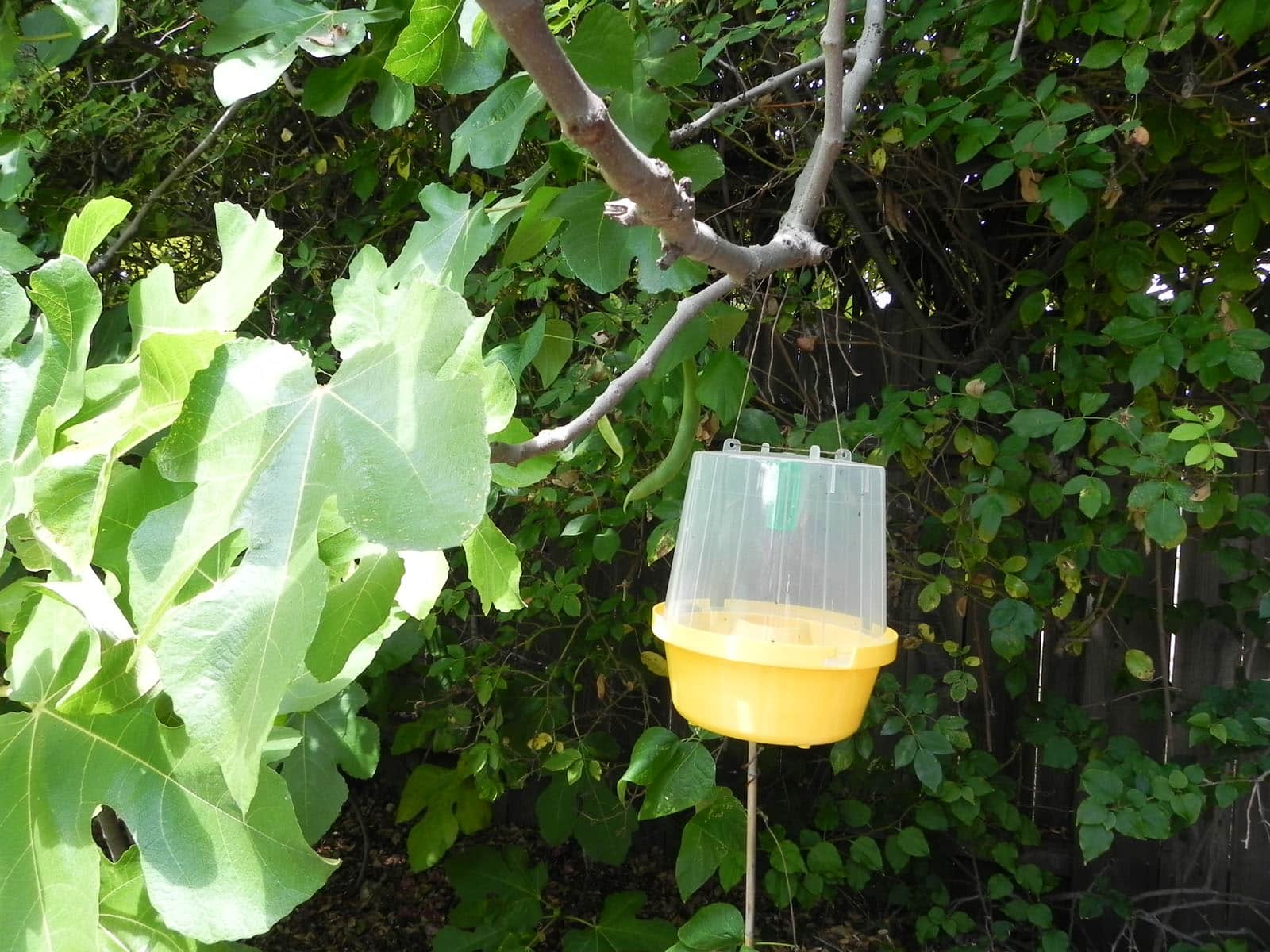
- Get McPhail traps, baited with yeast pellets. One source is Harmony Farms [5]. It is suggested to call them at (707) 823-9125 to order. They have online ordering, but they have been having website problems. I have been using the traps. They catch a lot of flies and even some yellowjackets.
- Next winter, scrape up 2-4 inches of soil under your fig. Bag and dispose. Replace with clean dirt.
- Or, as an alternative, spread heavy plastic around your tree and anchor with rocks. The pupae will be unable to get through the plastic and will die.
AND: Do NOT take figs from your tree to other areas without cooking them (pastries, fig jam) first. Moving uncooked figs around risks spreading this disgusting pest.
Resources:
Margie Siegal is a long term gardener in Alameda and a supporter of Alameda Backyard Growers. Reach her via [email protected] [7]. Her writing is collected at AlamedaPost.com/Margie-Siegal [8].