Yuzu is the latest flavor showing up on menus everywhere. Whether it’s offered as an intriguing option for a beverage or popping up at eateries as the new must-try dessert. If you haven’t already, you’re bound to encounter yuzu soon.
 [1]
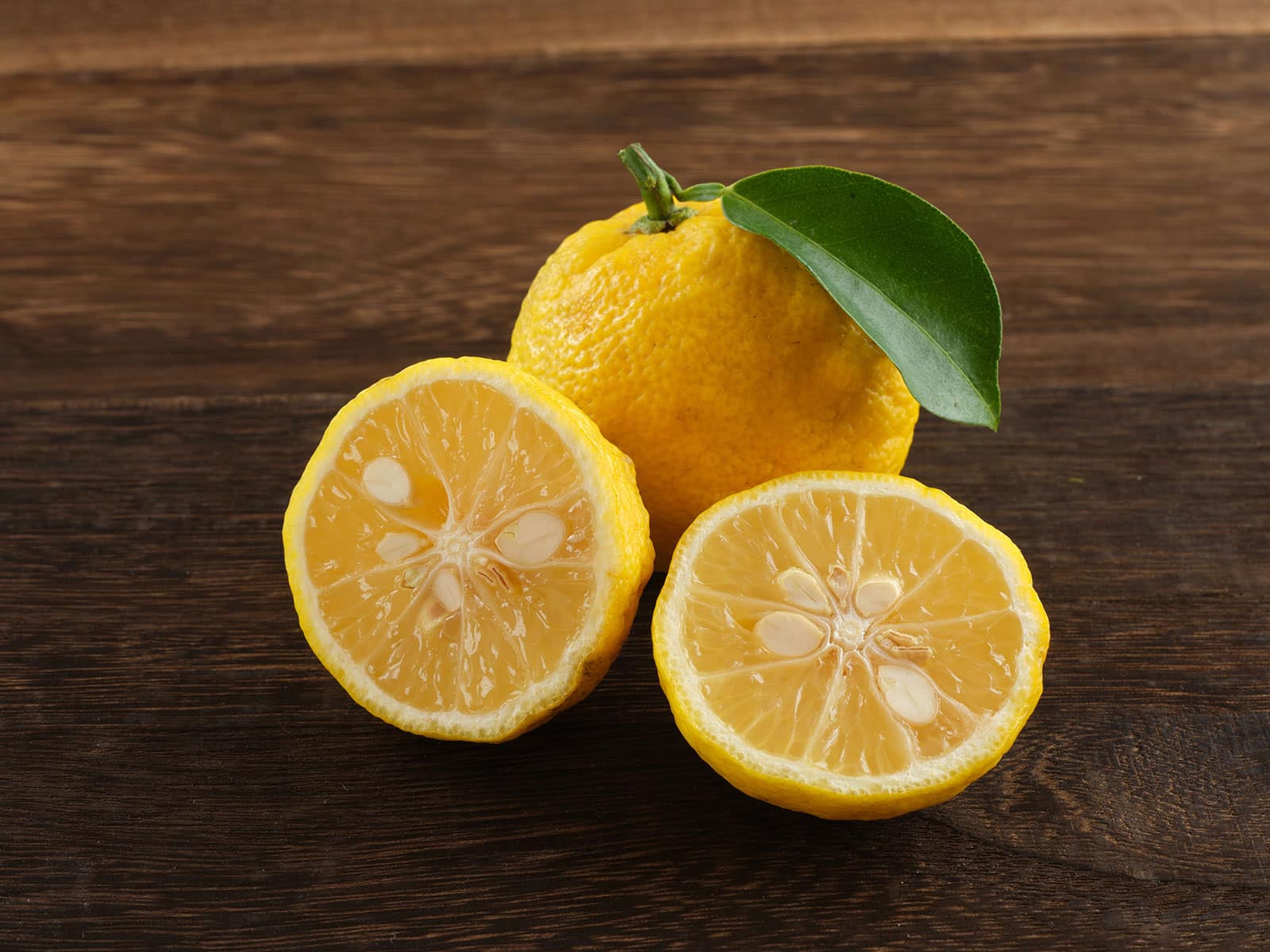
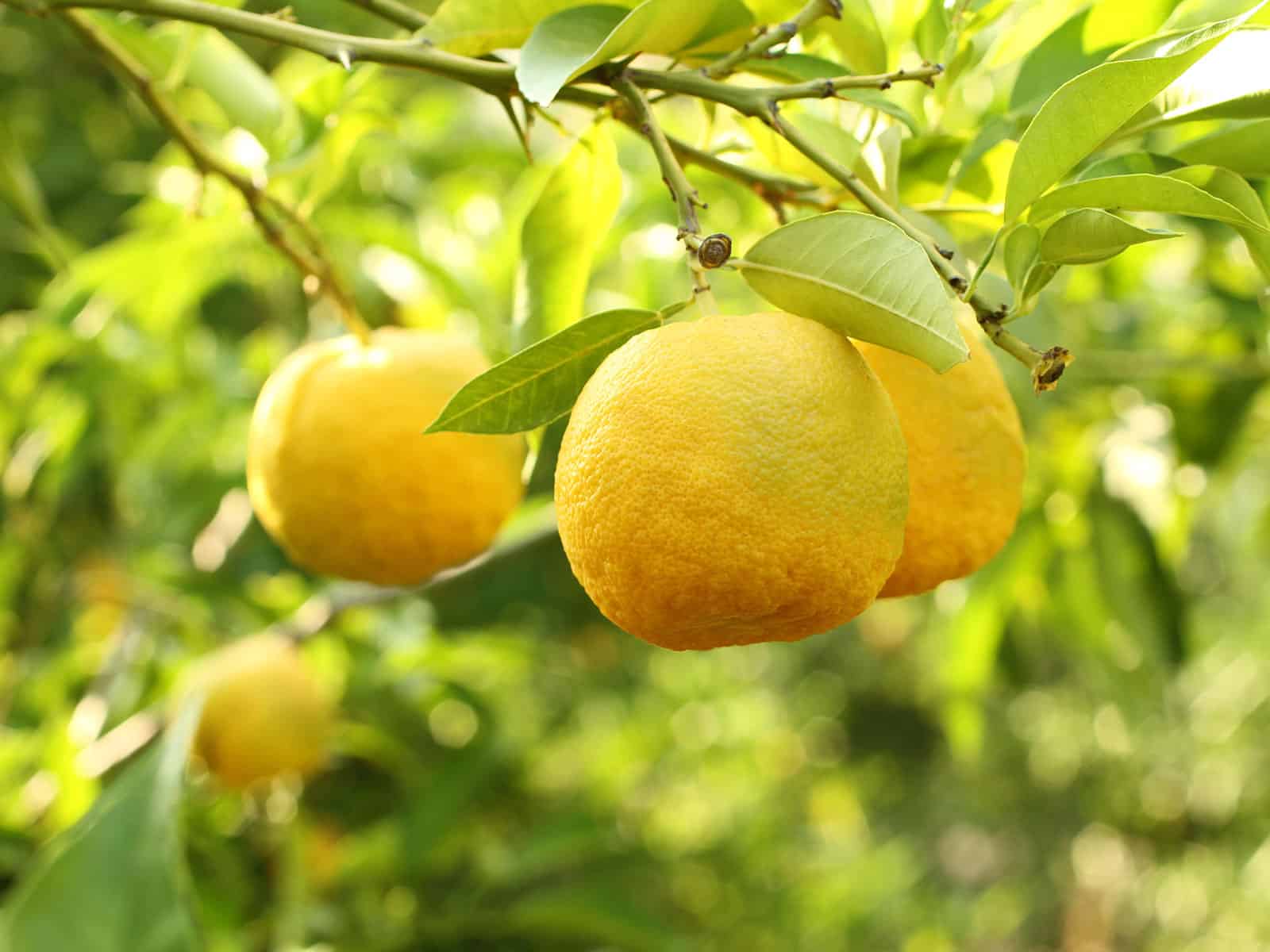
[1]Yuzu has been around for centuries, however, primarily enjoyed in Asia until its use in fine dining in the early 2000s. In recent years, its popularity has grown. A bumpy, bright yellow citrus fruit the size of a tangerine, yuzu is believed to have originated in China, but because it is widely used in Japan, it is more commonly associated with that country, even being referred to as Japanese citron.
Its tart flavor is often described as a bitter cross between a lemon, grapefruit, and orange. Cut it open and you will find its yellow flesh is full of seeds, so it yields much less juice than other citrus fruits of similar size. Additionally, yuzu has a thick rind but its peel can be zested to enhance any recipe. What each fruit lacks in usable volume, it makes up for with a powerful flavor punch. So if you swap it out for a lemon or lime in a recipe, take it easy—begin with a smaller amount and then add to taste.
To protect our citrus crops from agricultural disease, fresh yuzu, considered a high risk carrier, can not be legally imported to the United States. ScienceInsights shares alarming facts [3] of how imported disease has reduced Florida’s citrus production by 40%. This restriction makes yuzu expensive and difficult to find in most of the U.S. Fortunately, however, we are able to find yuzu in many California stores as it is grown commercially in our state.
Yuzu is of the cold-hardy variety of citrus, like Satsuma mandarins and kumquats. This means that you or I could grow yuzu, as much of California falls within Zones 8 to 10 which is suitable for these fruit trees. It makes me giddy to think that I would only need to go to my own backyard to pick a fruity gem! I could add it to a marinade for my meat, squeeze to make a tangy homemade vinaigrette or sauce such as ponzu (a blend of soy, vinegar and citrus, which in Japan is usually yuzu), or treat myself to a tasty mocktail. If craving a yummy yuzu dessert, I’d be able to take a few to any of my talented friends who bake, because I am not a baker. 😄
Related Articles




Here is the thing that makes me most happy about yuzu: It is a food I enjoy that is also good for me! Like other citrus fruits, it is packed with vitamin C and as I’ve shared in other articles, such as Living Life with Zest [4] and You Say Pomelo, I Say… [5], juicy citrus fruits are packed with health benefits. The facts behind the claims are backed up by the Cleveland Clinic in their article, Is Yuzu Fruit Worth Trying? [6] They tell us that in addition to the vitamins and nutrients found in yuzu, our health may benefit from reduced inflammation, cancer-fighting antioxidants, a boost to heart health, protection from dementia, and stress reduction.
 [7]
[7]In Asia, yuzu that does not meet the aesthetic standard is squeezed for juice and the peels are used by the health and wellness industry. A Business Insider video, Why Fresh Yuzu is So Expensive in the US [8], shows us how the fruit is grown, processed, and either packed for sale or as an ingredient for other than culinary consumption. Watching the video gave me an even greater appreciation for yuzu.
Take the time to find and try yuzu. Start simple and use it the same way that you might use a lemon or lime. Be careful to not overpower your dish—start with a little, add more as you desire, and enjoy the fresh new flavor yuzu will bring to your meal. Enjoy the party for your palate!
Contributing writer Denise Lum is a Health and Fitness Coach raising her family in Alameda. Contact her via [email protected] [9] or FitnessByDsign.com [10]. Her writing is collected at AlamedaPost.com/Denise-Lum [11].