Setting up a container garden and filling it with soil can be a lot of work, not to mention expensive. Even if you can find or repurpose a container, or the materials for a raised bed, good soil is not cheap. However, a container garden can solve a wide variety of problems, including:
- The only outdoor space available to you is either a rooftop or a patio.
- You have had your soil tested and the lead or other toxic content is worrisome.
- The only sunny spot you have is paved.
- Physical problems make it difficult to bend down to care for your plants.
- You want to grow mint, which will swiftly take over the space intended for other plants.
While human-made areas for growing plants vary widely, there are two basic types: raised beds, which fence in enough dirt to comfortably contain the roots of the gardener’s chosen plants, and containers, which have a bottom (with drainage holes). Which type you choose depends on the reason why you are not putting your plants in the ground.
 [1]
[1]
 [2]
[2]Raised beds
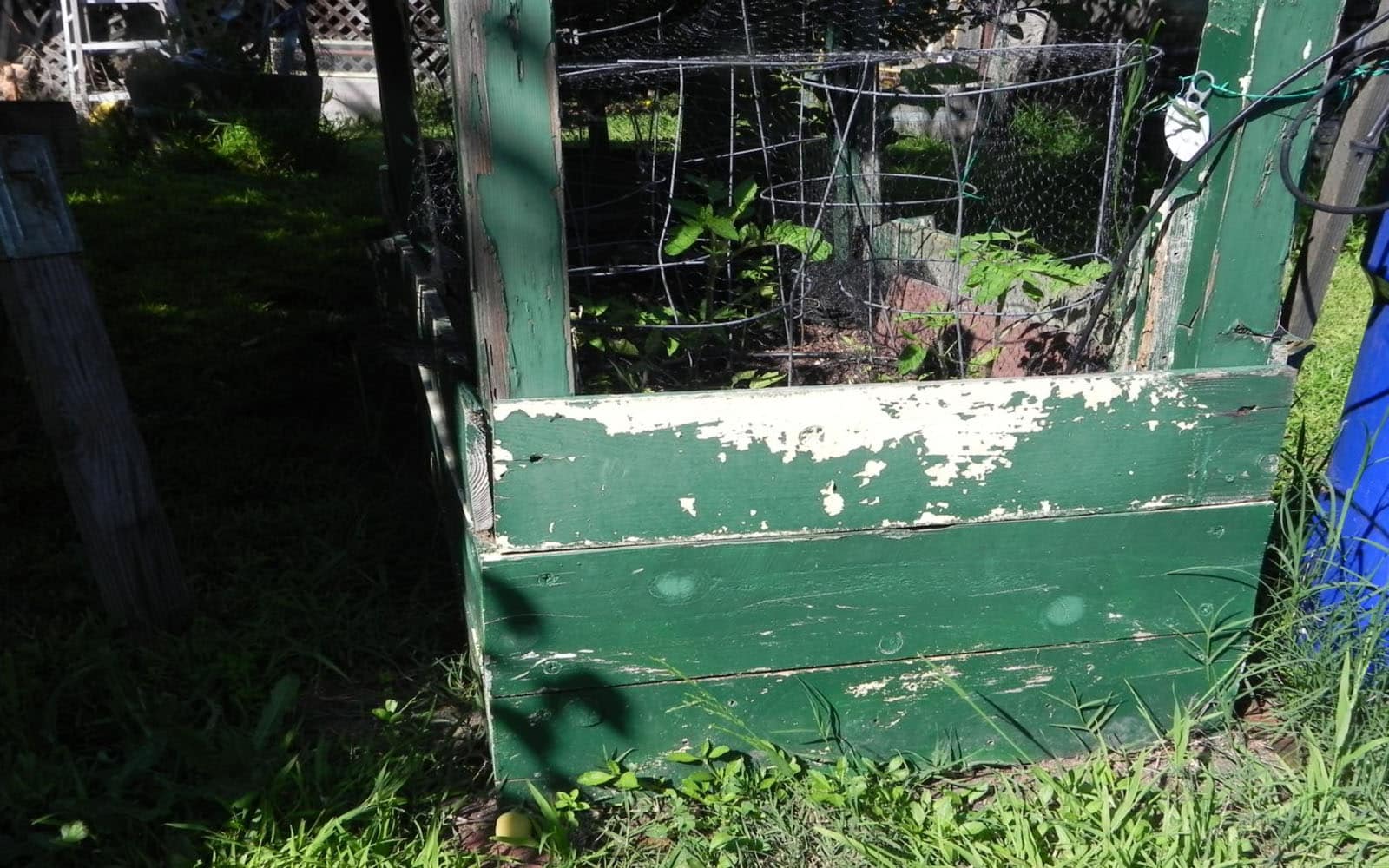
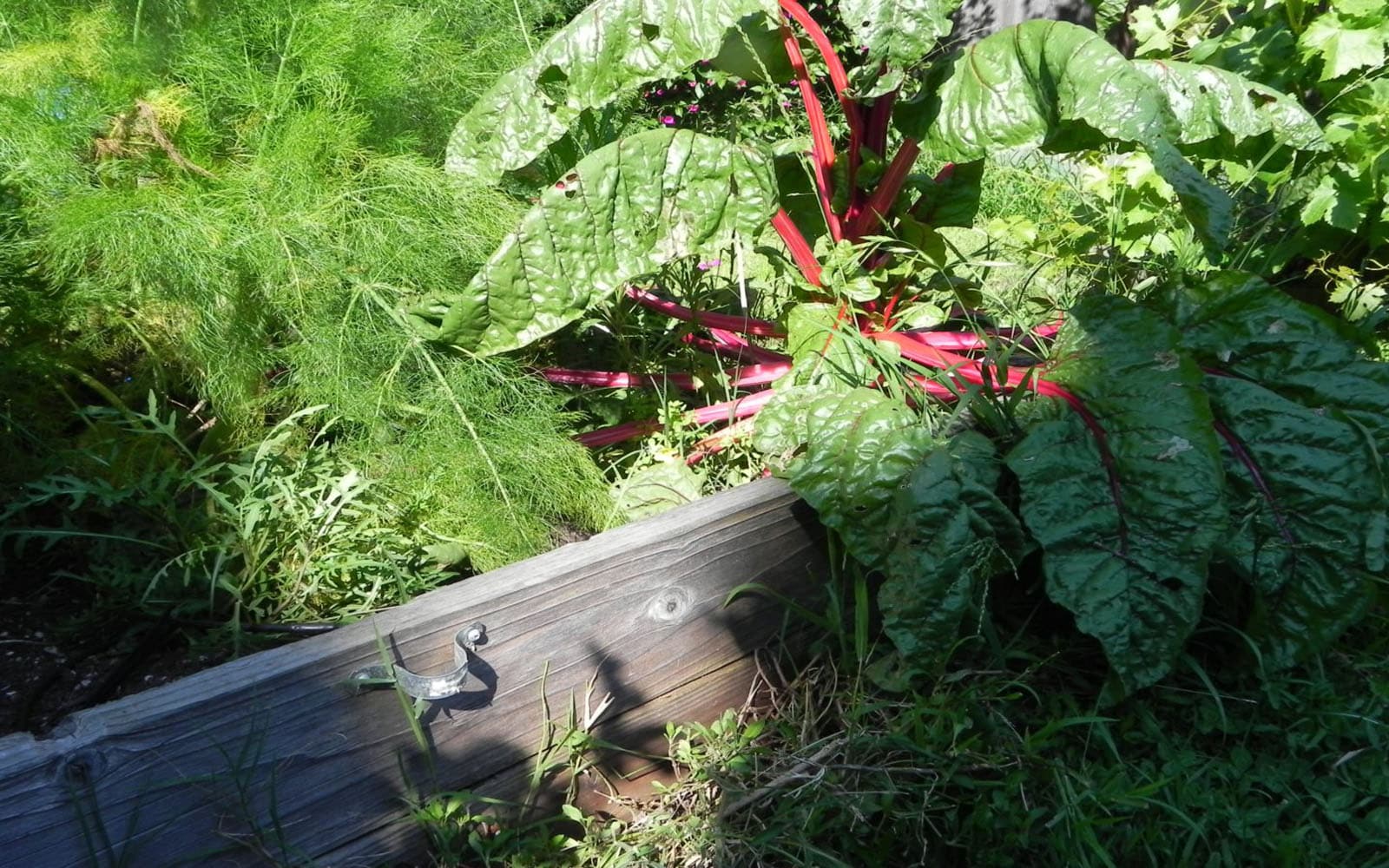
Raised beds are a solution if the ground around your house is all clay, if there are moderately high levels of lead in your soil, and as an alternative to spending years trying (and usually failing) to get rid of bermuda grass, which is immortal in this climate. If the problem is clay soil, dig up a couple of inches under the raised bed to avoid the clay acting as a drainage barrier. If the problem is bermuda grass, install weed barrier cloth inside the raised bed and be prepared to have a few shoots come up in the bed regardless—bermuda grass is unstoppable.
You can make the bed walls out of anything that’s non-toxic: redwood boards or any other kind of wood (redwood doesn’t rot), bricks, or clean concrete blocks. Avoid pressure-treated wood, which contains toxic chemicals.
Build the bed at least a foot tall. A two-foot-tall bed will keep deep-rooted plants like tomatoes out of problematic ground soil. If you install trim around your bed, you will have a place to sit while you weed, commune with your parsley and beets, and pick salad greens.
Most vegetables like full sun, so make sure you put your raised bed in a location that gets full sun year round. If the sunniest spots are paved, you’ll need containers rather than raised beds.



A raised bed can be as long as you like, but should not be more than four feet wide—if you can easily reach all sides of the bed. If the bed is up against a wall, maximum width is two feet.
Solar pumps are available for automatic raised-bed watering. One hose goes into a rain barrel and the other connects with a soaker hose or emitters. You can set the pump to go off on a schedule.
 [3]
[3]Containers
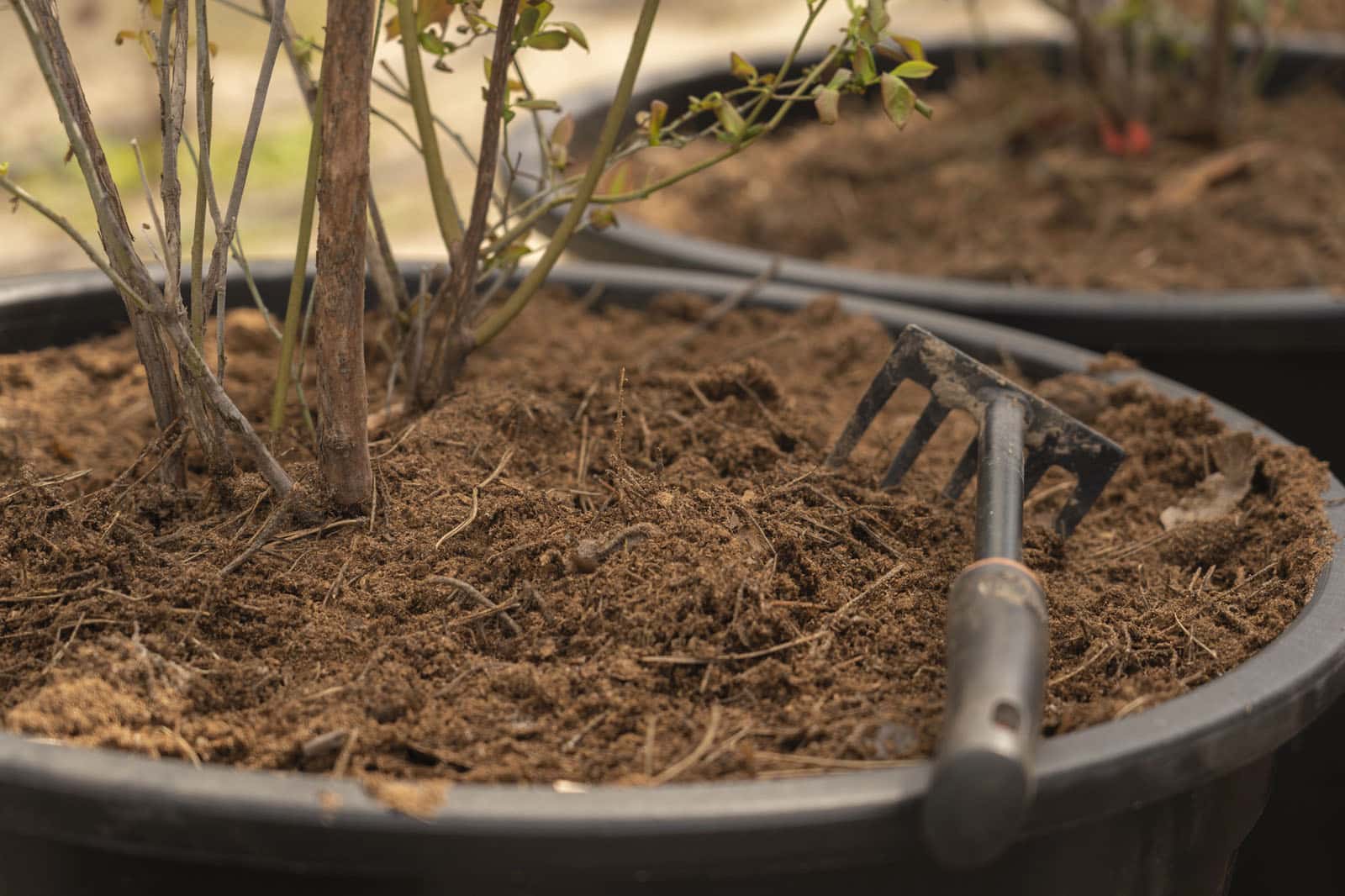
Containers may be anything non-toxic that will hold dirt—clay pots, old furniture, or livestock watering tubs. I have even seen instructions how to make a “living wall” out of a pallet. Here are a few tips:
- Small containers dry out quickly. Larger containers need less frequent watering.
- Drainage is important. Make sure your container has adequate drainage holes, and if it is sitting on a deck or patio, make sure it is at least a half-inch off the ground by setting it on bricks, ceramic tiles, or upside down pot saucers.
- If you want to grow tomatoes, your container should be 18 inches deep. Many other vegetables will do well in a 12- to 15-inch-deep container. Deeper containers contain more dirt, which can up the initial cost, but need less frequent watering, which lowers the maintenance cost.
- You may be tempted to get free dirt from a construction site. Unless you are absolutely positive that the soil has not been contaminated by a chemical spill or lead, don’t try growing edibles in it. Free dirt is usually shy on plant nutrition, and will have to be heavily amended with compost and organic fertilizer before anything will grow properly.
A trellis, which you can purchase at Encinal Nursery [5] (2057 Encinal Avenue) or Ploughshares [6] (2701 Main Street), will extend the usefulness of your raised bed or large container. Put the trellis on the west or north side of your growing space, and plant tomatoes, beans, peas or cucumbers along the trellis. Broccoli or cauliflower can go in front, and lettuce can go in front of the broccoli, ensuring all of your plants will get enough light.
Happy growing!
Margie Siegal is a long term gardener in Alameda and a supporter of Alameda Backyard Growers. Reach her via [email protected] [7]. Her writing is collected at AlamedaPost.com/Margie-Siegal [8].